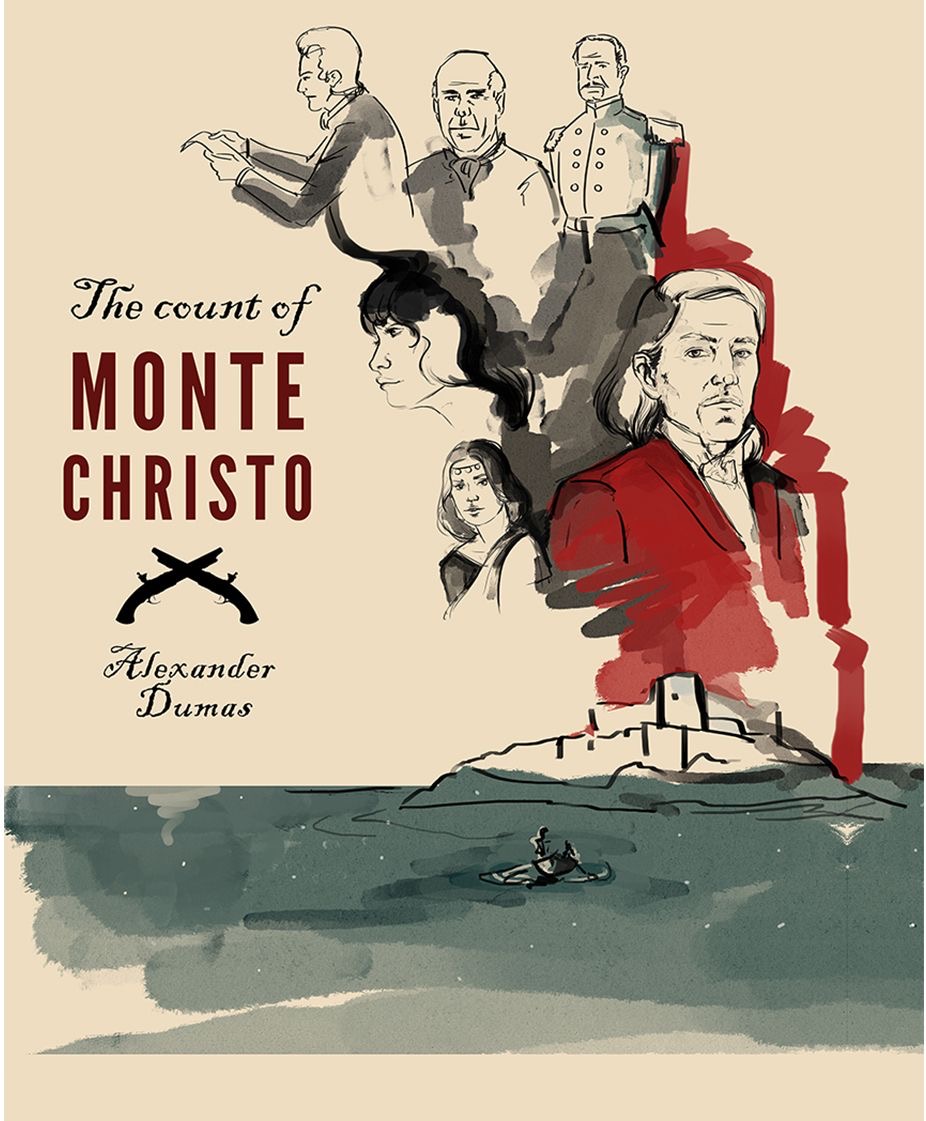
A Reader’s Reflection
Just finished reading Le Comte de Monte Cristo in the original French. What a feat. What an ordeal. What a monument to the proposition that no story cannot be improved by adding another hundred pages.
Dumas was famously paid by the line — and it shows. This was a feuilleton, a serialized novel published week by week in the Journal des débats between 1844 and 1846, which means he had a readership to hook, and a word count to justify.

I read Les Trois Mousquetaires years ago and remembered it as a rollicking adventure — verbose, yes, but propulsive. Monte Cristo is a different beast. The plot is interesting enough to earn the reader’s patience, and the central fantasy — a man discovers a hidden treasure of almost obscene proportions — speaks to something in everyone’s wishful thinking. But Dumas does make you work for it.
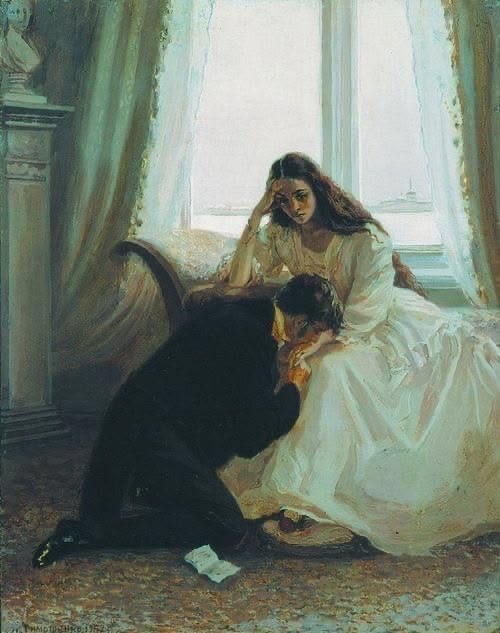
Some chapters are too sugar-coated for modern tastes. Though to be fair to Dumas, he was writing in 1844, when women were depicted differently, relationships operated under different social codes, and a certain sentimentality was simply the going rate for popular fiction. Still, some passages feel genuinely antiquated — particularly young Morrel’s drawn-out love affair with Valentine, which reads today like a long sigh in literary form.
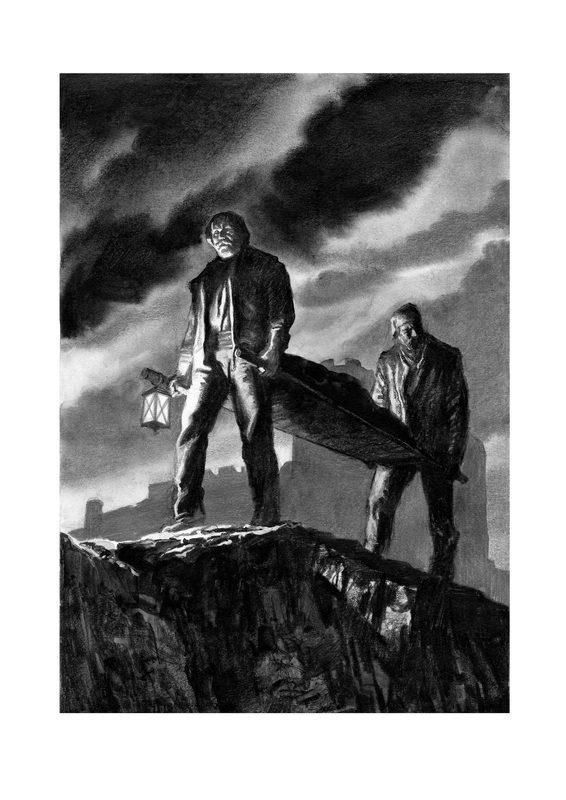
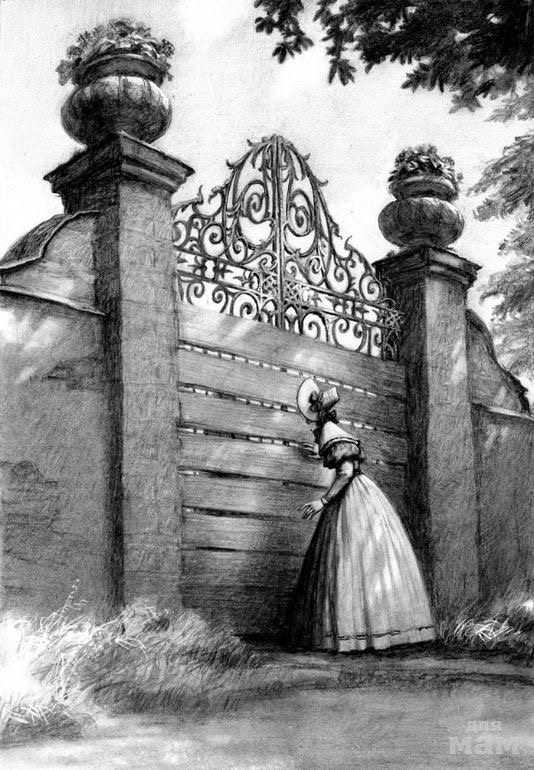
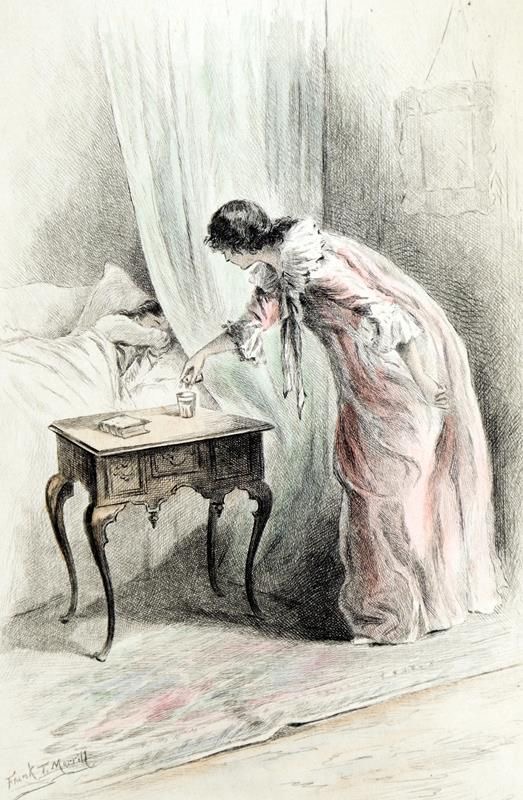
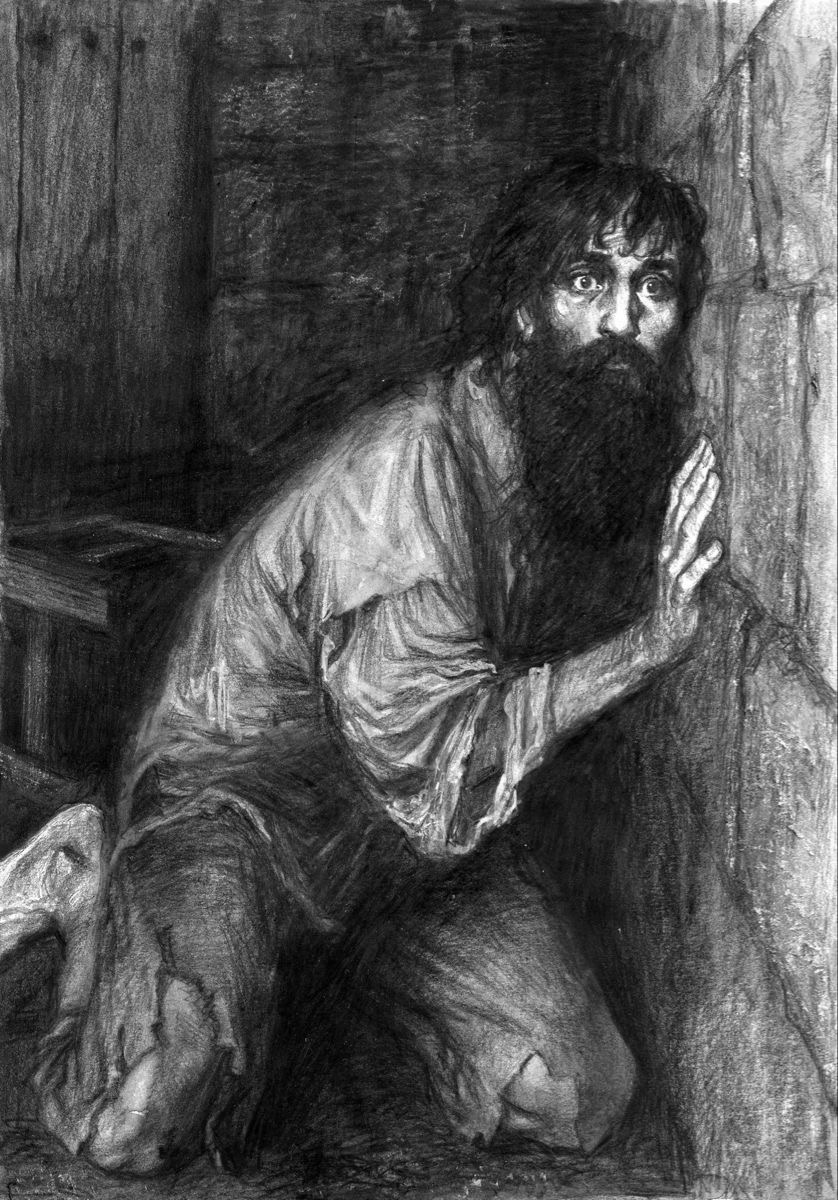
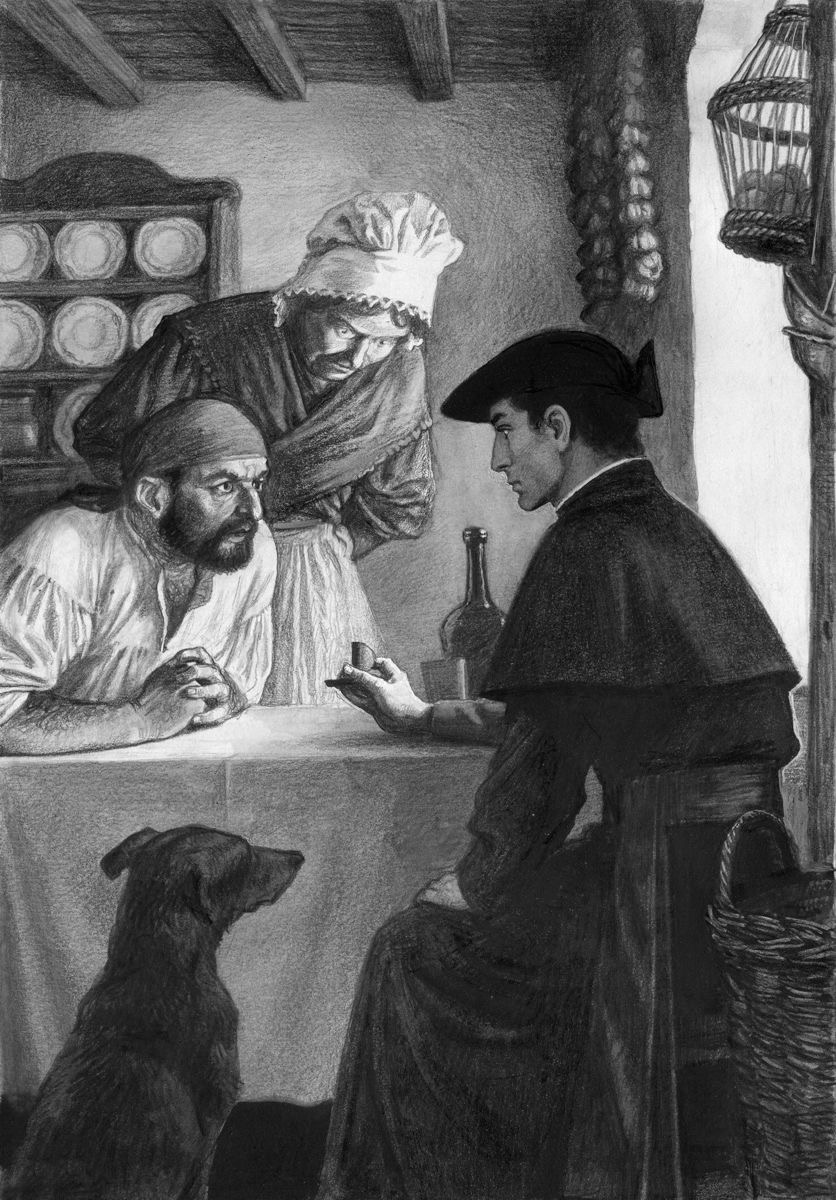
The tonal swings are very characteristic of the feuilleton format. Dumas was writing for a weekly readership that needed both laughter and dread to keep subscribing. The Roman kidnapping episode, for instance, is pure farce — funny, chaotic, genuinely enjoyable. Then you turn the page and you’re back in the suffocating darkness of the Villefort household. It creates a novel that reads almost like two different books sharing the same spine. I’m not sure that’s a flaw so much as a feature.
The Benedetto / Andrea Cavalcanti thread is one of the novel’s great pleasures. He is, essentially, a dark mirror of Dantès — also a man who reinvented himself from nothing, also operating under a false identity, but with no moral compass whatsoever. Where Dantès suffers and philosophizes, Benedetto simply enjoys himself. His courtroom scene is one of Dumas’ finest pieces of pure theatre. Unrepentant villainy, done with style.
My real curiosity, re-reading the book, was the revenge. How much did the Count actually engineer the downfall of those who betrayed him? Less than it appears, I think. His revenge is largely a matter of accelerating what was already structurally inevitable.
Danglars is a speculator who would eventually have overreached. Madame de Villefort is a poisoner whose pathology was always going to claim more victims. The Count reads the arc of each person’s character and applies a small, well-placed nudge. That’s not revenge in the grand theatrical sense — it’s more like a physicist introducing a small force into an already unstable system. Which makes him considerably more interesting, and arguably more morally defensible, than the melodrama might suggest.
The exposure of the Count de Morcerf’s actions in Greece is perhaps the clearest example: that wasn’t revenge. That was simply justice being served, with impeccable timing.
Mercedes is, regrettably, a weak figure. Passive, reactive, ultimately a disappointment to the novel’s emotional ambitions. You could argue — charitably — that Dumas made her the one person who recognizes Edmond and chooses not to act, which casts her as a kind of tragic mirror. But even that reading doesn’t fully rescue her. She remains defined entirely by the men around her, which for a novel so obsessed with self-reinvention and second chances, is a striking blind spot.
Perhaps it was intentional. Perhaps Dumas wanted to show a woman who, once left alone, marries without love and drifts without purpose — a life lived in reaction rather than action. If so, he succeeded. She doesn’t stand out, and she isn’t particularly likable. The one thing that redeems her is her love for Albert, who at least grows into a genuinely noble soul.
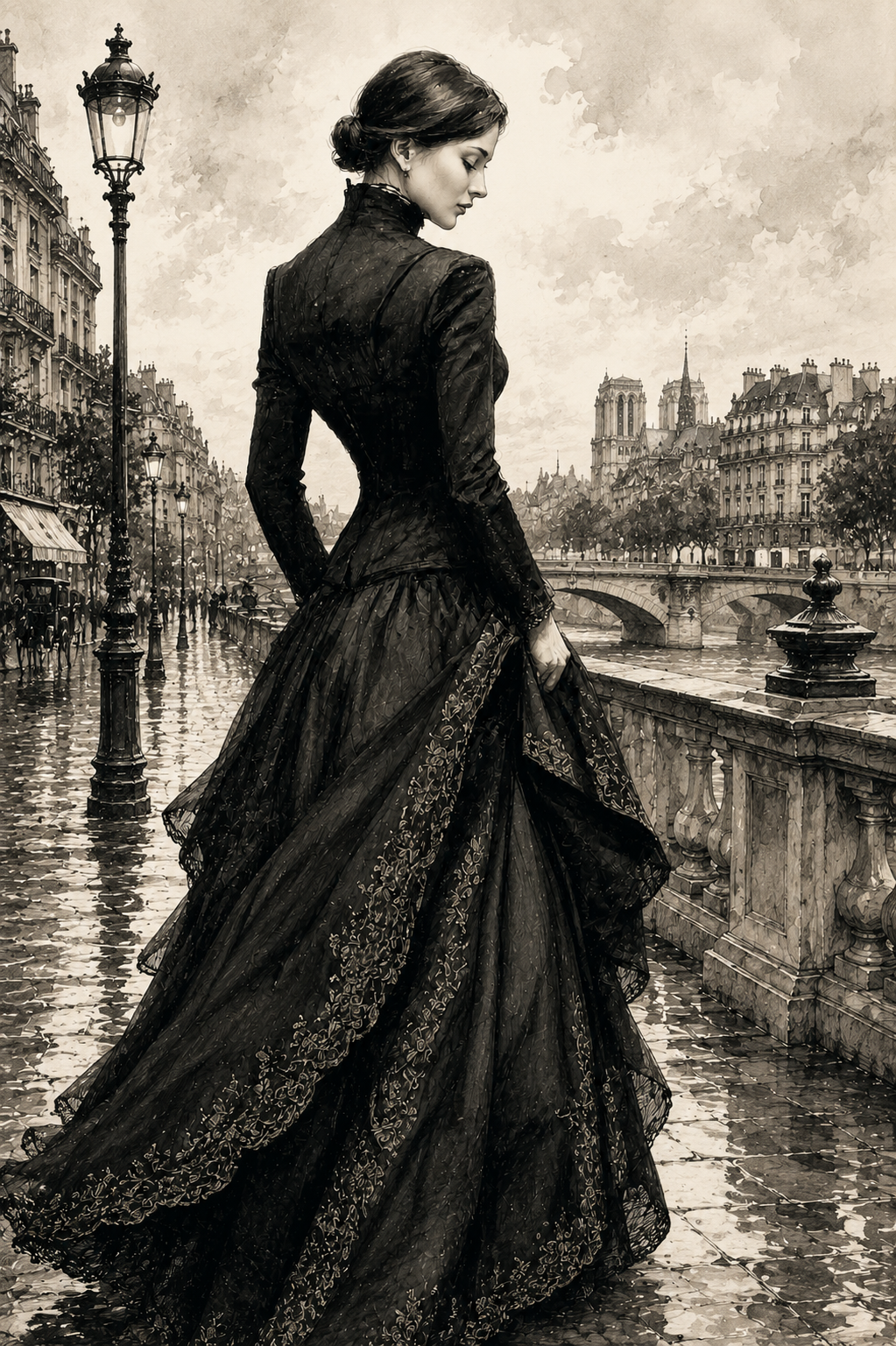
And then there is the Parisian aristocracy. Money, time, servants, entertainment — a greenhouse for vice, as Balzac was dissecting from a more sociological angle at exactly the same moment. No wonder one character is an adulterer, another a murderer, and Mercedes simply, quietly, chronically unhappy. When your only occupation is existing expensively, the character flaws have nowhere to go but inward — and eventually, dramatically, outward.
A tremendous book. Long. Very long. But tremendous.











Leave a Reply