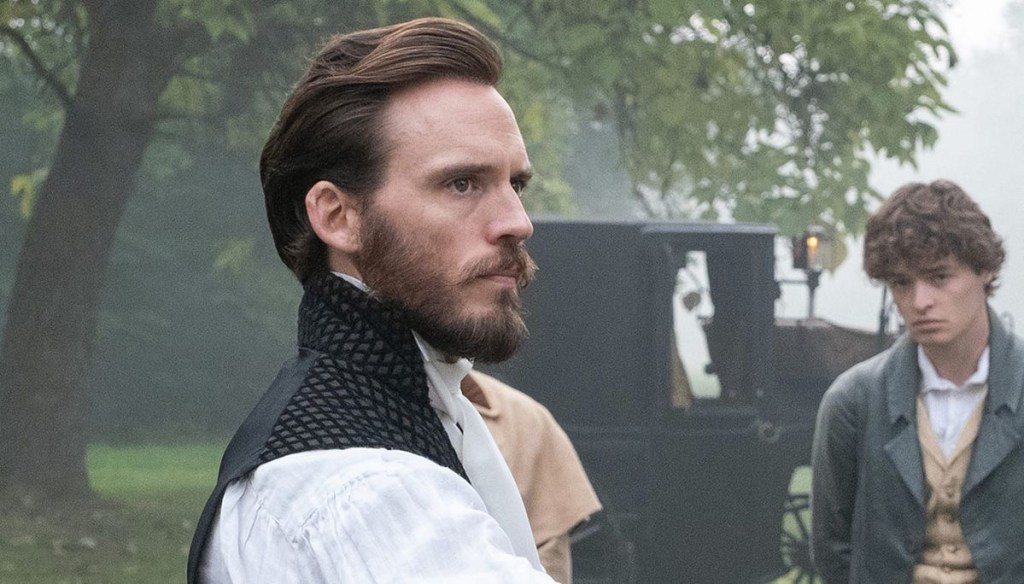
We can’t get enough of Monte Cristo. The movies, the television adaptations, the endless retellings — and understandably so, because the plot is simply irresistible.
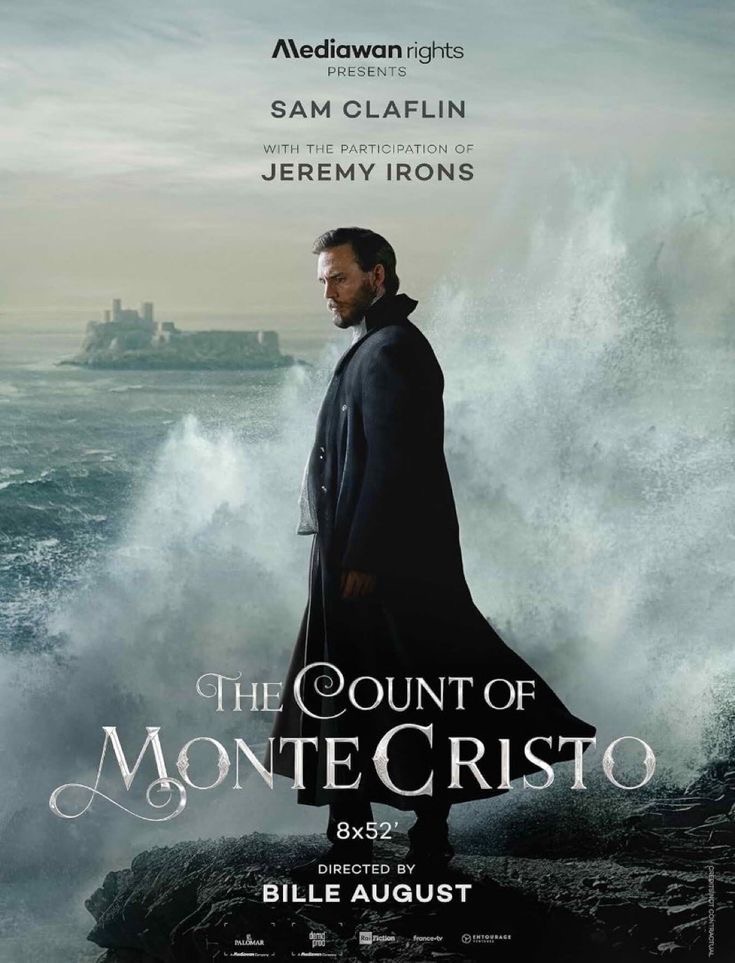
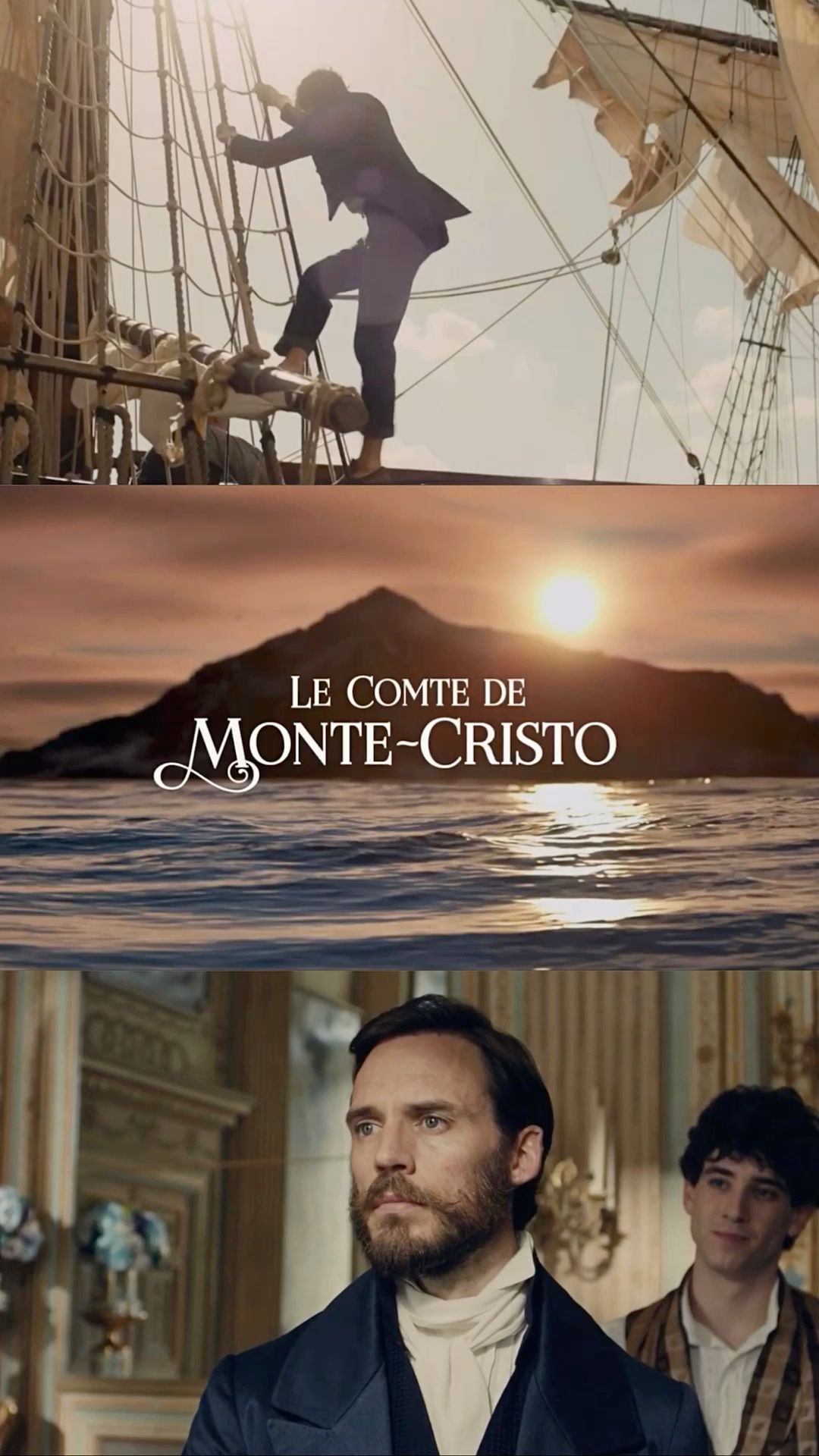
I recently watched the new PBS series with Sam Claflin, and I liked it considerably more than the previous adaptation I’d seen — I believe from 2024 — which left little impression on me, actor included. This one is different.
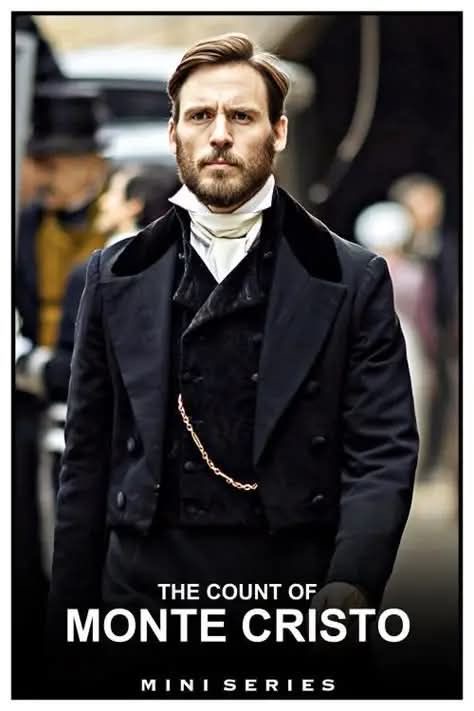
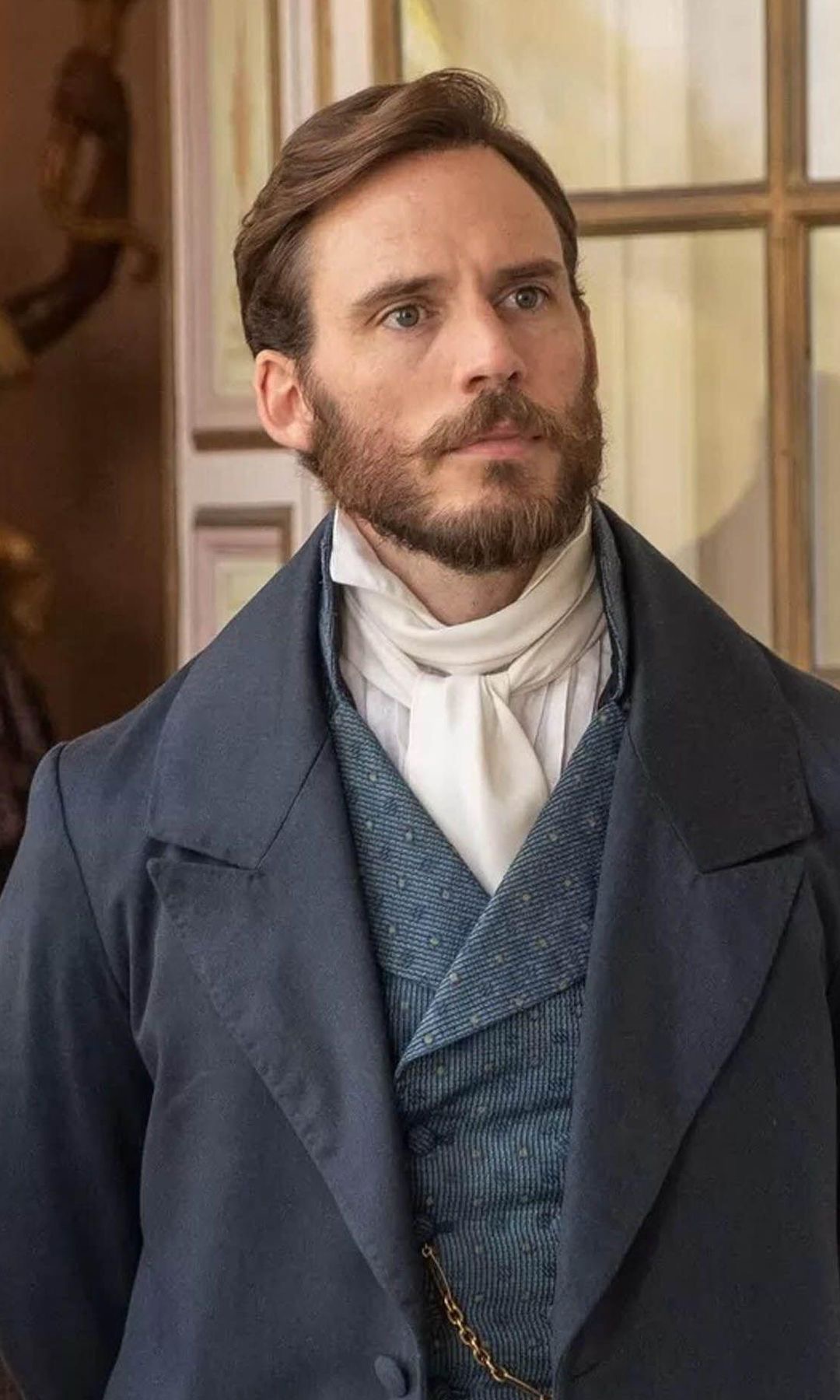
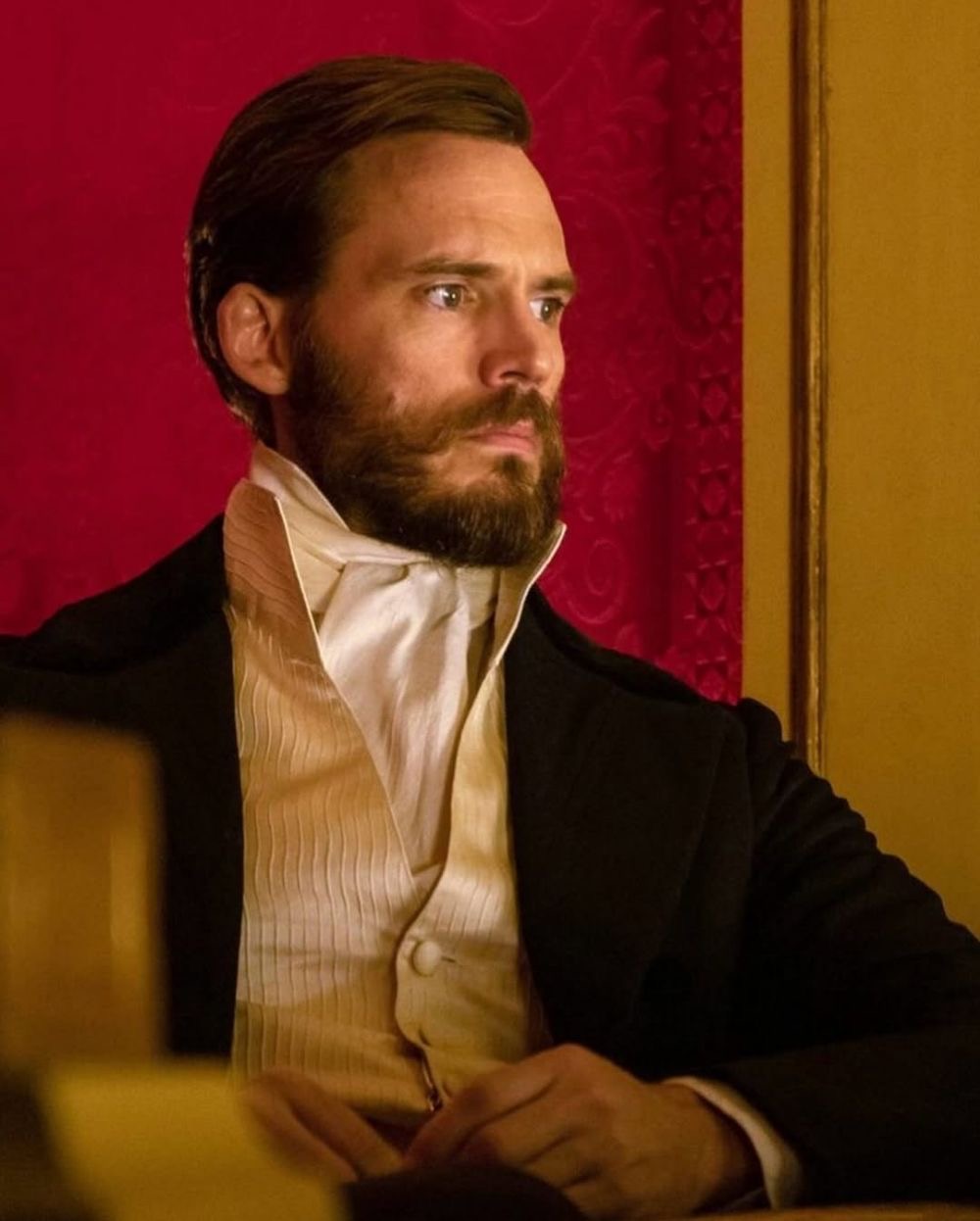
Sam Claflin was an excellent choice for Edmond Dantès. Not just because he’s handsome, but because he has depth. He can act with his eyes alone, and that matters enormously for this role — so much of what Monte Cristo feels, he cannot say aloud. The internal conflict between the man he once was and the instrument of vengeance he became is the real drama of the story, and Claflin found it. His capacity to carry moral weight through expression alone is exactly what the part demands.
Jeremy Irons as Abbé Faria deserves more than an honorable mention — it was a masterpiece of casting. Irons brings an automatic gravitas to everything he touches, and that relationship is the emotional foundation of the entire story. If Faria doesn’t convince, Dantès’ transformation loses its credibility entirely. He is not merely a plot device who reveals the location of a treasure — he is the man who gives Edmond back his mind, and his will to live. And the transformation he enables is not just about wealth: the treasure makes freedom possible, but it’s the education that makes the revenge elegant. A rich sailor could buy vengeance. Only a cultivated man could turn it into art.
The series’ greatest strength was its fidelity to the book — as close as a production of this scale could reasonably attempt. For that alone, it earns considerable credit.
Where it falls short is in what it leaves out.
The Benedetto / Andrea Cavalcanti storyline was significantly cut, which is a pity. In the book, that particular scoundrel is a great pleasure — unrepentant, theatrical, a dark mirror of Dantès himself. He deserved more screen time.
Valentine and Morrel, too, were given only a marginal role. Their story has genuine merit and emotional warmth. Being a series, there was room to tell it more fully — that opportunity was missed.
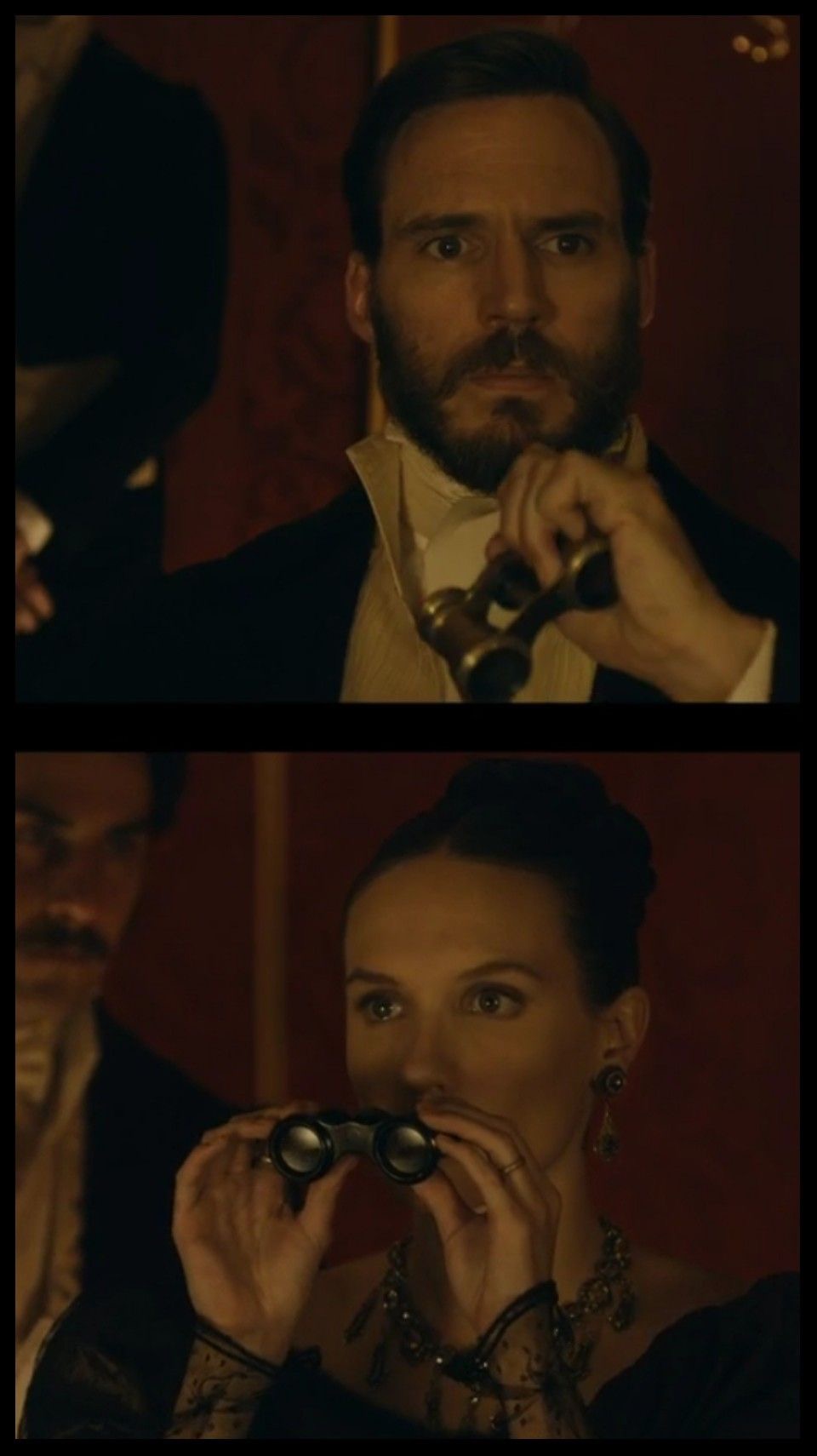
Mercedes remains, as in the book, a frustratingly weak figure. She is neither so memorably beautiful as to make a man’s ruin feel inevitable, nor so compelling during the Paris years as to explain why she still occupies such space in Edmond’s heart. The series missed what could have saved her: in the book, she speaks at length with her son Albert about Monte Cristo — a quiet, anguished conversation that reveals how much she understands and how little she can do. Bringing that to the screen would have given her character some of the interiority she so badly needs. And the moment of recognition — Edmond standing before her as someone else entirely — should have been devastating. It wasn’t given its due, and that was a significant miss.
Haydée is where the adaptation makes its most telling choices.
In the series, she is depicted as a young woman of color with a minor role, and her story is left unresolved. In the book, she is genuinely complex — she carries her own tragedy, her own dignity, and her love for Edmond is neither servile nor simple. Reducing her to a marginal figure without resolving her arc feels, at best, like a missed opportunity.
But there is an honest reason for the ambiguity, and rereading the book as an adult makes it impossible to ignore. In the novel, Monte Cristo and Haydée leave together as love quietly blooms — but he is at least twenty years her senior, and she was eleven years old when he acquired her. By any contemporary moral standard, that is a deeply troubling relationship, and Dumas never interrogates it once. He presents the Count as a man of supreme moral seriousness about justice, and yet this dimension of his life exists in an entirely different ethical register — one the nineteenth century apparently wasn’t capable of examining.
The adaptation’s choice to leave her story open is almost certainly a quiet way of stepping around a resolution that modern audiences would find not romantic, but irredeemably troubling. Better a loose thread than an ending that undoes the hero. It’s a reasonable compromise — though it does leave a significant gap where a fully realized character should have been.
There is one other moment that sits uncomfortably under modern scrutiny.
When Madame de Villefort steals poison from the Count’s house, he is alerted — and deliberately does nothing. Dumas frames it as a kind of tragic nobility, the Count stepping back to let fate take its course. But by any contemporary standard, it reads as complicity by omission. Allowing a crime you could prevent is not moral elegance; it is a choice with consequences, and the series, to its credit, shows Claflin carrying the weight of that.
Which is ultimately what makes this performance worth watching. Claflin brings the full struggle to the surface — the cost of the revenge, the slow erosion of the man inside the Count, and finally, something that looks like relief when it is over. Free at last — from his enemies, yes, but perhaps more importantly, from himself.
What continues to fascinate us about this story, I think, is not just the treasure. It is the transformation. Fourteen years of captivity, and Edmond Dantès emerges not only wealthy but entirely remade — a poor sailor who used the cruelest circumstances imaginable to become someone his enemies could not recognize, and could not defeat. The money bought freedom. The knowledge made it count.
That fantasy — of emerging from suffering as something greater — never gets old. Which is why we keep returning to it, in every adaptation, in every language, and apparently in the original French as well.











Leave a Reply