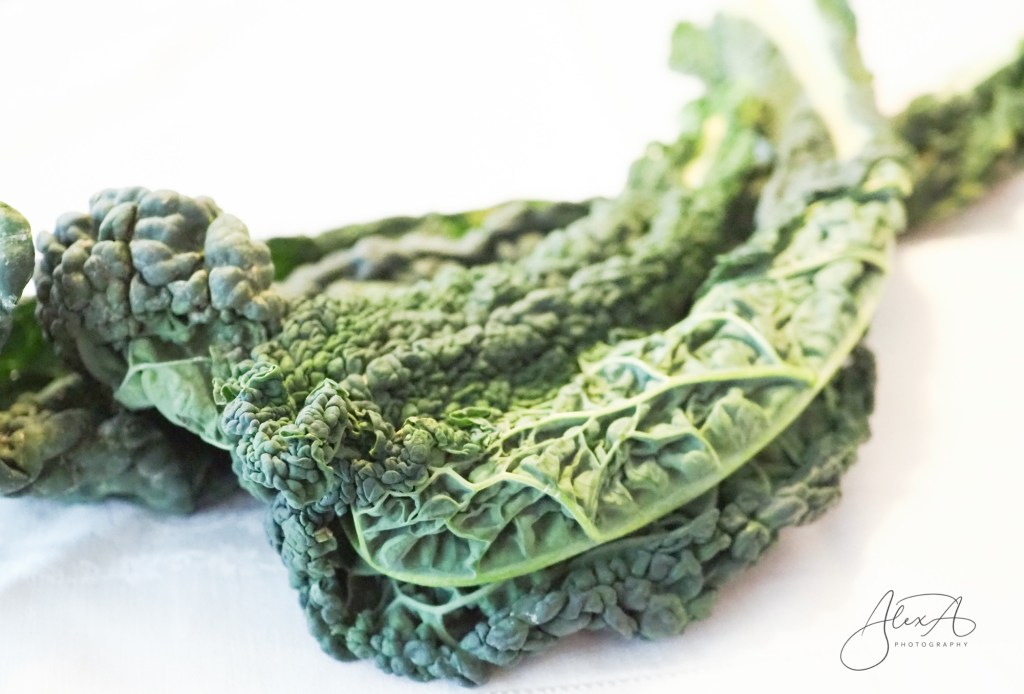
Well some of us discovered this already. We have been dieting all wrong. And the idea of “dieting” is simply incorrect.
The word “diet” comes from the Greek diaita, meaning a habit or way of life. Hence we should never say I’m on a diet. It would be best to say “I follow a way of life” that is good for me and my well-being.
Rooted in the traditions of Mediterranean communities, the Mediterranean diet brings together balanced eating, physical activity, the pleasure of sharing meals, and especially the respect for the seasons.
UNESCO in fact has recognized it as an Intangible Cultural Heritage of Humanity.
Its scientific foundations can be traced to Ancel Keys’s Seven Countries Study, launched in 1958, which found that populations following this eating pattern had a much lower risk of cardiovascular disease than those in other countries.
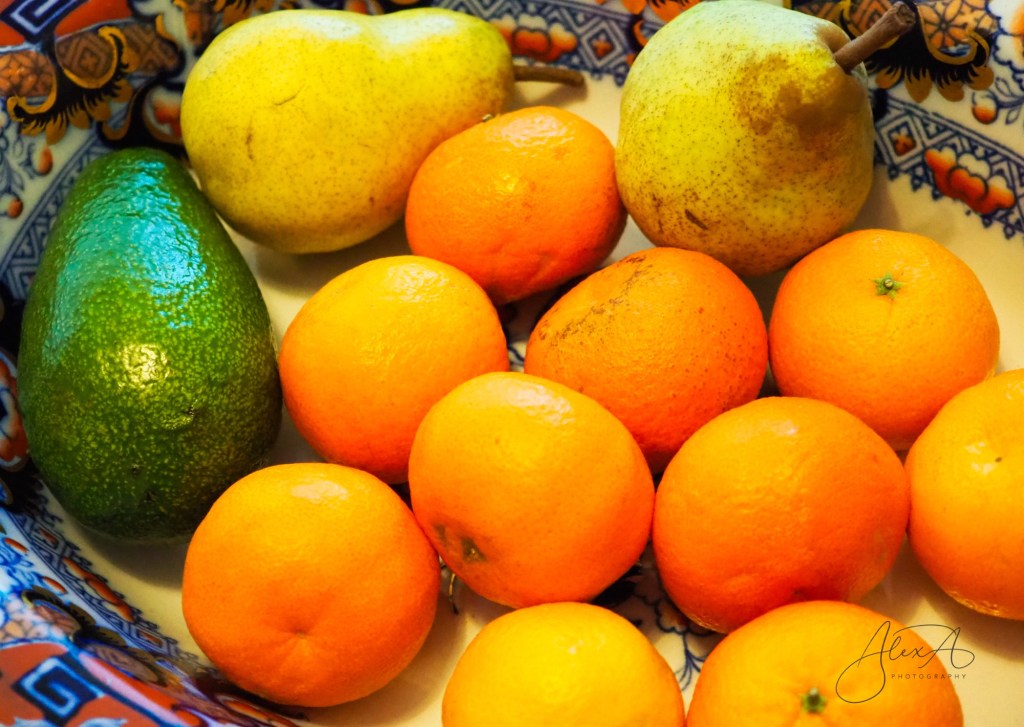
No one back then was talking about omega-3s, polyphenols, or monounsaturated fats. Yet these eating habits, born of simplicity and the availability of local resources, would come to be associated with one of the most effective dietary patterns for preventing chronic disease and promoting longevity.
The Mediterranean diet is perhaps one of the finest examples of how nature, through food, can provide an extraordinary variety of nutrients and bioactive compounds that support human health.
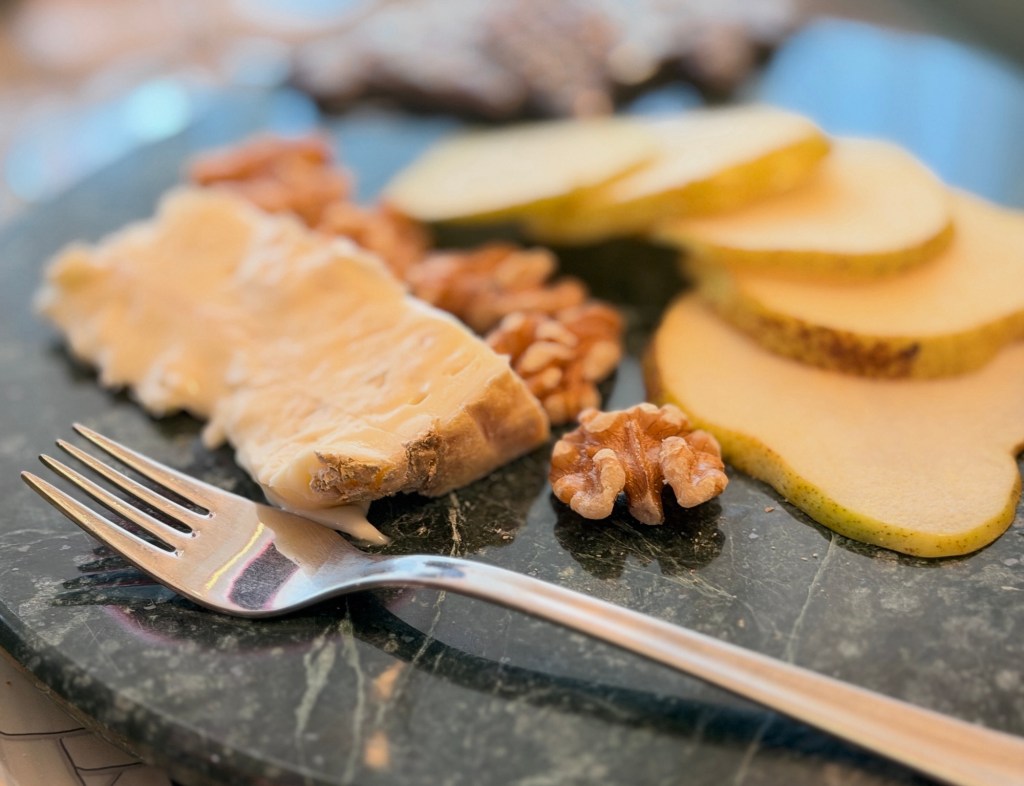
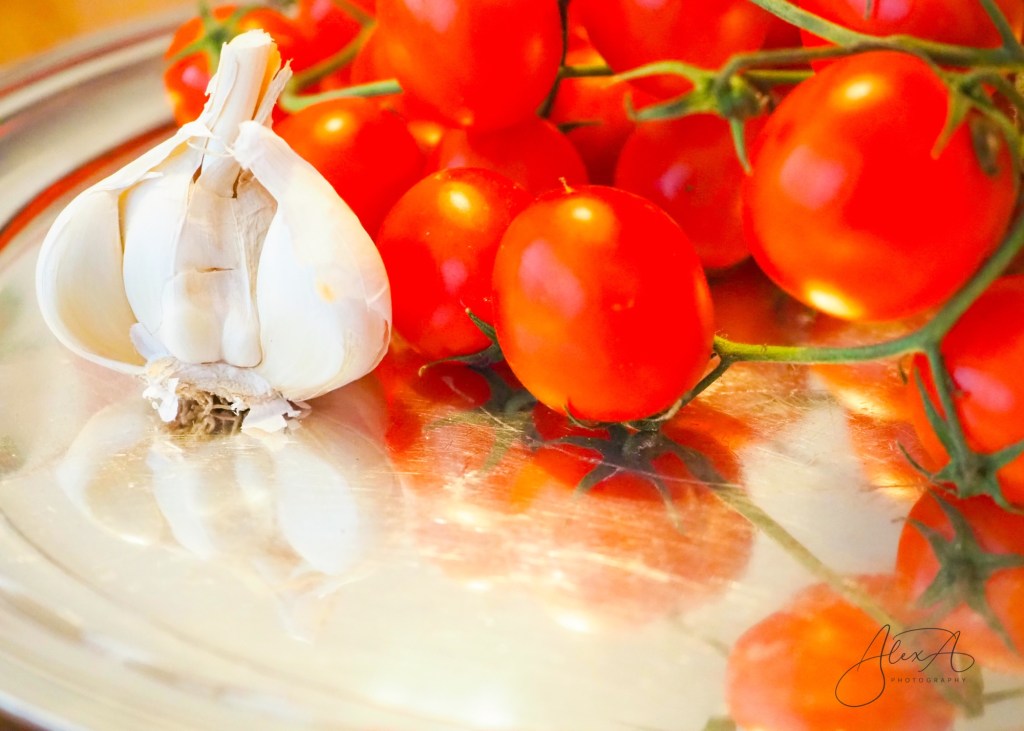
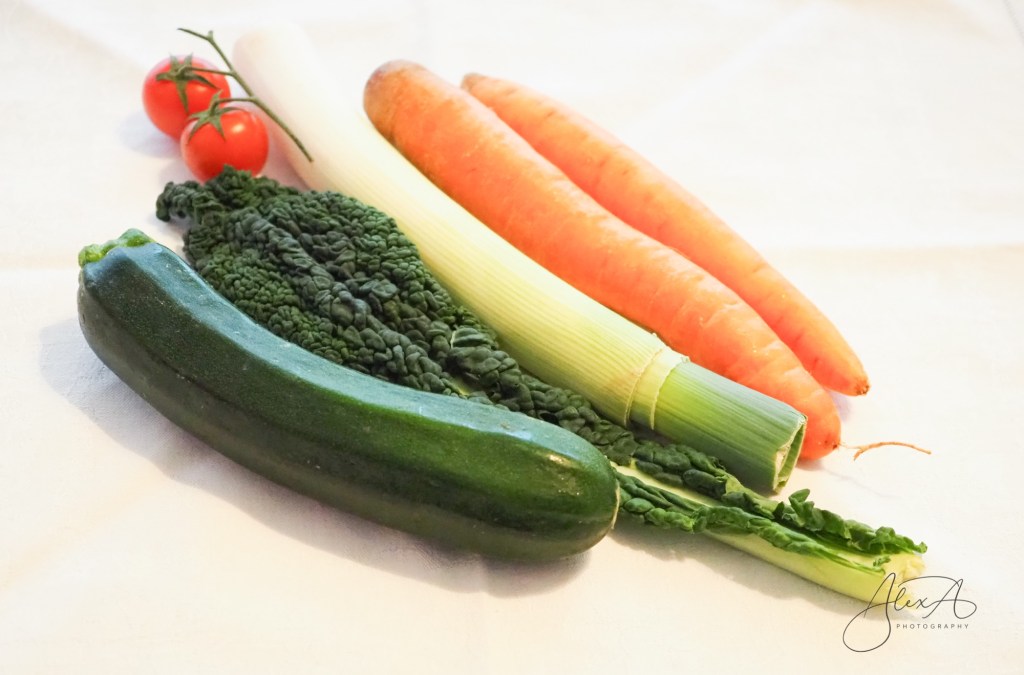
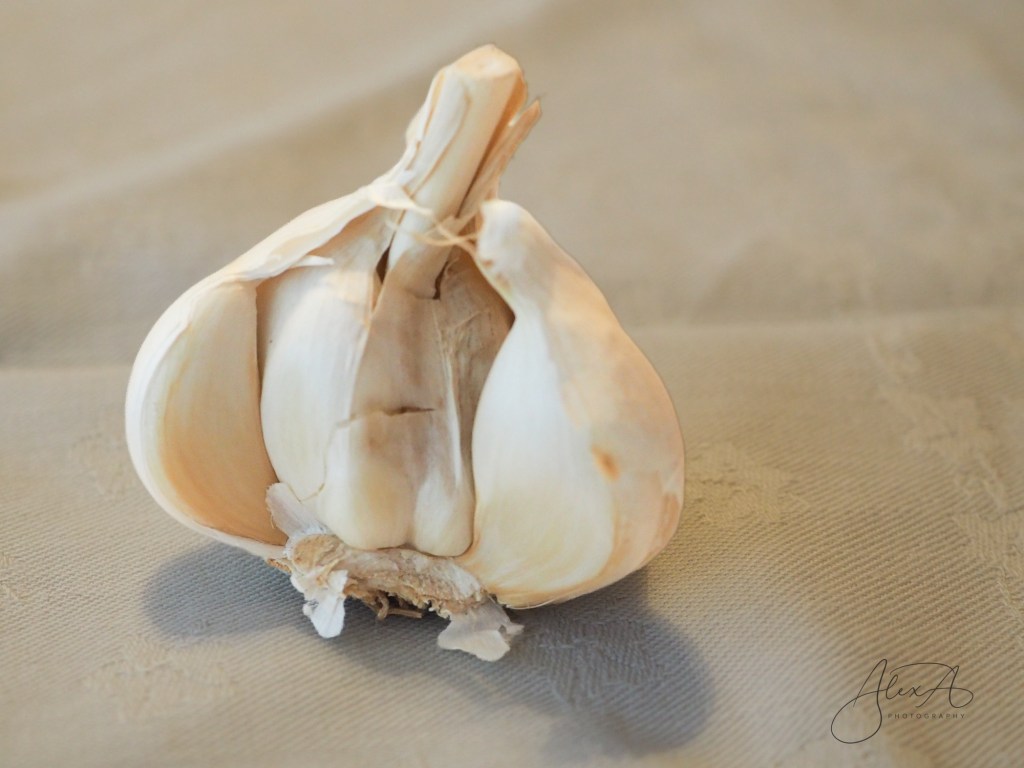
Fruit, vegetables, legumes, grains, extra virgin olive oil, fish, nuts, and herbs together provide not only energy and macronutrients, but also vitamins, minerals, fiber, polyphenols, carotenoids, and many other biologically active substances.
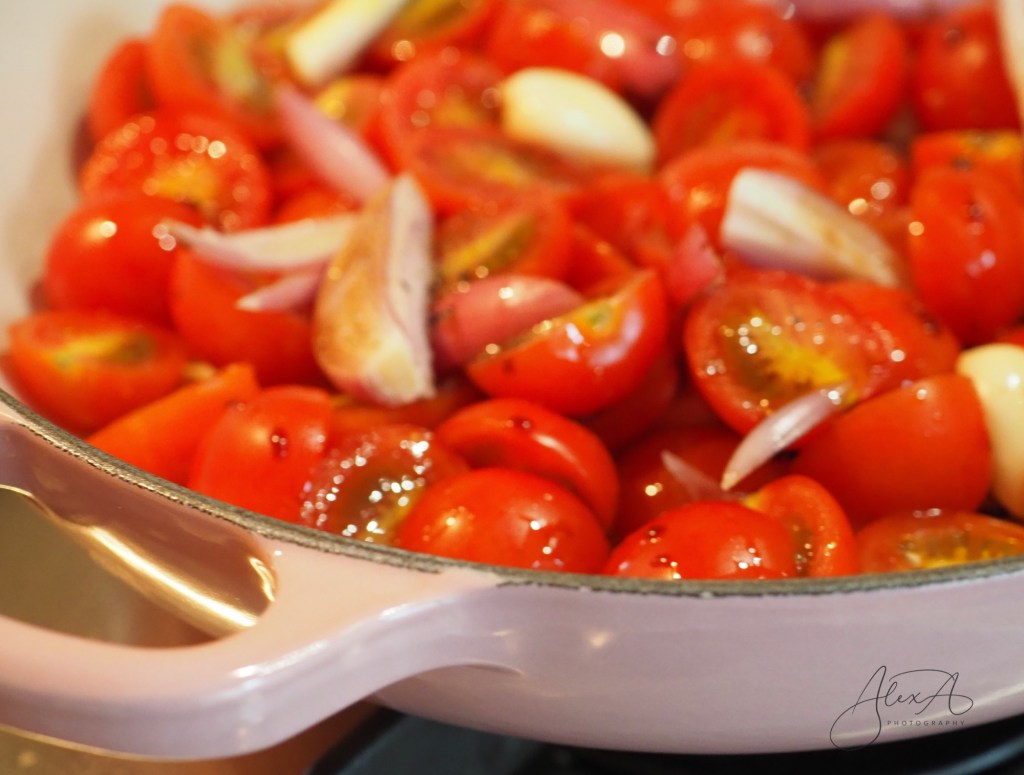
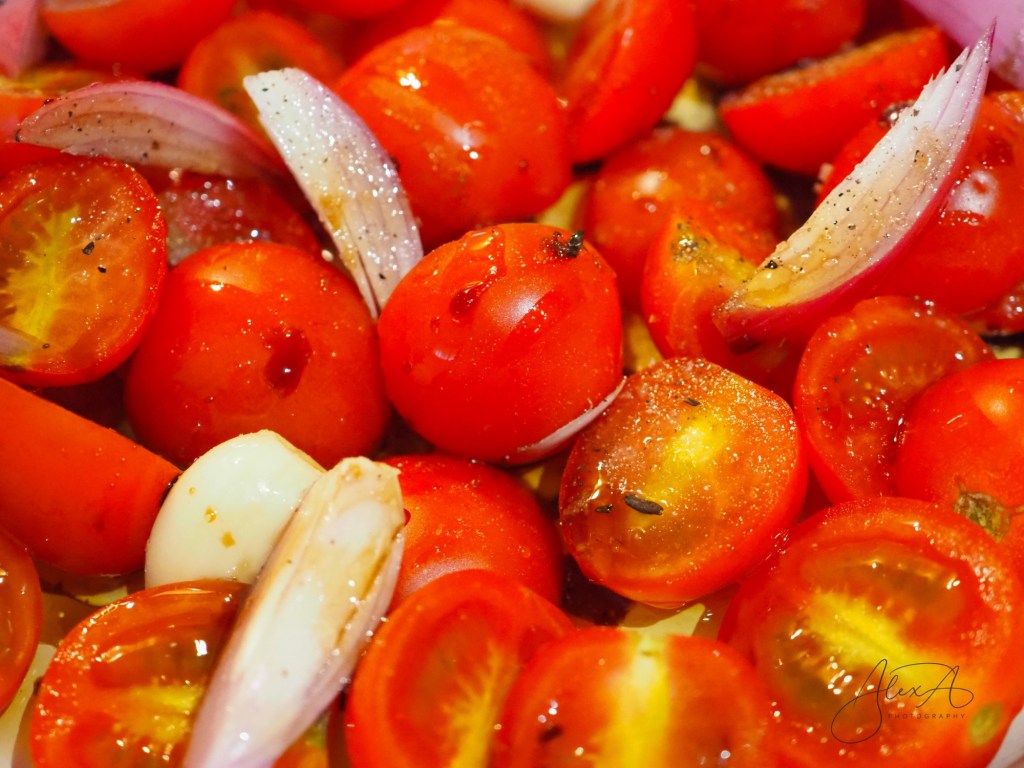
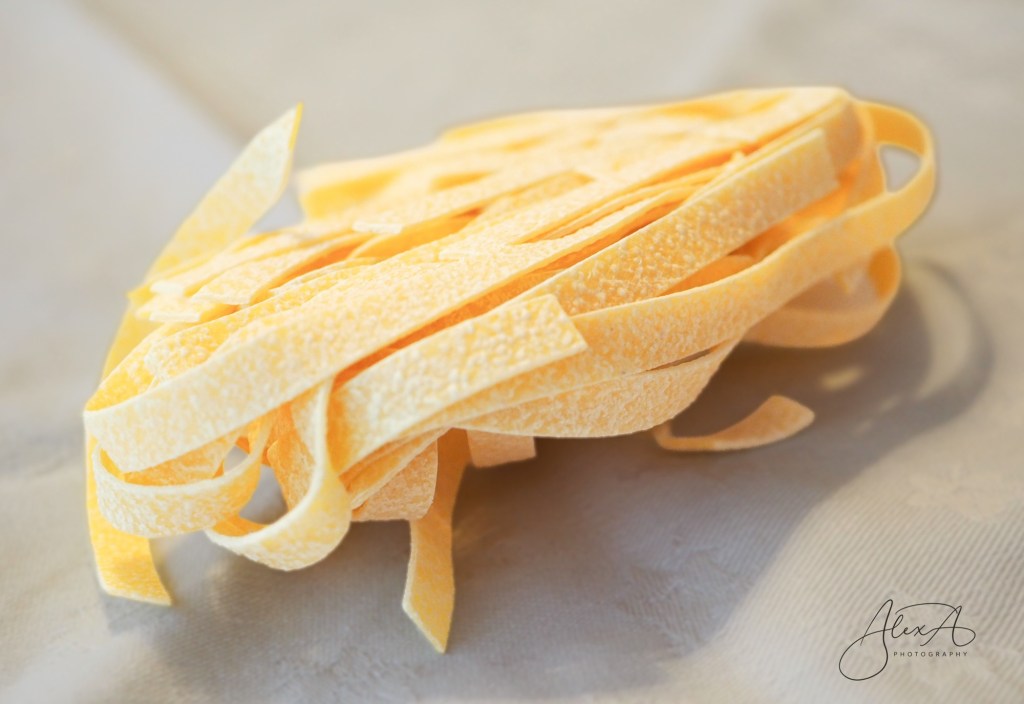
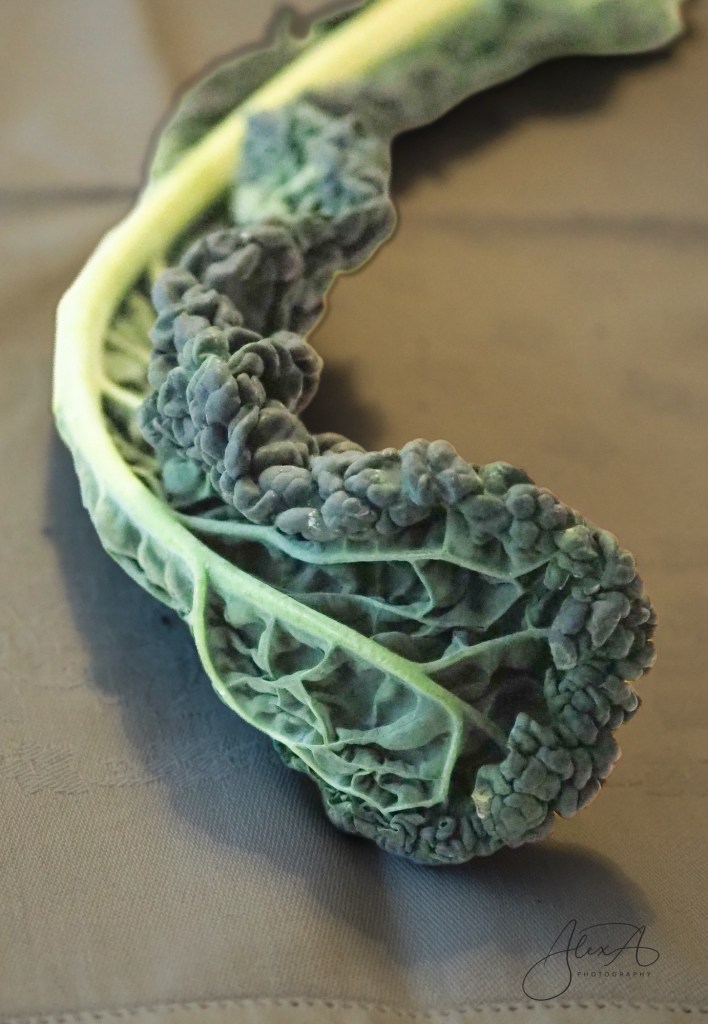
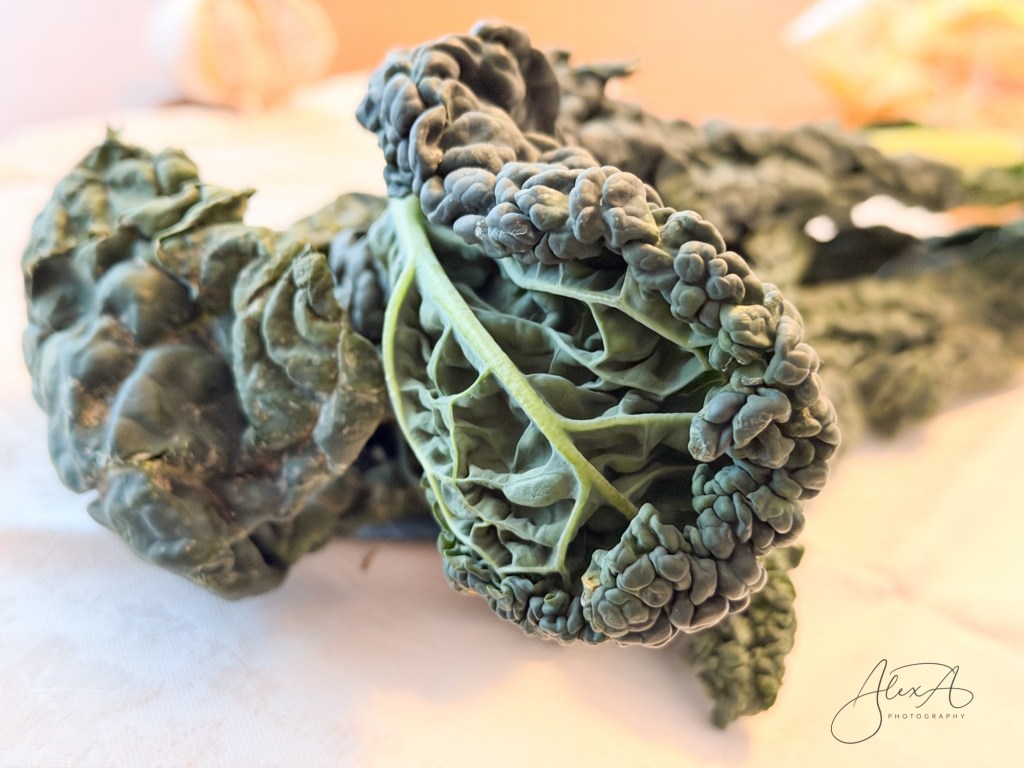
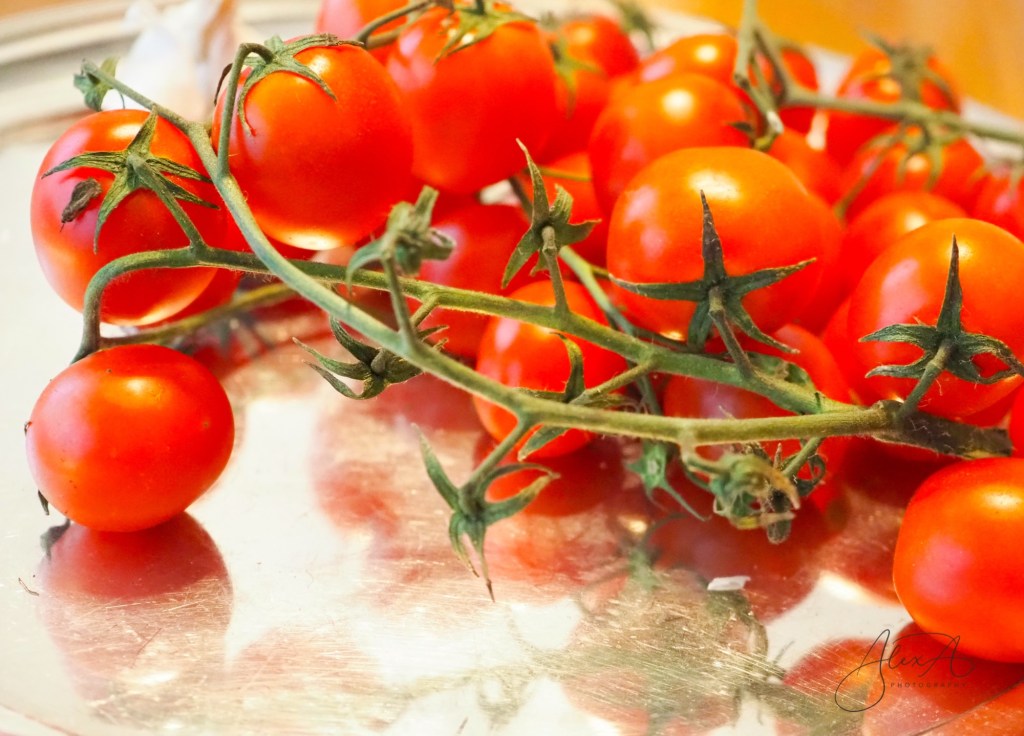
In other words, long before the supplement industry existed, Mediterranean communities had already developed a way of eating that naturally supplied most of the nutrients needed for the body to function properly.
This idea is particularly relevant to sport and exercise. Discussions about sports nutrition often focus on supplements, overlooking the fact that no supplement can compensate for an inadequate diet.
Scientific organizations working in sports nutrition continue to advocate a “food first” approach. The principle is simple: the priority should always be to build a balanced diet that meets the individual’s energy and nutritional needs. Only then should any genuine need for supplementation be assessed.

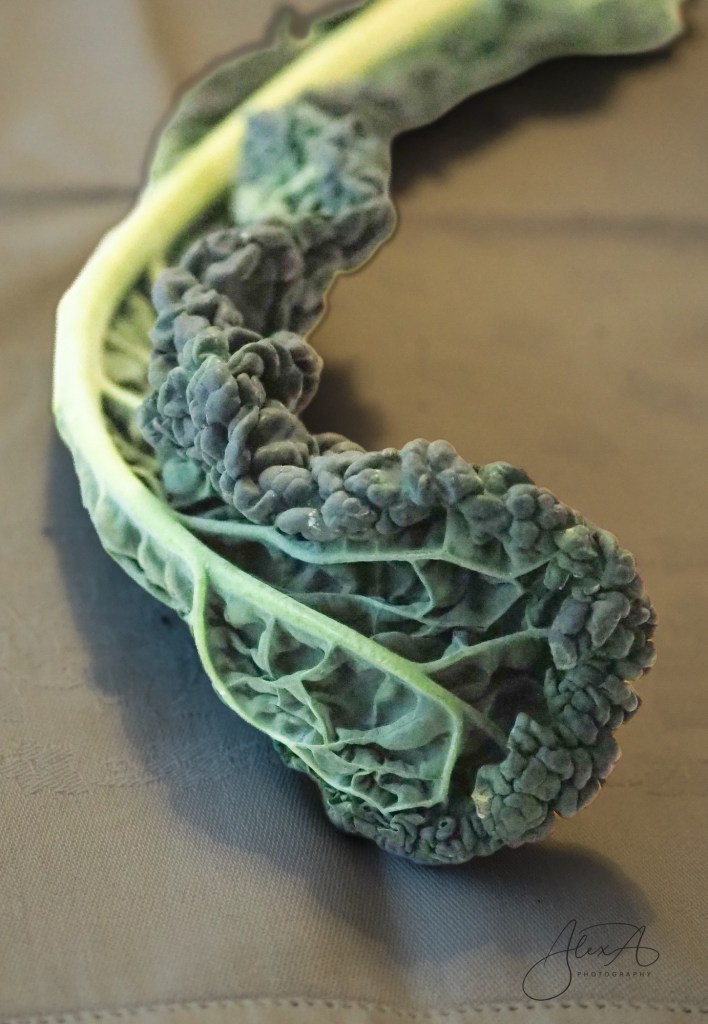
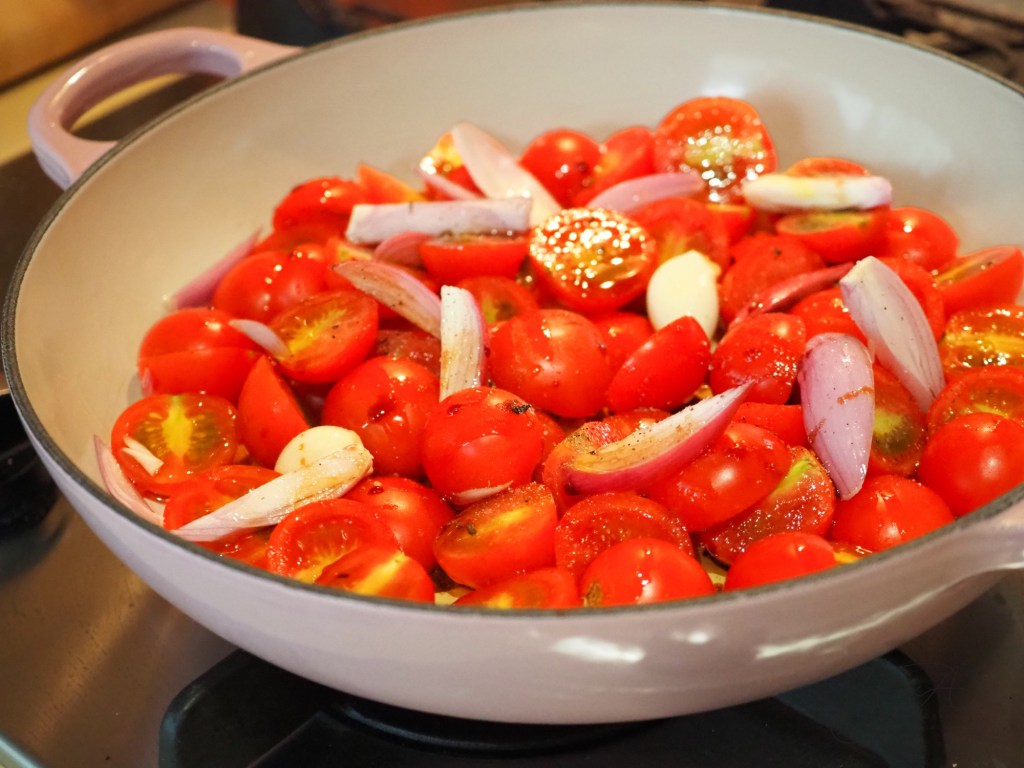
https://www.sevencountriesstudy.com/mediterranean-dietary-patterns/
And as a final thought, here come The Romans
Mens sana in corpore sano, means “a healthy mind in a healthy body.”
It comes from the Roman poet Juvenal (Satire X, around 100 AD). It’s often quoted as a slogan about fitness, but in the original it’s closer to advice about what to wish for.
Juvenal mocks people who pray to the gods for wealth, power, and long life, and says that if you must pray for something, ask for a sound mind in a sound body.
Physical health helps mental clarity and mood, and a calm mind is easier on the body.
This is one of my NY resolutions already. I renew the resolutions list every year. Do they work? At first I’m tempted to say nah..! But if I go back and check my resolutions of many years ago, then I’m stunned to see that yes, they actually did.








Leave a Reply