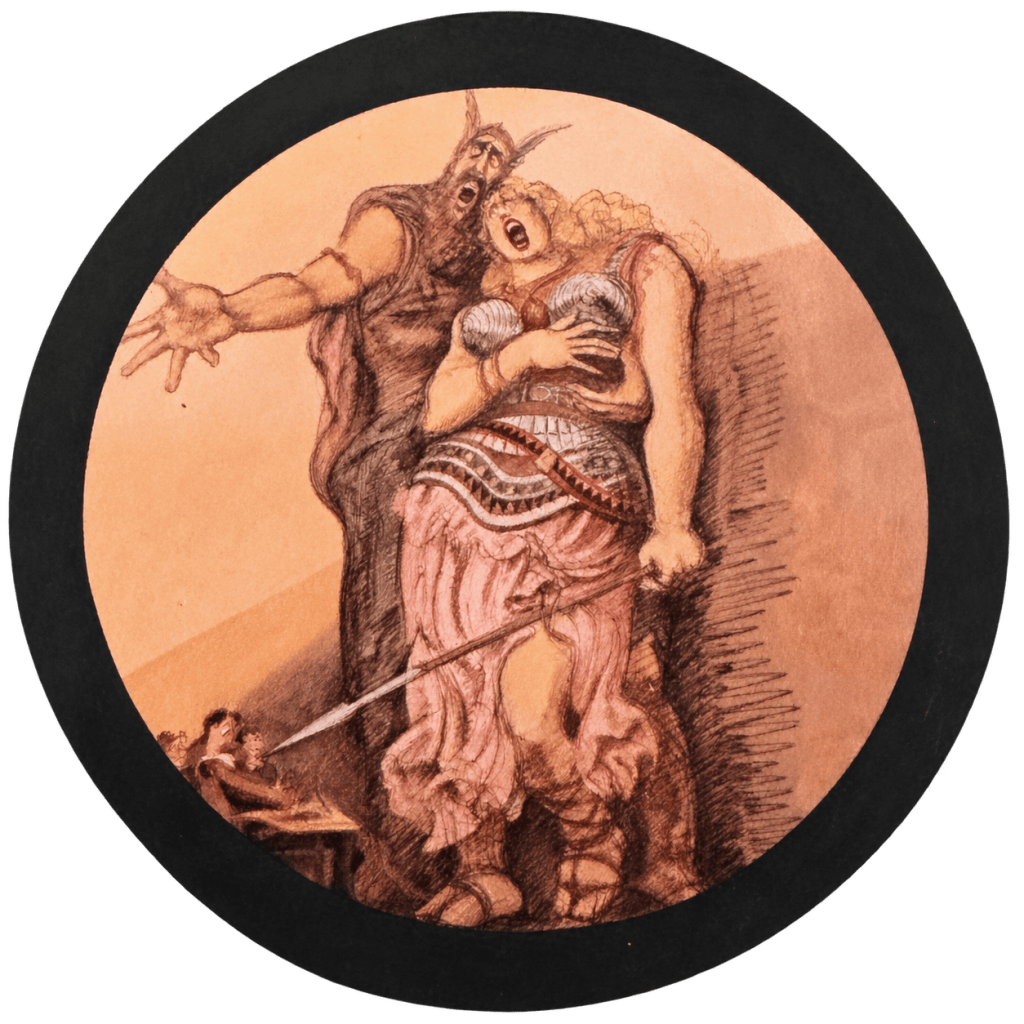
Going to the opera is always exciting. When the composer is Richard Wagner, however, one must come prepared: this will be no ordinary evening.
I had never seen Lohengrin, although I knew its majestic, beautiful music. The scale alone is extraordinary: depending on the production, roughly a hundred instrumentalists, some seventy chorus singers, and the soloists. Yet beneath this immense sound lies a surprisingly intimate tragedy.

Wagner drew on medieval legends of the Swan Knight and the Holy Grail. In the production I saw, the director transported the story into a world of Austro-Hungarian grandeur, evoking Empress Elisabeth of Austria and King Ludwig II of Bavaria, Wagner’s devoted patron, with visual echoes of Visconti’s Ludwig.
The plot sounds simple: a rescue, a marriage with one forbidden question, and a tragedy when that question is asked. But with Wagner, there is always more.
Lohengrin saves Elsa from a false accusation and offers her love and a future—on the condition that she never ask his name or where he comes from. She must entrust her life to someone whose identity she is forbidden to know.
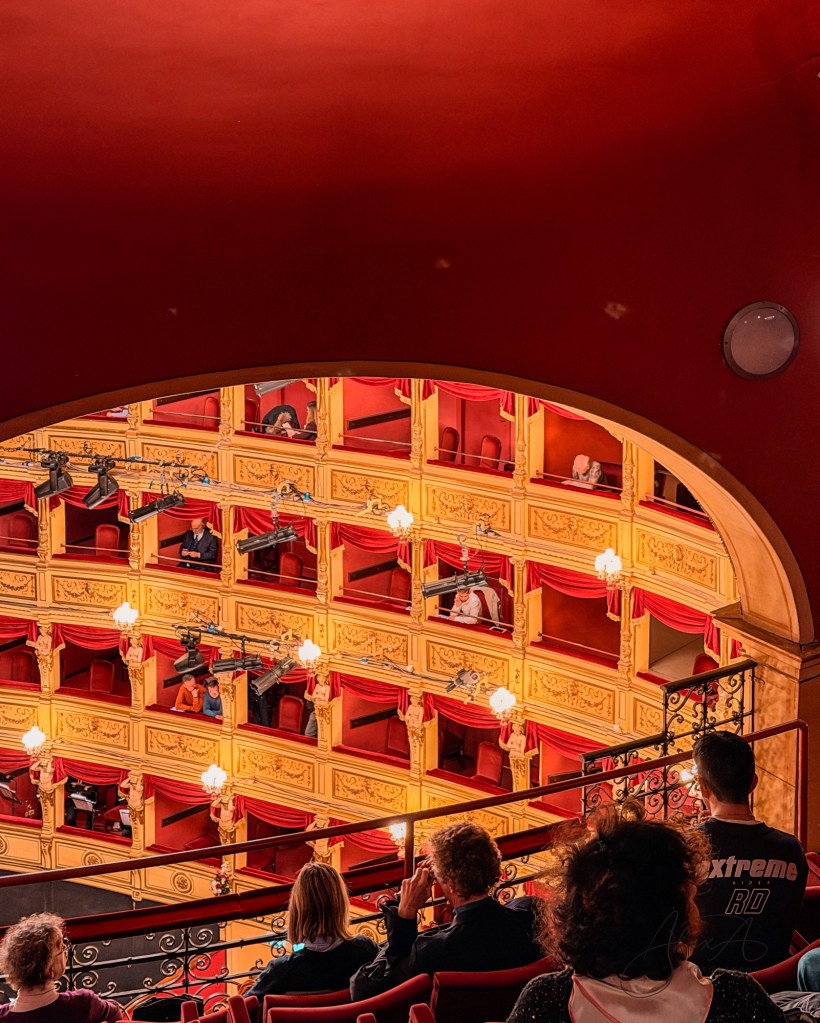
The obvious moral would be that Elsa doubts, breaks her promise, and loses him. But to me, the more compelling question is whether he demands a faith that human intimacy cannot sustain.
Can love be complete when one person demands absolute trust while refusing to be fully known?
Elsa wants more than rescue. She wants to know her husband, to share his vulnerability as he has witnessed hers. Her question breaks a promise, but it also reaches towards equality. Asking your husband his name is, after all, a fairly modest marital expectation.

Lohengrin belongs to the sacred world of the Grail, yet enters the human world of desire, marriage, fear, and political conflict. Perhaps he longs to be loved for himself, without the authority of his extraordinary origins. Yet the very conditions of his presence prevent the openness that might make such love possible.
That is the terrible paradox: Elsa needs knowledge to feel secure in love; Lohengrin needs her love to remain secure without it. Their needs collide, although their feelings are real.
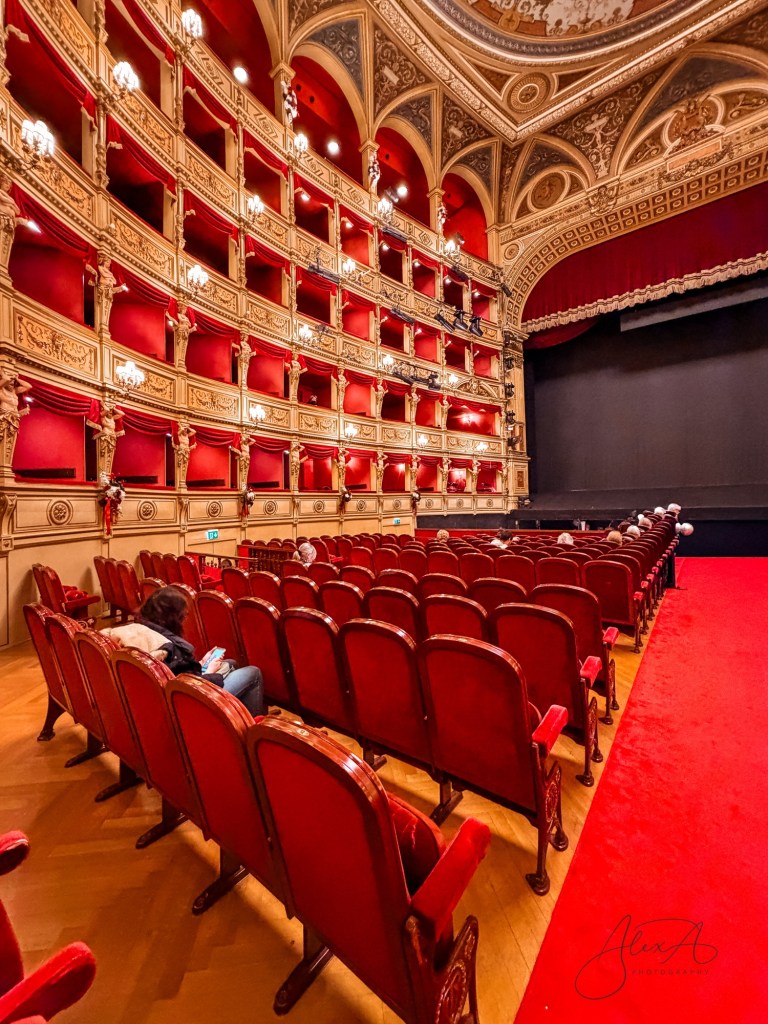
And then there is Ortrud.
She does not have to invent Elsa’s insecurity. She merely gives it a voice: Who is this man? What if he disappears as mysteriously as he arrived?
Her manipulation works because these are reasonable fears. She turns a desire for reassurance into suspicion, raising another uncomfortable question: how do we distinguish a legitimate doubt from one deliberately cultivated by someone who wants to destroy our trust?
To dismiss Elsa as weak or foolish would miss the point.
The public drama mirrors the private one. The people of Brabant also long for a saviour. A stranger appears, demonstrates extraordinary power, and becomes the focus of collective hope, while the king’s military ambitions frame the unfolding love story.
Why are people so willing to place their future in the hands of an exceptional figure whose identity they do not understand?
The crowd wants someone extraordinary to believe in. Elsa wants someone she can share a life with. The crowd needs a symbol. Elsa needs a person.
He knows her history, her vulnerability, her predicament; she cannot even ask about his. How can intimacy become reciprocal under those conditions? Can he accept being loved by a human being who needs to question, understand, and be reassured?
Elsa’s question expresses love as well as fear: I want to know you because I want to belong with you. She wants to become more than the grateful woman he rescued. She wants to become his equal.
The prelude opens that luminous, almost weightless world of the Grail. Then the drama plunges us into accusation, ambition, jealousy, and fear.
We hear the possibility of transcendence before watching human beings struggle to live with it.
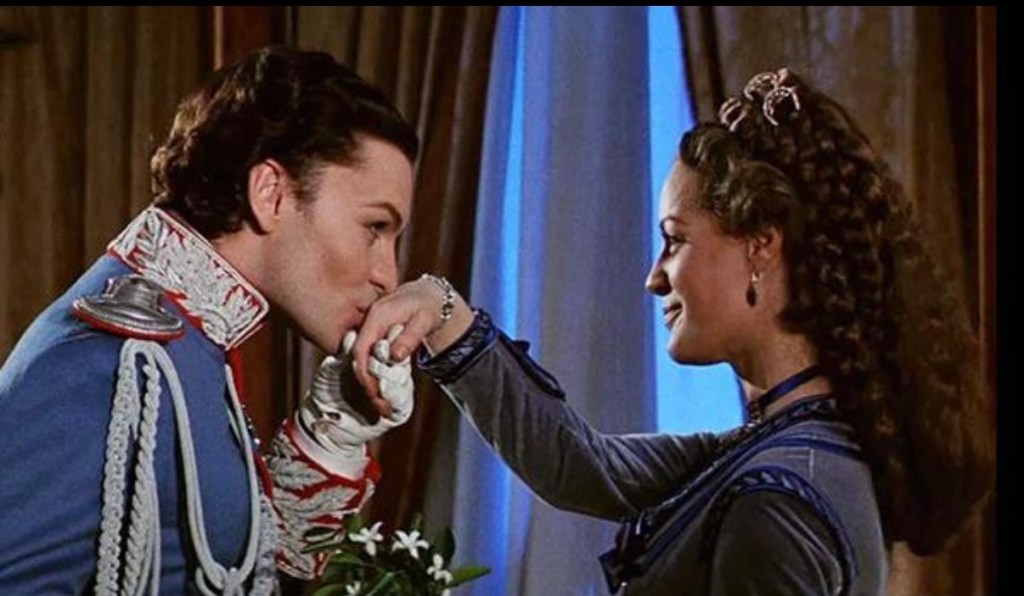
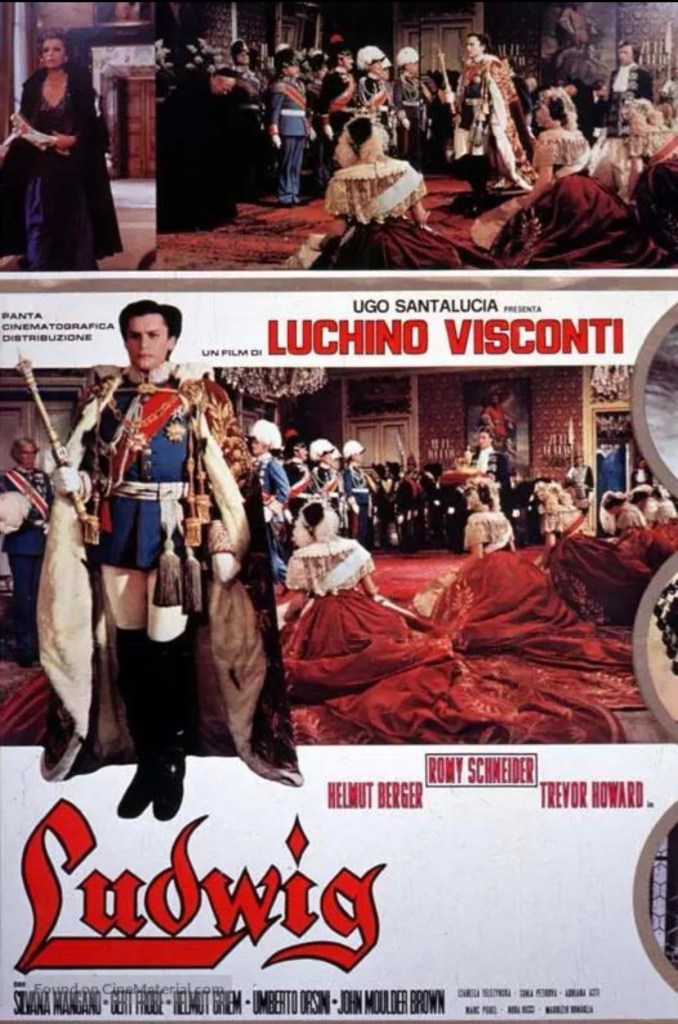
Ludwig (1973), directed by Luchino Visconti, follows Ludwig II of Bavaria and his fascination with Wagner. It stars Helmut Berger as Ludwig, Romy Schneider as Empress Elisabeth (“Sissi”), and Trevor Howard as Wagner.








Leave a Reply