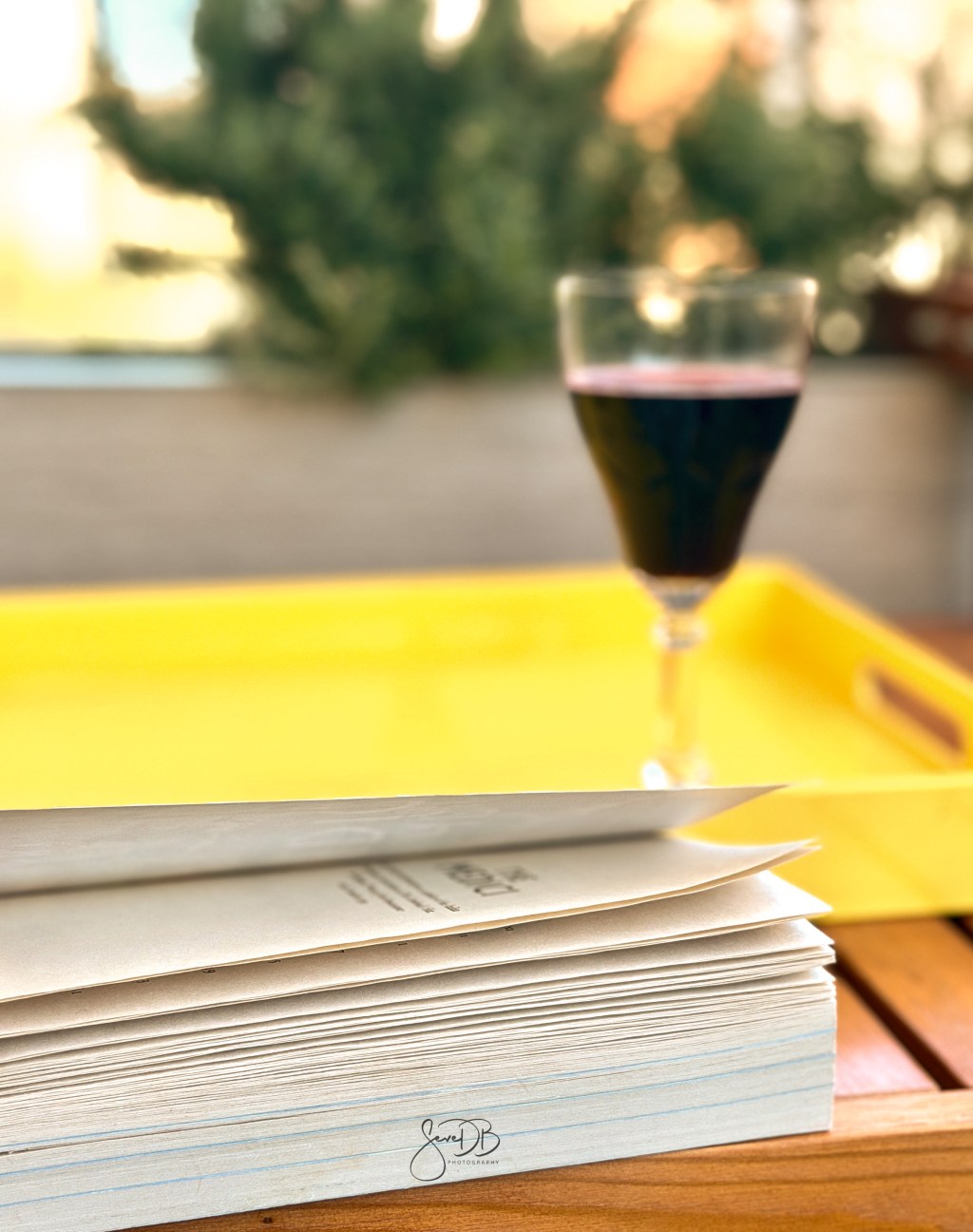
by Isabel Allende
I came to Isabel Allende late — not for any particular reason, simply because her books hadn’t crossed my path before. I started with My Name Is Emilia Del Valle and enjoyed it enough to go looking for everything else she’d written.
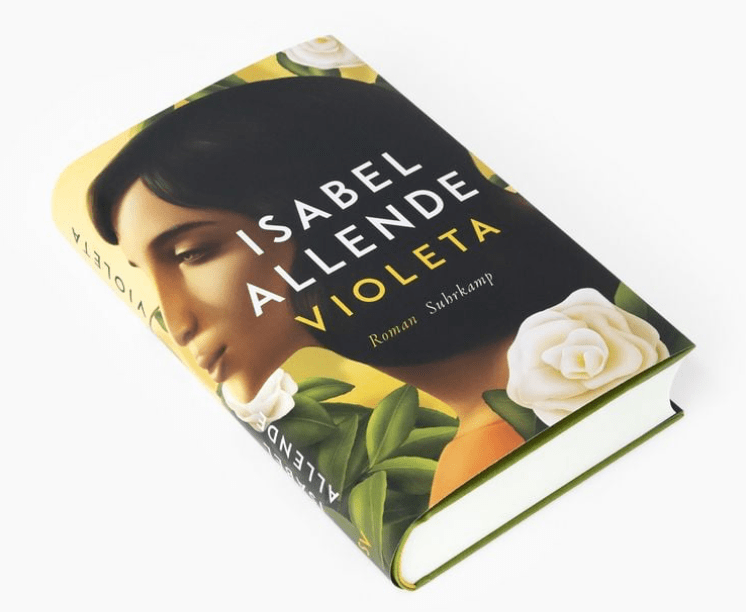
What strikes me most is her gift for portraying women who leave their countries in search of a better life in the United States — the struggles, the dangers, the sheer tenacity required. These are not abstract stories. Read against today’s political climate, they carry an uncomfortable weight that’s hard to dismiss.
Allende’s narrative is clean and propulsive enough to keep you turning pages, and the opening sections earn their momentum — tragedy, character development, genuine engagement. But somewhere in the middle the engine quietly stalls. What began as a story told with feeling gradually flattens into reportage: events relayed rather than lived, information delivered rather than felt.
The epistolary conceit — Violeta narrating her life as a letter to her nephew Camilo — works well enough at first, but in the second half Allende leans on it too heavily. Camilo gets name-checked with increasing frequency, almost as a nervous tic, as if the author needed to keep reminding herself (and us) of the framing device. It becomes mildly irritating.
The final pages drag. The reader can see the destination well before arrival, and Allende doesn’t trust the story to end — she keeps writing past the natural close.
Not a disappointment, but not her best work either.
What complicates it further: having read My Name Is Emilia Del Valle — where Emilia meets Violeta and Camilo is apparently the father — the two books don’t quite line up. Camilo in that novel is already near death well before Violeta’s timeline would allow. A minor continuity problem, perhaps, but once noticed it nags.









Leave a Reply