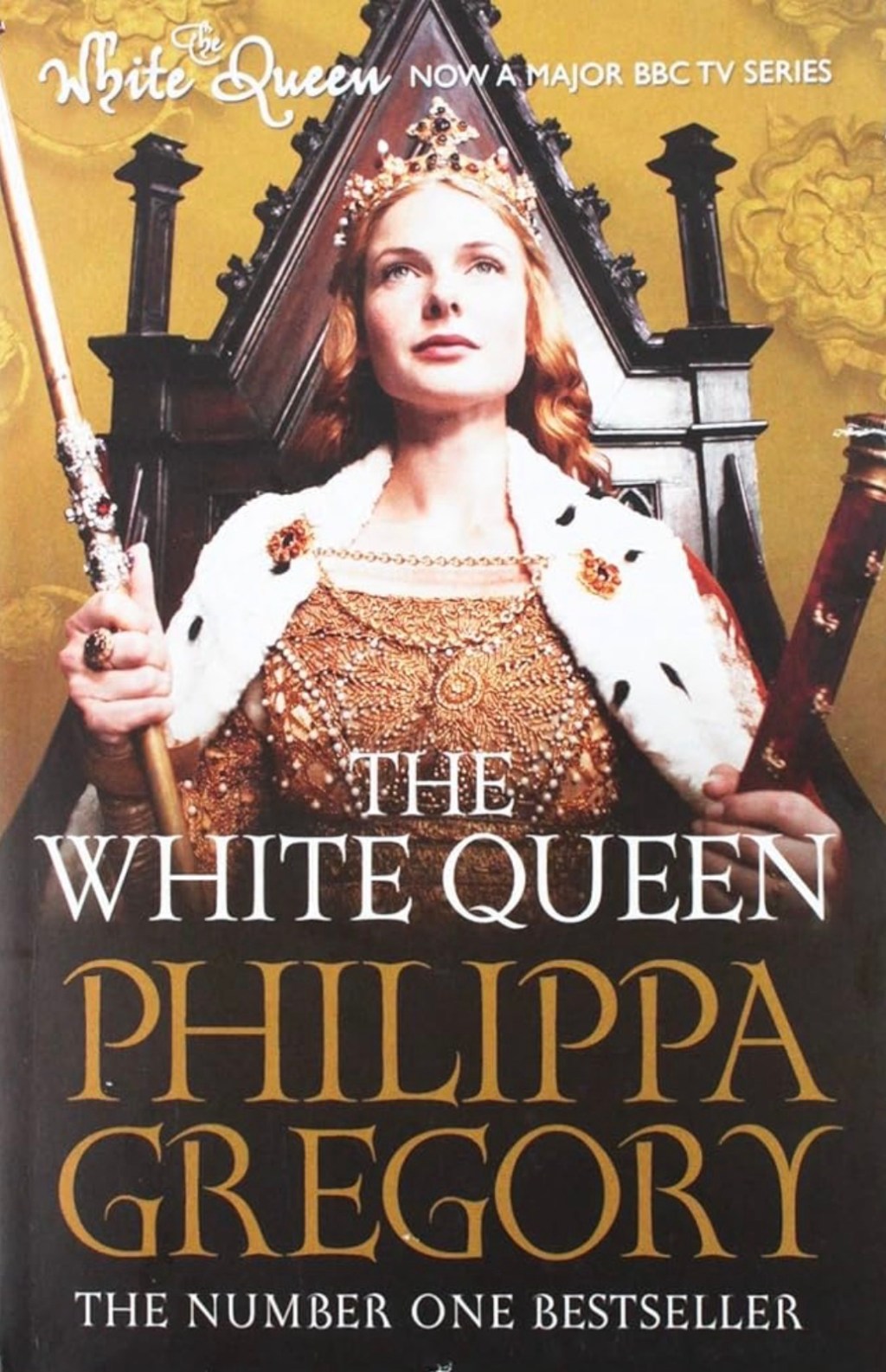
Elizabeth Woodville, a Lancastrian widow, marries King Edward IV of York — placing her at the center of one of the most violent succession crises in English history. She could not be more centrally placed. And she knows it, believe me.
She also comes with a remarkable backstory: her mother descended from a house whose founder allegedly married Melusine, a half-woman, half-fish water creature — which, as family skeletons go, is a considerable one. Gregory weaves this into the novel alongside the documented accusation of witchcraft against Elizabeth and her mother, presenting their spells and second sight as simply, unambiguously real. At one point they stop a Tudor advance on London by whistling from an open window. The Tudors, apparently, were easily discouraged.
Here is the problem: if you call it historical fiction, the supernatural needs either to yield to history or be clearly framed as legend. Gregory does neither. She blurs the line without acknowledgment, which is a more dishonest choice than straightforward fantasy.
Elizabeth herself grows less likeable by the page — relentless in ambition but never interesting in it. “The king loves me,” repeated across four hundred pages, is not characterization. It is padding. Her grudges are operatic; her smile, unsettling.
Practically speaking: every man is named Edward, Richard, George, or Henry. Her daughters are simply “the girls.” Keep a cheat sheet.
Life is too short for books that irritate you by page fifty.








 Between the Lines
Leave a comment