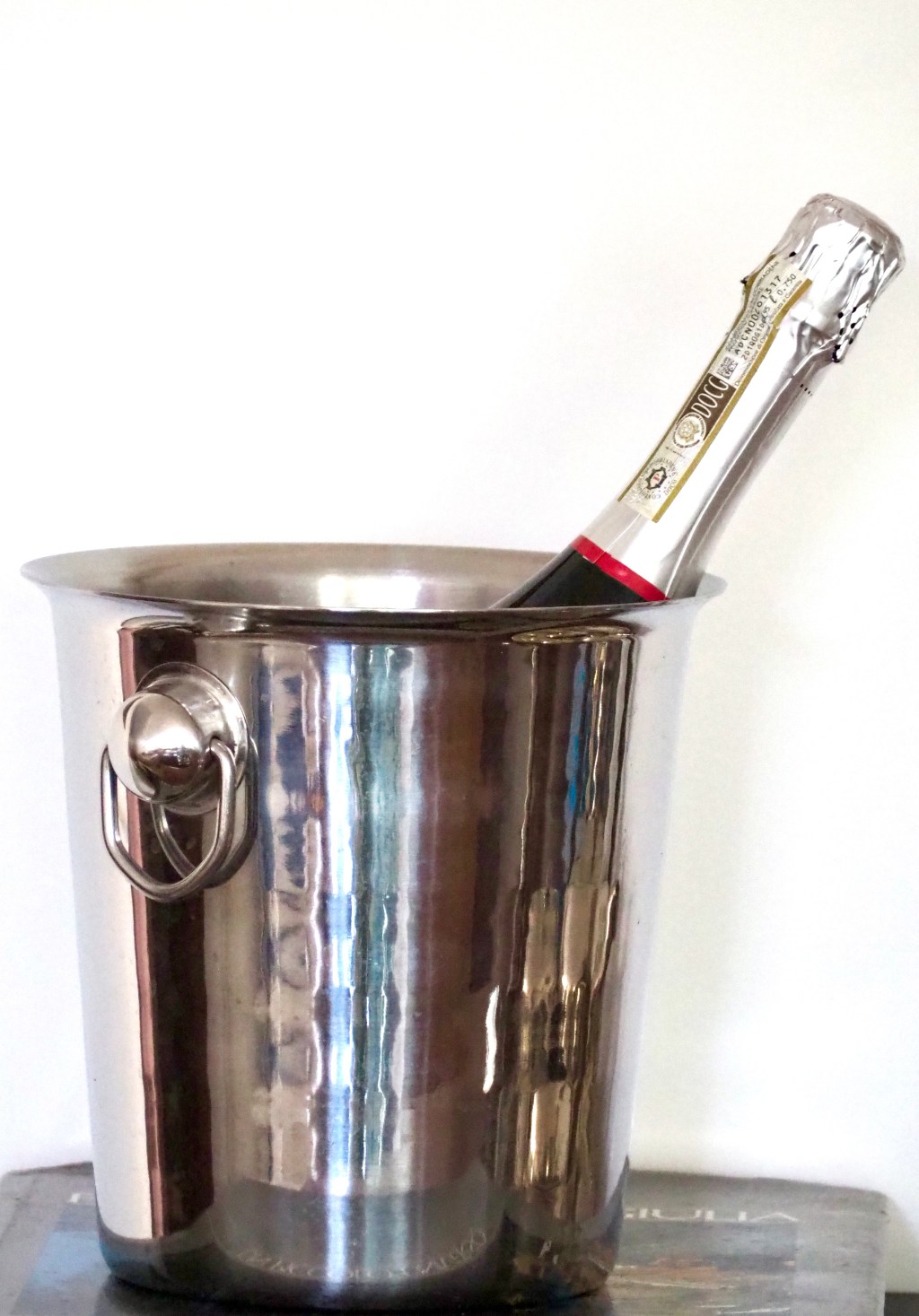
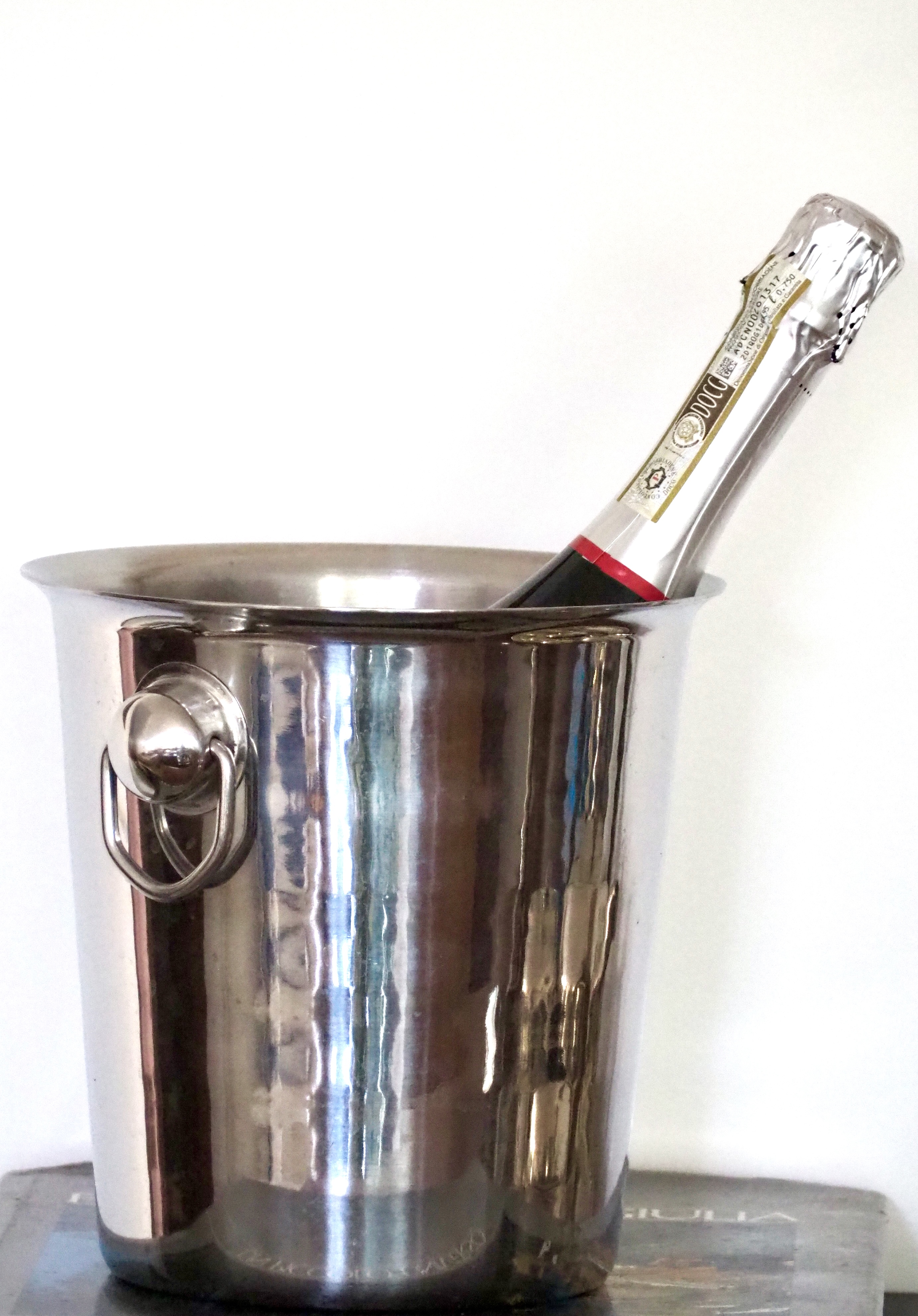
Veuve Clicquot Ponsardin Anyone?
It is straightforward arithmetic once you know the steps. Let’s walk through it using your champagne bottle example, assuming a 20% tariff on a $20 imported bottle 🥂.
Step-by-step Tariff Breakdown
- Import Cost Before Tariff:
• Base cost of champagne from the EU: $20 - Tariff (20%):
• Tariff paid by importer: $20 × 20% = $4
• So, total cost to importer = $24 - Markup and Retail Price:
Importers then sell to retailers, who apply their markup, and retailers add theirs too. Let’s assume:
• Importer markup = 30% → $24 × 1.30 = $31.20
• Retailer markup = 50% → $31.20 × 1.50 = $46.80
So, the retail shelf price could be around $47 instead of, say, $39 without the tariff—meaning the consumer eats most of the tariff.
Where does the $4 tariff go?
The $4 goes to the U.S. Treasury, specifically classified as “customs duties” in the federal revenue account.
• It does not go into a special tariff fund.
• It enters the General Fund of the Treasury.
And what’s the General Fund used for?
Think of it as the Treasury’s main wallet. The General Fund is used to finance:
• 🪣Defense spending
• 🪣Social Security
• 🪣Medicare
• 🪣Interest on the national debt
• 🪣Education and infrastructure
• 🪣Tax cuts, in theory (though revenue and spending aren’t earmarked that way unless through special legislation).
So that $4 might indirectly fund a bridge… or a fighter jet… or help offset the cost of a tax break. But it’s not earmarked to help U.S. manufacturers, workers, or wine producers unless Congress passes a law to that effect.
Which of these buckets matters most to consumers who are already shouldering the brunt of rising costs?
Takeaway
• Importers pay tariffs upfront.
• Consumers usually absorb them through higher prices.
• The Treasury collects the revenue, which disappears into the massive flow of general federal spending.
• Tariffs aren’t surgical tools—they’re blunt instruments: they may raise revenue but also risk collateral damage to supply chains and prices.






 Between the Lines
Leave a comment