
The following short statement was published by China’s President Xi Jinping, and I think it rings very true—and nowadays feels all too foreseeable for Trump’s America.
The world can move on without the United States.100 years ago, the British Empire dominated global commerce, commanding more than 20% of the world’s wealth. Many believed its sun would never set.
200 years ago, France bestrode Europe’s stage, its armies feared, its culture envied. Napoleon declared himself immortal.
400 years ago, the Spanish crown reigned from Manila to Mexico, its treasure fleets groaning with silver and silk. The kings thought their glory would last eternal.
Each empire proclaimed itself indispensable. Each was ultimately eclipsed.
Power wanes, influence migrates, and legitimacy dies the moment it’s assumed rather than earned.Should America forfeit the world’s respect, it will discover what every fallen empire learned too late:
The world moves on. Always.
By China’s President Xi Jinping
The official statement, was posted under the “PresidentXiCHN” account on X (formerly Twitter), as captured by multiple re-posts and outlets
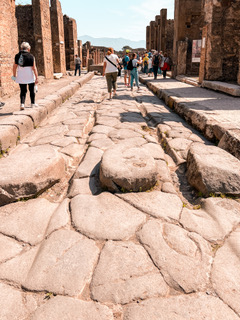
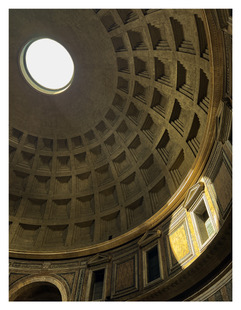
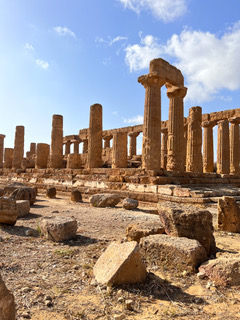
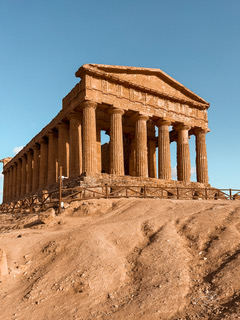
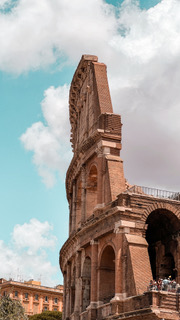
Xi, however, left out the Roman conquests that stretched from Syria to England. The Roman Empire may have collapsed, but it left behind enduring signs of the progress it brought to those lands: architecture and innovations still standing today, silent witnesses to its legacy.
America, on the other hand, will leave behind technology—ephemeral by nature, likely to be obsolete or replaced in no time. What else will be remembered 500 years from now? TikTok dances? Fast food chains? One wonders.
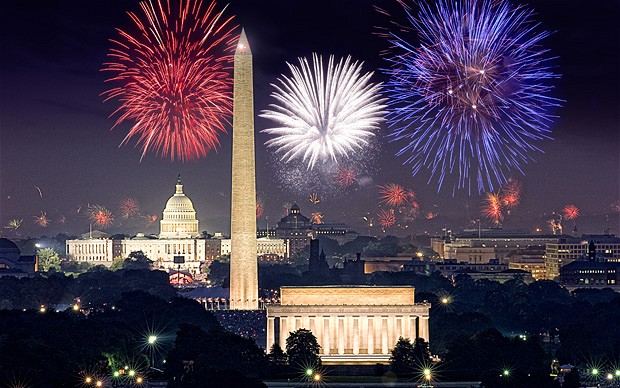
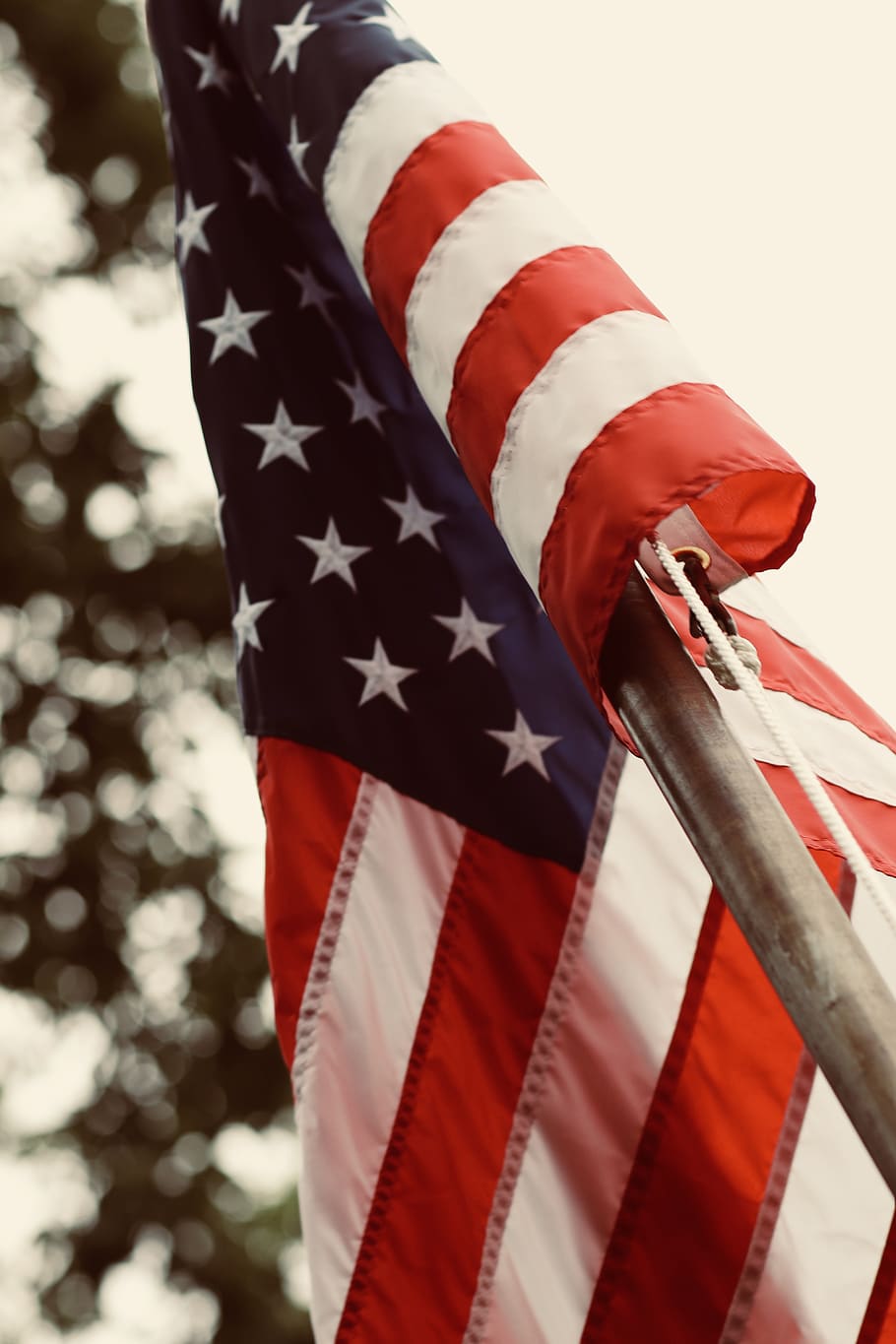

Beyond fleeting tech and pop culture, America could be remembered 500 years from now for several profound contributions, both positive and cautionary:
Democratic Ideals (however imperfectly realized) — The U.S. Constitution, Bill of Rights, and the idea of government “by the people” inspired revolutions and democratic movements worldwide. Even if America struggled to live up to these ideals, the influence on global governance was enormous.
Civil Rights Movements — The struggle for racial equality, women’s rights, LGBTQ+ rights, and disability rights in the U.S. set global precedents. The legacy of leaders like Martin Luther King Jr., Rosa Parks, and movements like Stonewall could echo for centuries.
Scientific Achievements — The Moon landing in 1969 may remain a defining human milestone, symbolizing a moment when humankind reached beyond Earth. Advances in medicine, computing, and physics—like the development of vaccines, microprocessors, or the Human Genome Project—are lasting contributions.
Cultural Exports — Jazz, blues, rock, Hollywood cinema, American literature (Hemingway, Faulkner, Morrison)—these have profoundly shaped global culture and could endure like Shakespeare or classical Greek drama.
Economic Systems — The spread of capitalism, consumer culture, and the globalization model rooted in American economic practices—future historians might analyze these as key forces that shaped the modern world, for better or worse.
Environmental Footprint — Sadly, America may also be remembered for its massive role in industrialization and carbon emissions, symbolizing humanity’s environmental recklessness. This could become a cautionary tale if climate disasters define coming centuries.
Internet and Digital Revolution — The birth of the internet and the information age, largely driven by U.S. innovation (think ARPANET, Silicon Valley), could leave a longer legacy than any specific gadget.
America’s legacy might be a paradox: ideals of liberty and equality, groundbreaking science and art—and, simultaneously, deep contradictions of inequality, consumption, and environmental impact.
The Guardian published a fascinating article that explored the topic in depth
This Fourth of July, the world declares its independence from America | Stephen Marche | The Guardian
But then again, the following are Rome’s most enduring legacies, many of which shaped the Western world (and beyond):
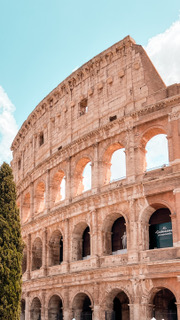
Infrastructure & Engineering
• Roads: “All roads lead to Rome” wasn’t a metaphor—Roman roads connected their empire for centuries, influencing modern highways.
• Aqueducts: Masterful systems that brought fresh water to cities, setting the standard for urban plumbing.
• Concrete: Their durable formula allowed them to build domes, arches, and buildings like the Pantheon, still standing 2,000 years later.
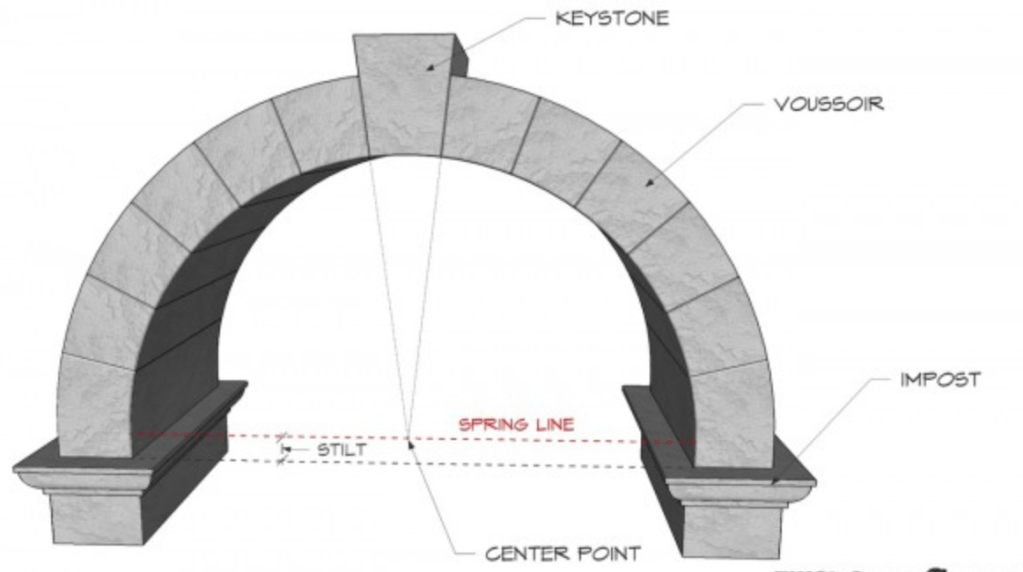
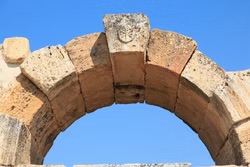
The Roman arch, a semicircular architectural structure, is a key element of Roman engineering and construction, known for its ability to distribute weight and create open spaces.
Law & Governance
• Roman Law: Concepts like contracts, wills, legal representation, and innocent until proven guilty remain bedrocks of modern legal systems.
• Republican Institutions: Senates, checks and balances, and civic duty—all crucial influences on modern democracies, especially the U.S. Constitution.
Language & Writing
• Latin: The foundation of Italian, French, Spanish, Portuguese, and Romanian (the Romance languages), and a major source of English vocabulary.
Calendar & Timekeeping
• The Julian calendar: Introduced in 46 BCE, it’s the basis of the Gregorian calendar used by most of the world today.
Architecture & Urban Planning
• Forums, basilicas, amphitheaters, public baths—these forms inspired city layouts and Western architecture from the Renaissance to modern government buildings.

Culture & Entertainment
• Literature, philosophy, and oratory from Cicero, Virgil, Ovid, Seneca—still studied as classics.
• Gladiatorial games and staged spectacles paved the way for modern mass entertainment, from sports arenas to theatre design.
Military Organization & Strategy
• Professional armies, military engineering, and tactics that became models for later European and world armies.
The world moves on. Always.
Xi Jinping
America’s legacy still hangs in the balance. Its breakthroughs in civil rights, medicine, and technology could secure a place in history as a force for progress—or become cautionary tales of a nation that let polarization, inequality, and short-sightedness squander its potential. Like fallen empires before it, America must remember: past greatness doesn’t guarantee future relevance. The world always moves on—what endures is what a civilization chooses to build, protect, and pass on.

 Between the Lines
Leave a reply to Between the Lines Cancel reply