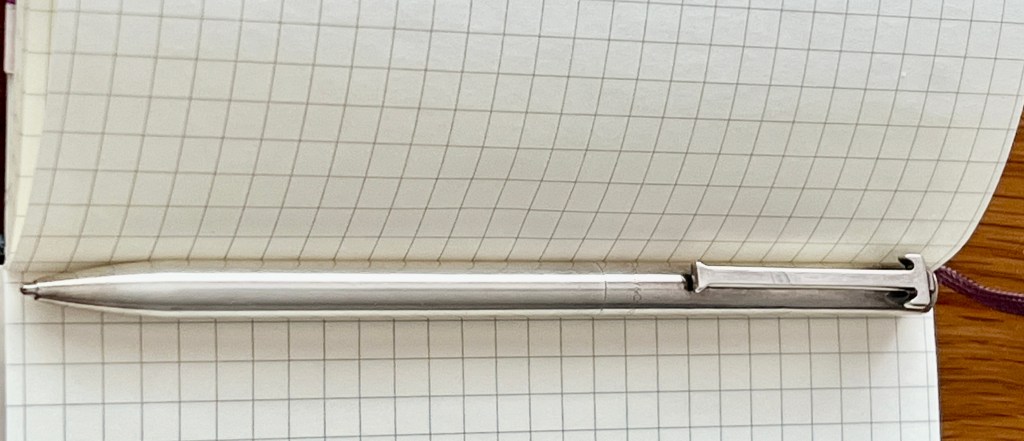
There’s something almost magical about putting pen to paper
When I write by hand, my thoughts deepen and my reasoning sharpens in a way that rarely happens at a keyboard. Though I do much of my writing digitally—drawn by its convenience and the ability to sync across devices—I recently returned to my trusty Moleskine notebooks. The difference was striking: my handwritten words felt calmer, more intentional, and more connected to what I truly wanted to say.
Yet I know I can’t abandon online writing entirely. It’s practical, always accessible, and perfect for capturing ideas on the go. The challenge, I’ve realized, is finding a balance—creating a space for the depth of handwriting while keeping the efficiency of digital tools.
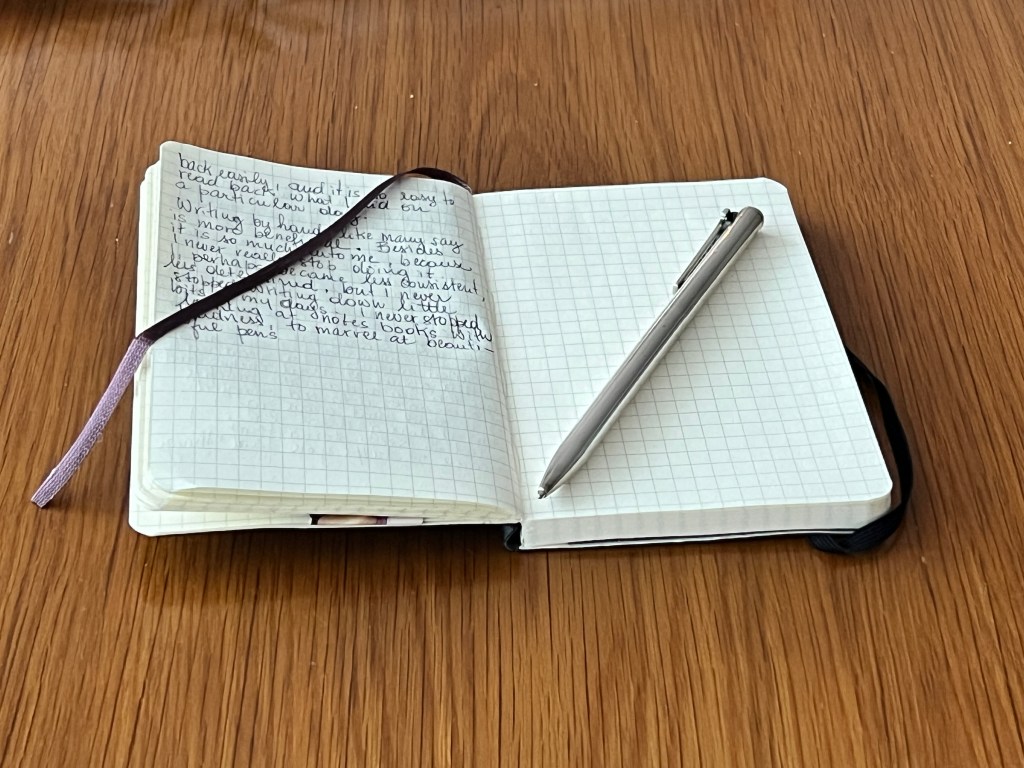
Michael Phelps journals to find the ‘best version’ of himself. When I tried it, the results surprised me. Why handwriting feels deeper
From the NYT July 24th, 2025
- Cognitive engagement: When you write by hand, your brain has to coordinate fine motor skills, spatial planning, and language processing in a way that lights up more areas of your cortex than typing does. Studies show this leads to deeper encoding of ideas and better memory formation.
- Pacing for reflection: Handwriting naturally slows you down. That gives your mind time to process thoughts, not just record them. It’s why handwritten journaling can feel almost meditative.
- Reduced distraction: When you write with pen and paper, you’re free from the siren song of notifications, hyperlinks, and other digital noise. It creates an environment more conducive to focus and introspection.
Why digital writing still matters - Practicality: Your keyboard is faster for capturing long texts, searching, editing, and sharing.
- Sync & accessibility: Apps like Notes, Obsidian, Notion, or Ulysses make your writing available everywhere, giving you a living archive you can update on the fly.
- Organization: Digital tools are unbeatable for indexing, tagging, and retrieving your work.
How to balance both without redundancy
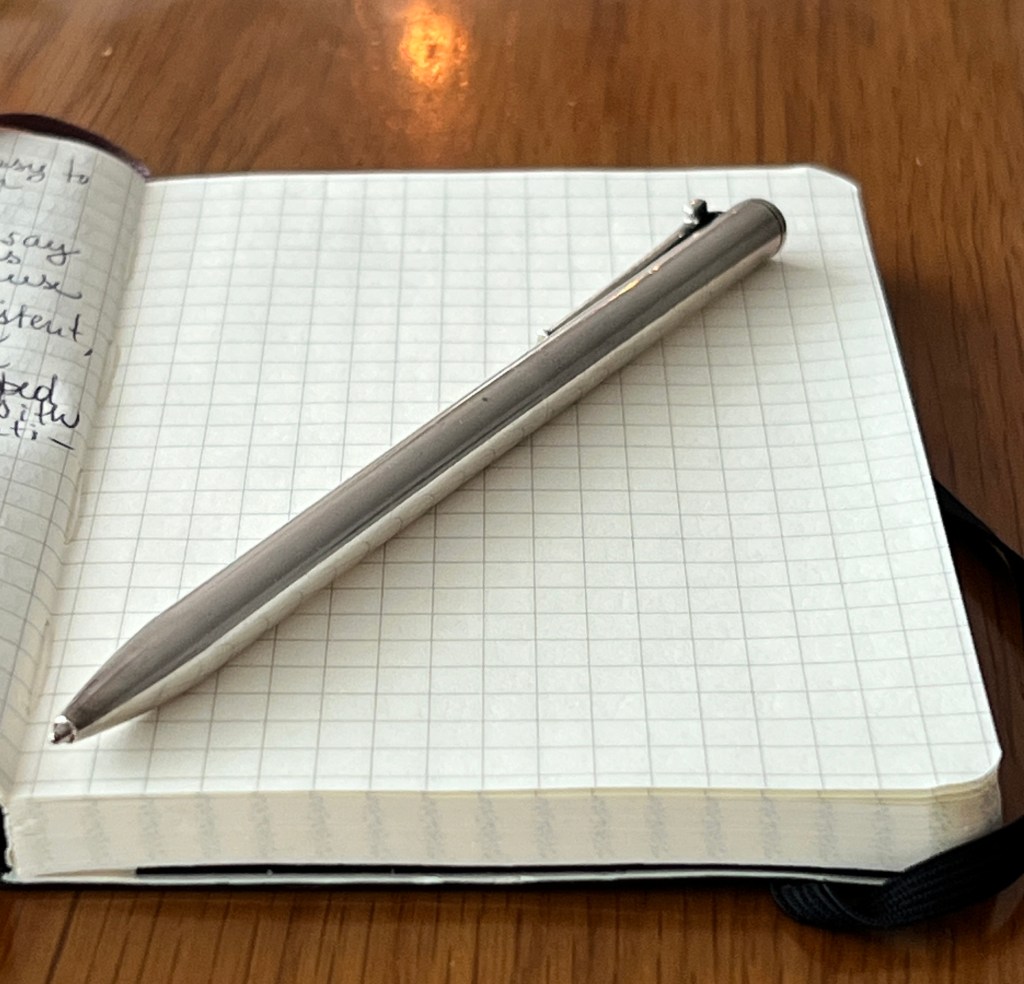
Separate purposes:
Notebook = raw, reflective, exploratory thinking. Use it for journaling, idea sketching, creative drafts—anything where clarity emerges in the slowness.
Digital = structured, refined, actionable writing. Move only ideas that you want to develop, organize, or execute on.
Create a ritual: Handwrite in the morning or when you need deep thinking; use digital tools later to expand, plan, or act on the insights.
Don’t transcribe everything: Instead, summarize your handwritten notes into your digital system. For example, once a week, review your notebook and capture key insights or tasks in your digital app—this reduces redundancy while preserving depth.
Use scanning apps wisely: If you love your handwritten pages, tools like iOS Notes’ scanner or apps like Evernote and Notion let you snap photos of key pages. You keep the calm of handwriting and the benefits of digital archiving—without retyping.
Link them intentionally: Keep your notebook numbered or dated, and add a simple reference (e.g., “Notebook 3, page 12”) in your digital notes when you move an idea over. This lets you jump back to the handwritten original if needed.
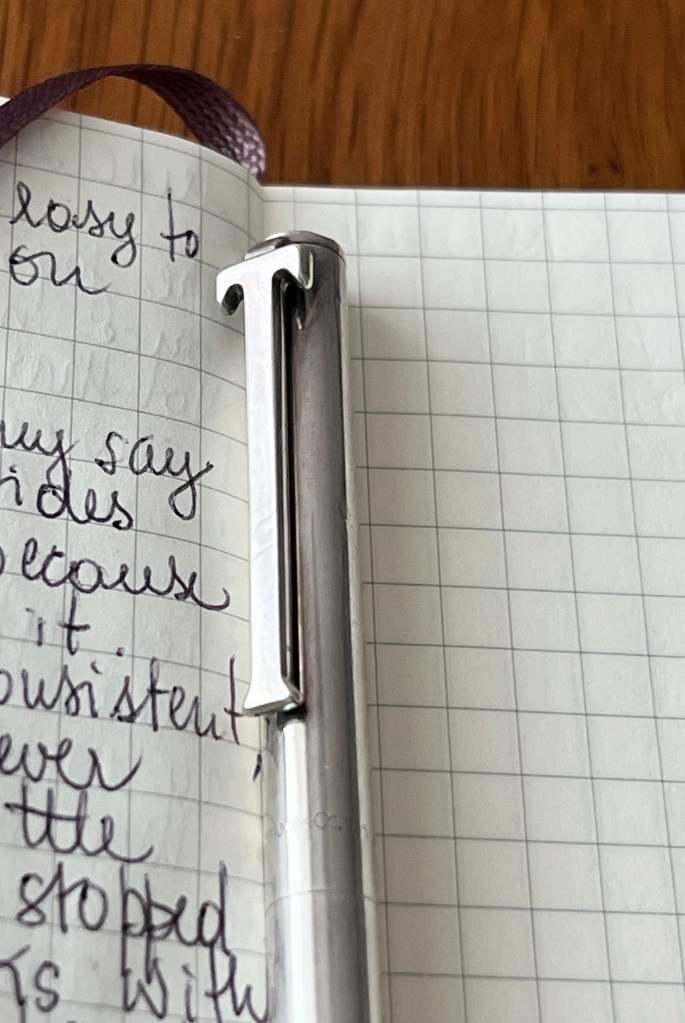
In essence: Let your notebooks be your garden—rich, messy, and full of life. Let your digital notes be your library—organized, purposeful, and accessible. One nourishes your mind, the other organizes your world.
 Between the Lines
Leave a comment