I could watch this movie over and over. It hilariously captures life in Moscow during the chaotic years after the Soviet Union’s collapse, when oligarchs rose to power and ordinary people found themselves scrambling to adapt.
Directed by Radu Mihăileanu, this French–Russian dramedy follows Andrei Filipov, once the celebrated conductor of the Bolshoi Orchestra, who has been demoted to janitor after refusing to dismiss Jewish musicians under Brezhnev’s regime.
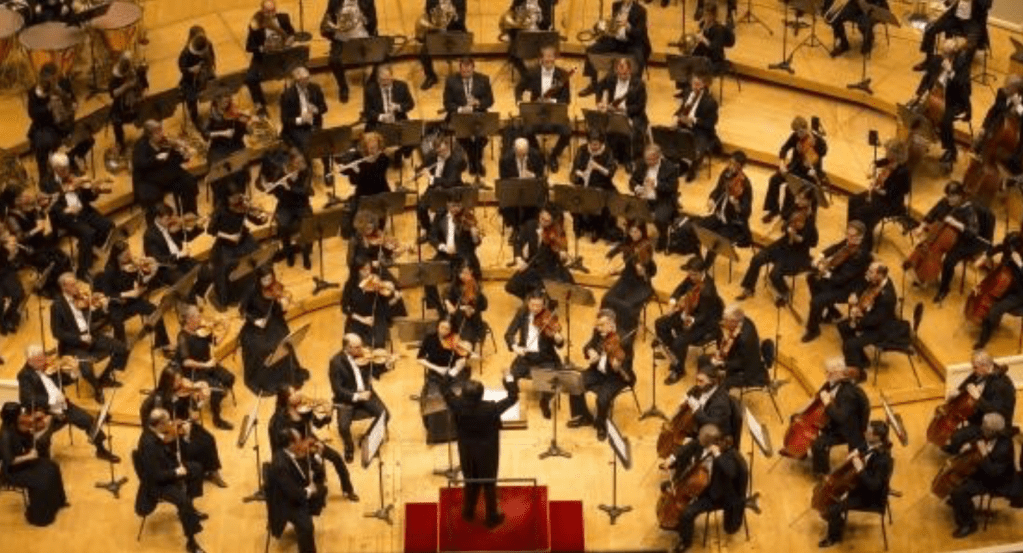
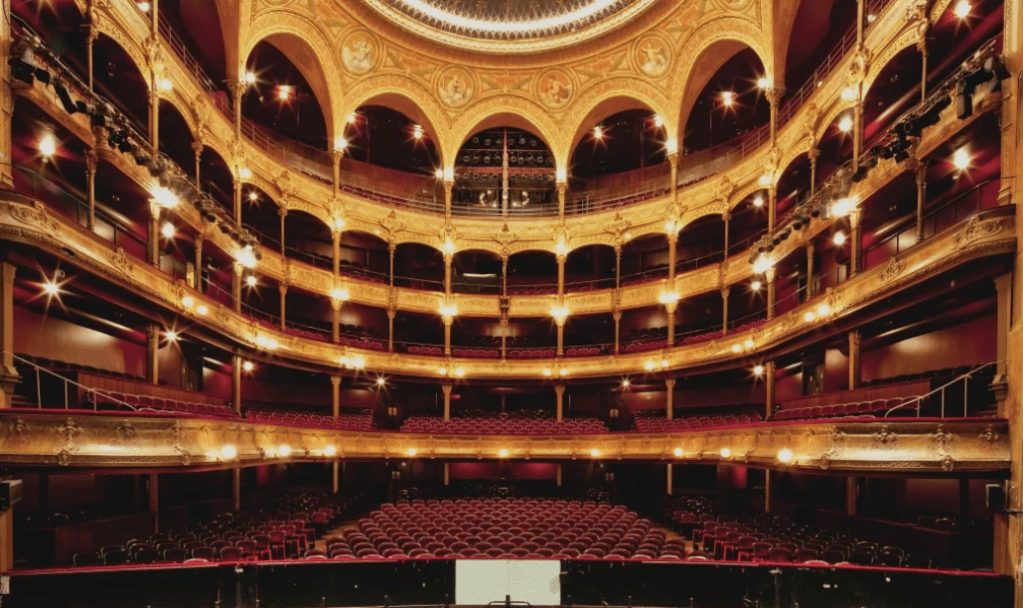
When a fax arrives inviting the Bolshoi to perform at Paris’s Théâtre du Châtelet, Andrei seizes the opportunity to reclaim his destiny. He reunites his old ensemble—now working menial jobs—and devises a bold plan: impersonate the official Bolshoi Orchestra and stage a triumphant comeback with Tchaikovsky’s Violin Concerto.
The former maestro’s wife, for example, makes ends meet by hiring “extras” to attend political rallies and weddings—just so hosts can show off a packed room—earning enough to afford fresh vegetables. The cellist, Sacha, once a respected musician, now drives an ambulance.
But there are deeply moving moments, too. When Andrei, the conductor, reveals his plan to stage the concert in Paris, his wife tells him to do it or she’ll file for divorce—“I’ve waited thirty years for this moment!” she exclaims, her eyes welling with emotion.
As the story unfolds and obstacles pile up, it becomes clear there’s more at stake. Andrei’s decision to perform Tchaikovsky’s Violin Concerto stirs painful memories. He shows his old friend Sacha a recording of Anne-Marie, a young French violinist, saying he wants her as the soloist. Sacha is stunned—he recognizes who Anne-Marie must be.
In Paris, Andrei meets Anne-Marie over dinner. She reveals she lost her parents as an infant and has spent her life searching for them. Andrei grows emotional himself, recounting how he was demoted decades earlier, and the extraordinary performance of Leah, the violinist, that night. But Anne-Marie refuses his offer, saying she won’t replace someone else’s place.
The devoted Sacha sweeps Andrei from the restaurant and, the next day, visits Anne-Marie flowers in hand to convince her.
“You must play. Music is magic—it speaks directly to the soul. And maybe, when you perform that concerto, you’ll rediscover your past… maybe even reconnect with your parents.”
It’s Sacha’s heartfelt, impassioned pitch—tapping into Anne‑Marie’s emotional journey and the idea that music can heal and reveal deep truths—that finally breaks through her resistance.
Despite countless obstacles and hilarious mishaps, on the night of the performance—without rehearsal—they pull off a stirring and emotional rendition of the concerto.
Anne-Marie arrives determined. After a brief stumble at the start, Andrei finds his rhythm, and conductor and soloist connect as if by fate. The orchestra plays beautifully, while black-and-white flashbacks reveal the tragic past: Leah, Anne-Marie’s mother, arrested for criticizing Brezhnev, and her parents dying in misery soon after.
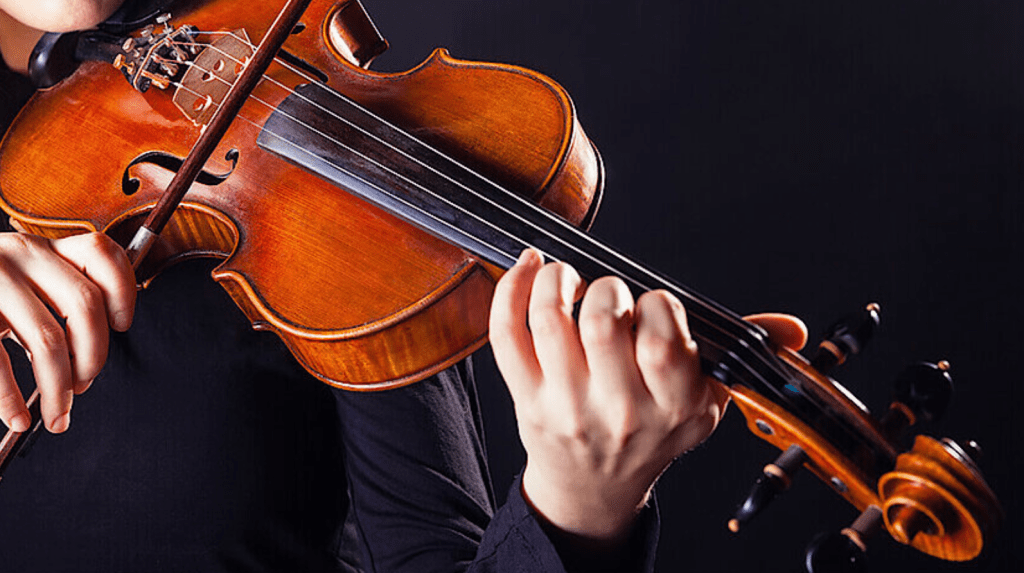
The concert becomes a catharsis for Andrei, uncovering Anne‑Marie’s hidden ties to his past and culminating in a heartfelt, joyous artistic triumph.
As Anne-Marie’s majestic performance unfolds, the music guides her to the truth about her parents. The concert is a triumph: the audience erupts in applause, the orchestra cheers for the conductor who reunited their dreams—and for the music that soared to new heights.
The movie is both hilarious and deeply moving, but it’s the choice of music—Tchaikovsky’s Violin Concerto—that makes it truly extraordinary. The concerto is powerful and passionate, weaving sweeping adagios with sudden bursts of vivacissimo, perfectly mirroring the story’s raw emotions.
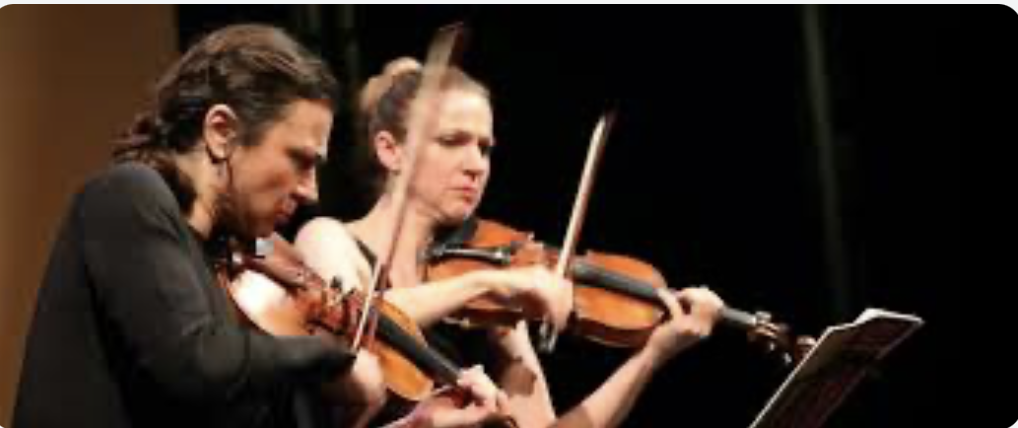
It embodies the struggle of the once-great musicians trying to rebuild their shattered lives; the memory of Leah, the brilliant violinist lost to history; the unquenchable fire of the conductor who refused to let his dream die; and the yearning of the young violinist in Paris, who sensed a hidden story behind her parents’ fate.
Her breathtaking performance on the night of the concert—without a single rehearsal—was an act of courage, a gamble of the heart. She played not only for herself, but for the mother she never knew, as the orchestra behind her carried the weight of secrets long kept. Together, they transformed the music into a cathartic, transcendent moment, making the concert unforgettable.
Le Concert
The orchestra featured in Le Concert isn’t the fictional Bolshoi ensemble—but in reality, the score was performed by the Budapest Symphony Orchestra, hired for its lush sound and cost-effective production
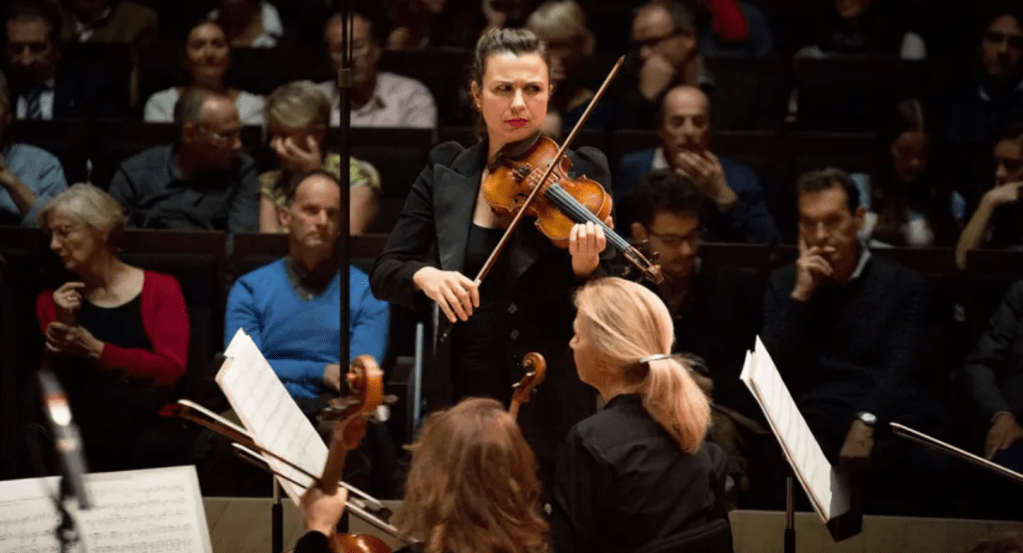
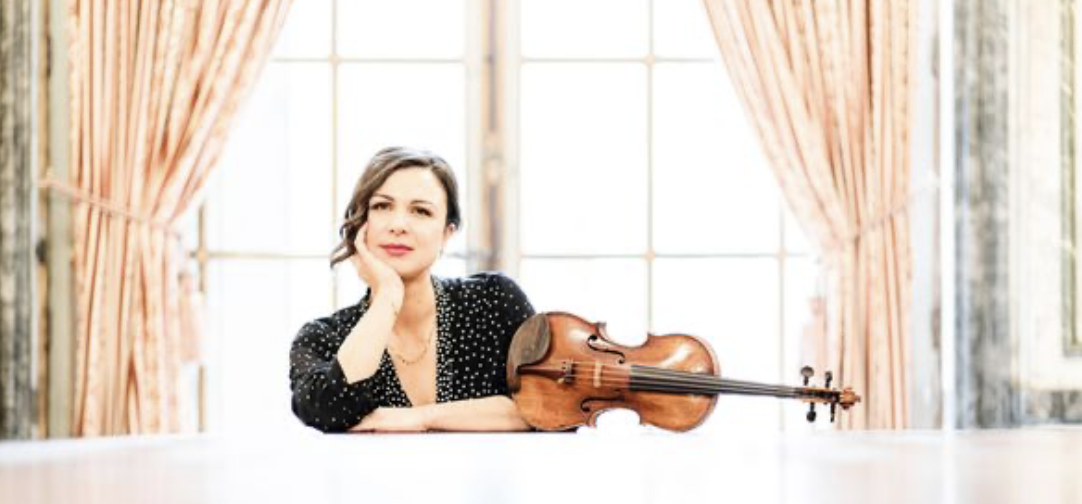
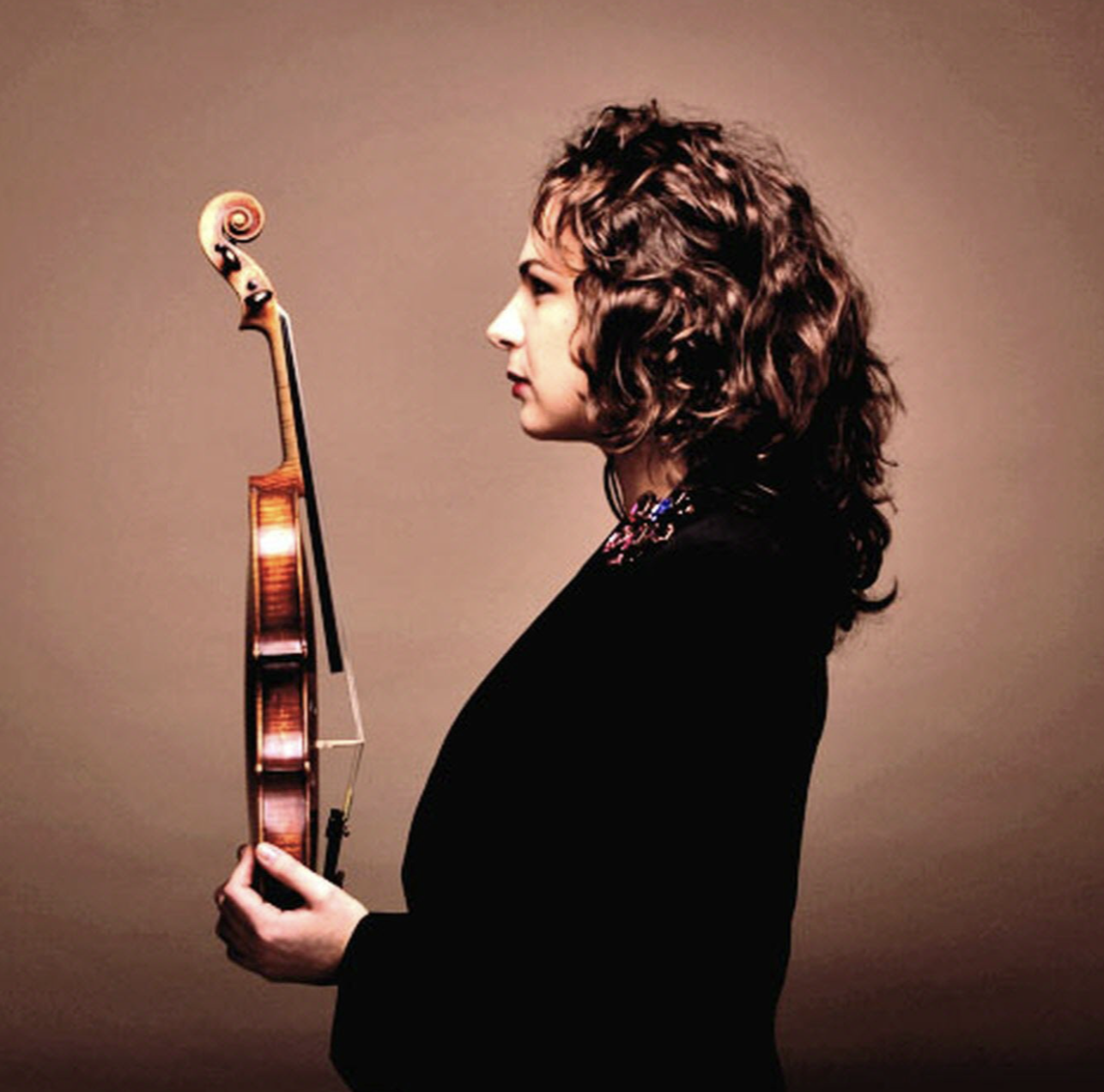
As for the violin solos, behind Mélanie Laurent’s onscreen performance stood Sarah Nemtanu (pictured above), the premier violon solo of the Orchestre National de France. She not only coached Laurent for realism but also provided the actual recorded solo heard during the film’s dramatic conclusion.
 Between the Lines
Leave a comment