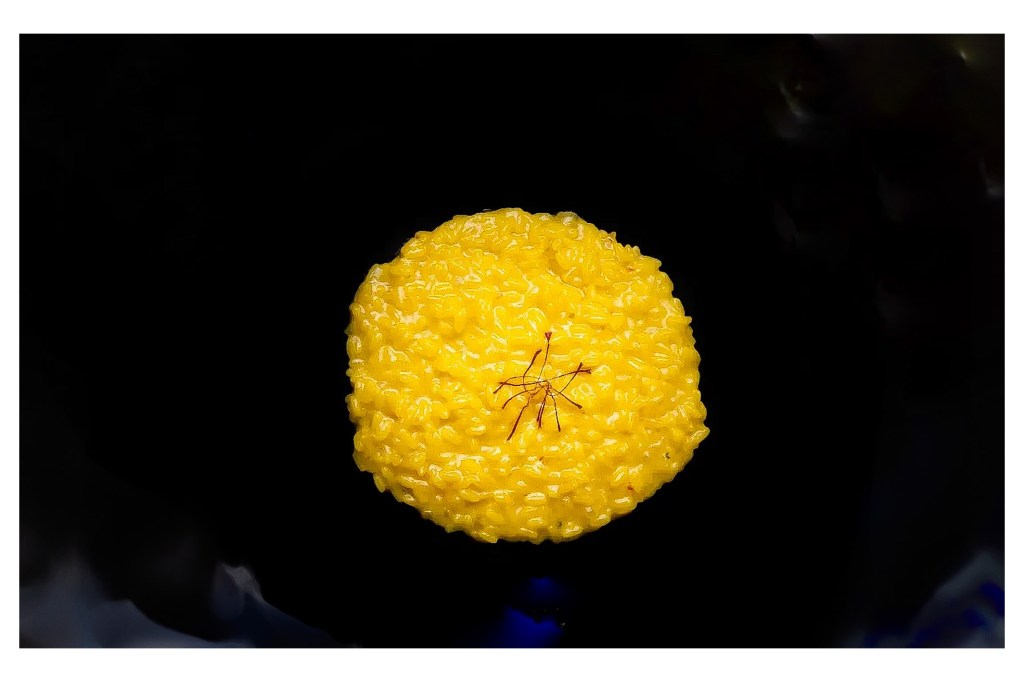
Why Saffron Risotto is Milan’s Most Golden Dish (Literally and Figuratively)
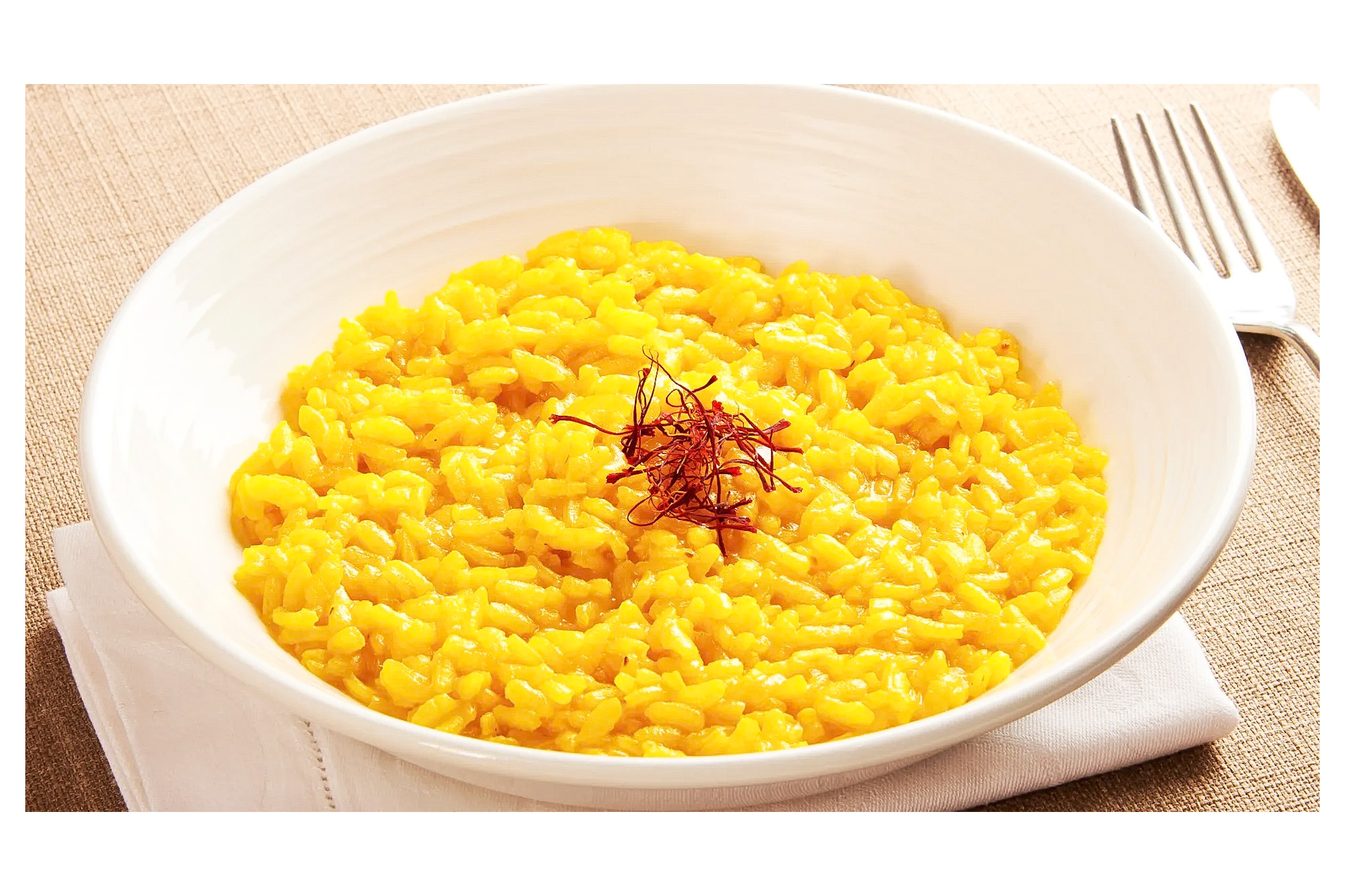
Milan is world-famous for its grand Duomo, Leonardo’s Last Supper, and a dish that glows like stained glass: Risotto alla Milanese, better known as saffron risotto. A rich, golden delight that dazzles the eyes before it ever reaches the palate.
But how did this Persian-born spice end up defining Milanese cuisine?

A Persian Diva Enters the Stage
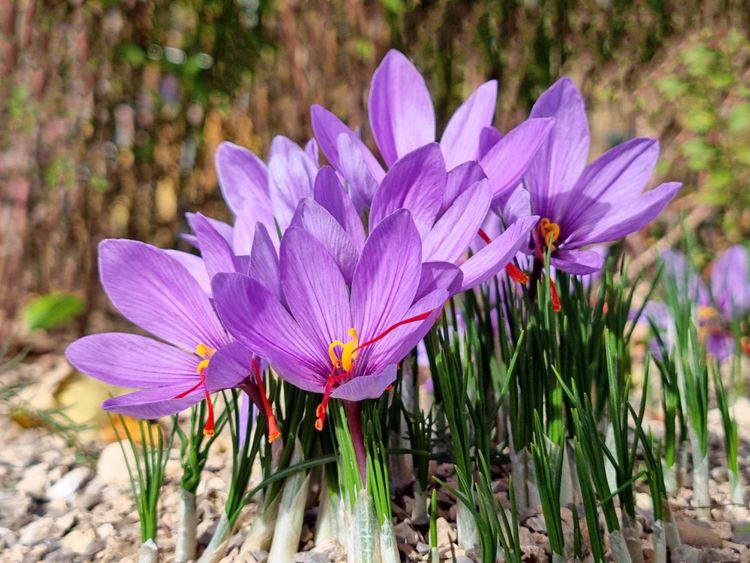
Saffron—za’farān in Arabic—originated in ancient Persia, cultivated for over 3,000 years. It’s the crimson stigma of the Crocus sativus, a delicate flower that blooms for just one week a year. Each bloom yields only three precious threads. Harvesting is a race against time and sun. And yes, every thread is picked by hand.
To produce one single kilo, you’ll need 150,000 flowers. No machines. No shortcuts. Just skill, patience, and aching fingers. Even today, a worker might process only 60–80 grams in a day.
That’s why saffron is the diva of spices—fragile, demanding, and worth every euro.
Beauty, Fraud, and a Fragrant Triple Threat
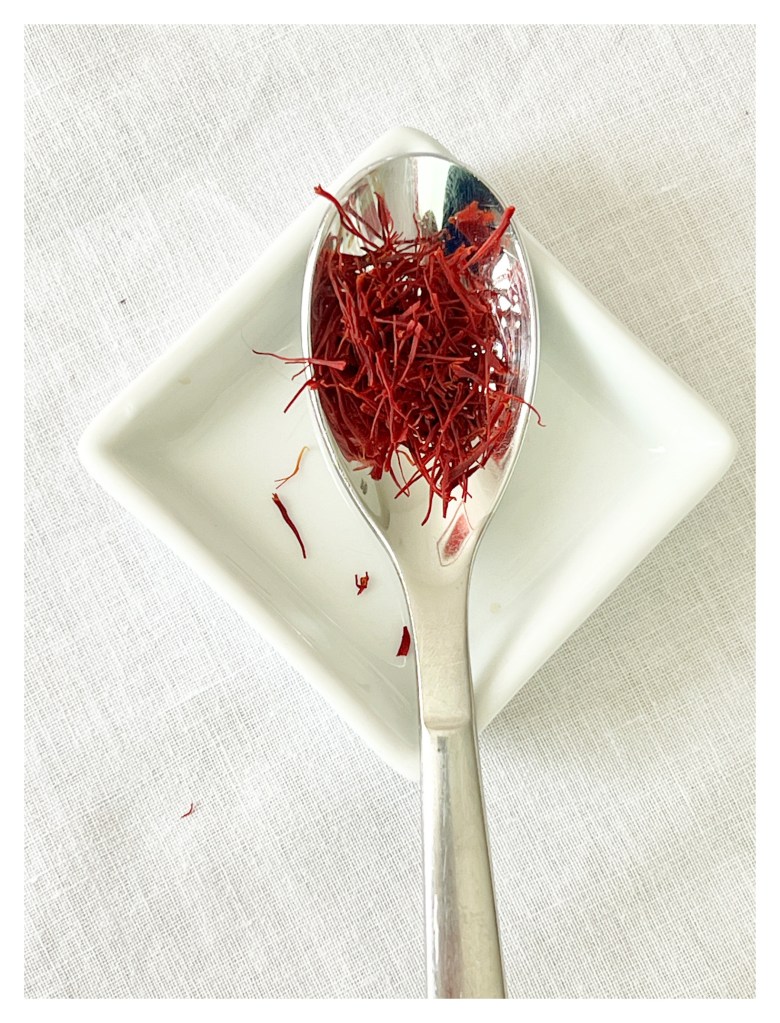
With saffron, purity matters. Deep red threads—no yellow or white—signal quality. Because of its sky-high price, it’s also one of the most faked ingredients on Earth, sometimes “cut” with safflower, turmeric, or even colored paper. Authentic saffron is lab-tested, tightly regulated, and deeply aromatic.
Few ingredients dazzle all three senses like saffron:
- Aroma: Earthy, honeyed, hay-like
- Flavor: Bittersweet, floral, slightly metallic
- Color: Vibrant golden yellow—liquid sunshine
Beyond the kitchen, it was also prized in perfumes, religious rituals, and medicine.
How Saffron Traveled to Milan
Sicily was the entry point. Under Arab rule (827–1091), it became a botanical crossroads, introducing saffron, citrus, and sugarcane to Europe. When the Normans took over, saffron remained—folded into aristocratic cuisine across dynasties.
From there, it traveled north through trade routes linking Sicily, Naples, Rome, and Florence, eventually reaching Milan. After 1535, Spanish Habsburg rule connected Lombardy more tightly to saffron-producing regions. Meanwhile, Jewish and merchant communities helped distribute exotic spices across Europe, often defying strict guild rules.
A Symbol of Prestige and Power
In Renaissance Milan, saffron was more expensive than gold—gram for gram. To use it was to display wealth, intellect, and refinement. It even colored the stained glass of Milan’s cathedrals.
In elite kitchens from Italy to France to Spain, saffron was culinary bling: found in rice dishes, sauces, even desserts. Adding it was more than a flavor choice—it was a statement.
Food as alchemy. Spice as status.
The Duomo Legend: A Window, a Wedding, a Joke Gone Delicious
One legend captures Milan’s saffron moment perfectly.
In 1574, during the construction of stained glass windows at the Duomo, a Flemish glassmaker named Valerio di Fiandra worked with an assistant nicknamed “Zafferano” (Saffron), who used the spice to enhance the glass’s yellow hue.
As the story goes, Zafferano pulled a prank at Valerio’s daughter’s wedding: he convinced the cook to toss saffron into the risotto. The golden rice wowed the guests—and a Milanese classic was born.
Fact or Folklore?
This origin story, while charming, is considered culinary myth—a “truthy” tale rather than documented fact. But it persists in sources from Bulgari Hotels to The New Yorker, suggesting it reflects Milan’s cultural memory.
In reality, saffron risotto evolved slowly, likely influenced by Arab-Sicilian rice dishes like arancini and Spanish culinary traditions. The first recipes appear centuries later. Still, the legend lingers—for good reason.
Sometimes, the best food stories aren’t fact—they’re folklore with flavor.
Saffron Beyond Milan
Saffron is a world traveler. It stars in:
- Paella (Spain)
- Bouillabaisse (France)
- Biryani & Korma (India)
- Tagines & Harira (North Africa)
In each case, a pinch goes a long way, transforming the ordinary into the extraordinary.
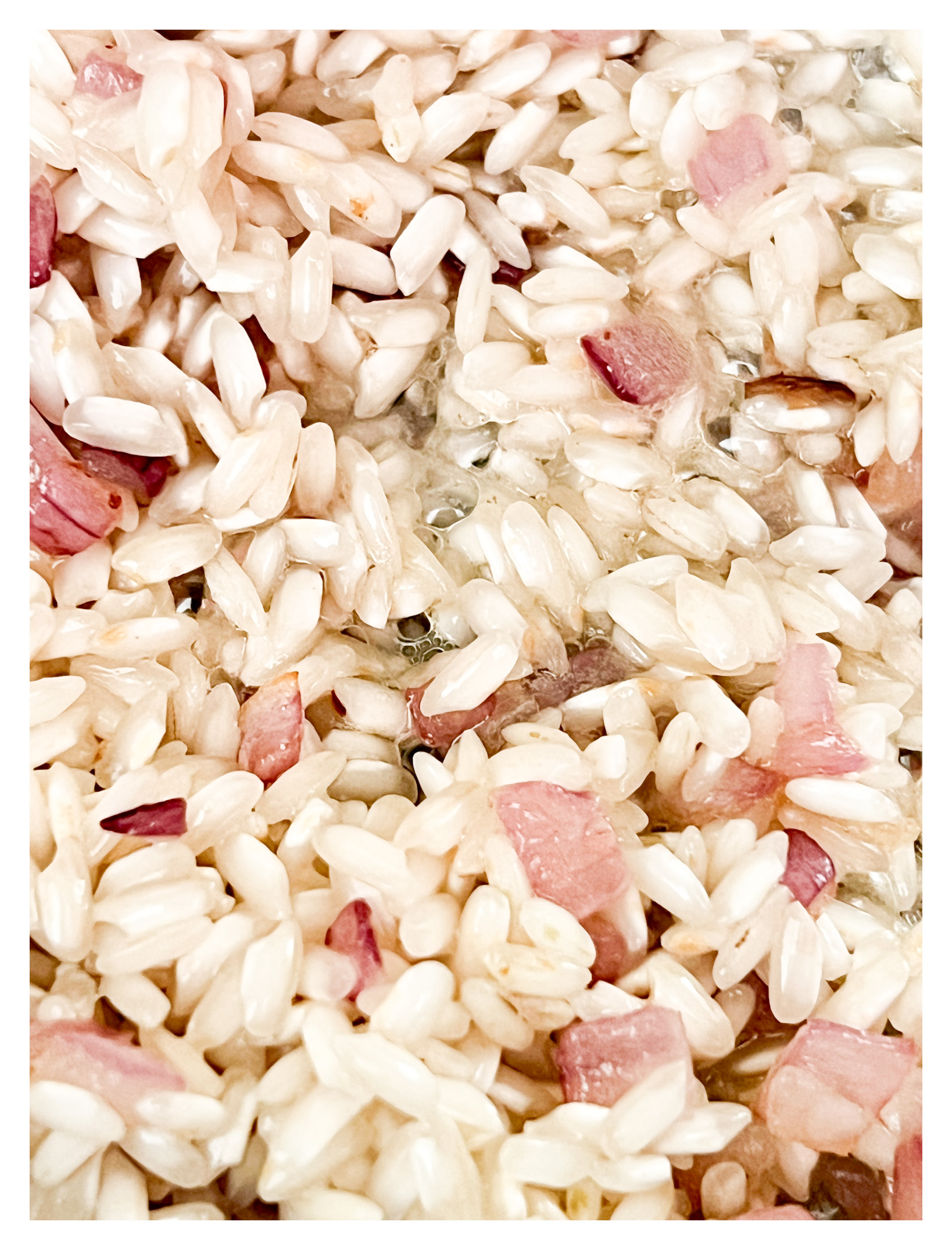
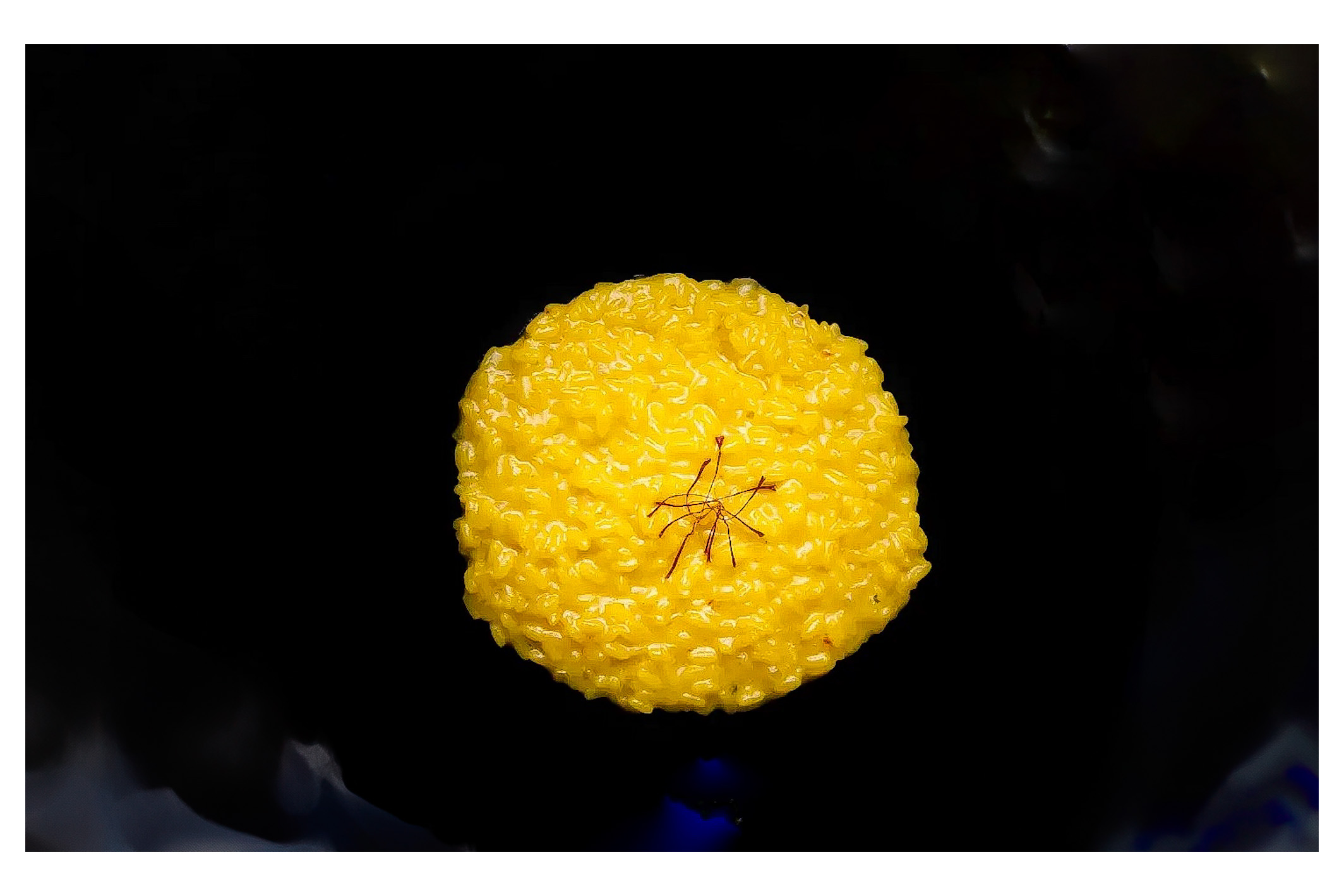
Cooking It Right: A Kitchen Meditation
Making saffron risotto at home isn’t hard—but it does require attention. Think of it as a 20-minute meditation with butter and broth.
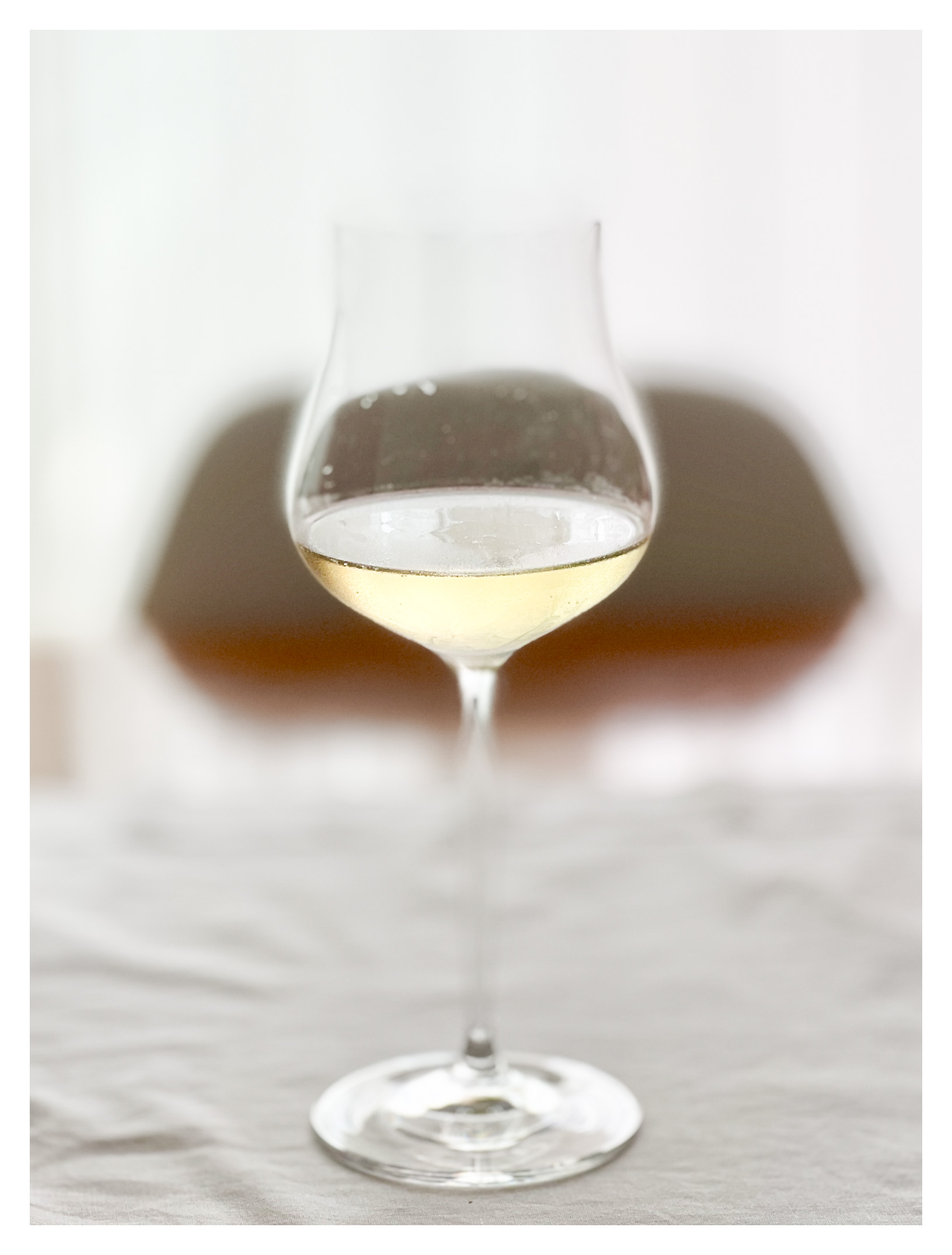
- Use premium ingredients: Carnaroli rice, real saffron, good white wine, and yes— good butter.
- Stir. Constantly. No texting. No folding laundry. Stirring for ~18 minutes (check the box) creates that creamy consistency.
- When to add saffron? Opinions differ. Steeping the threads in hot broth or wine first helps release their magic.
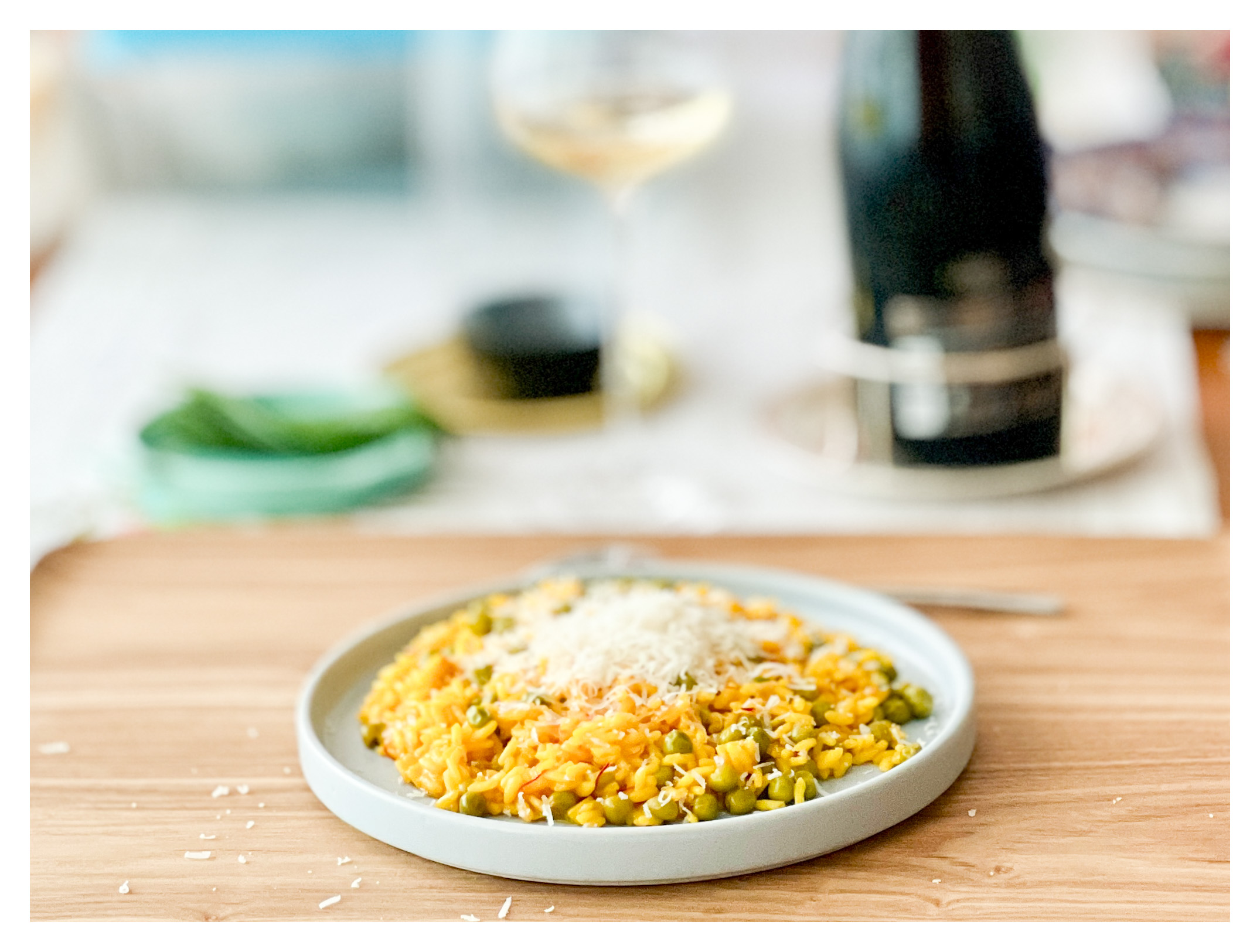
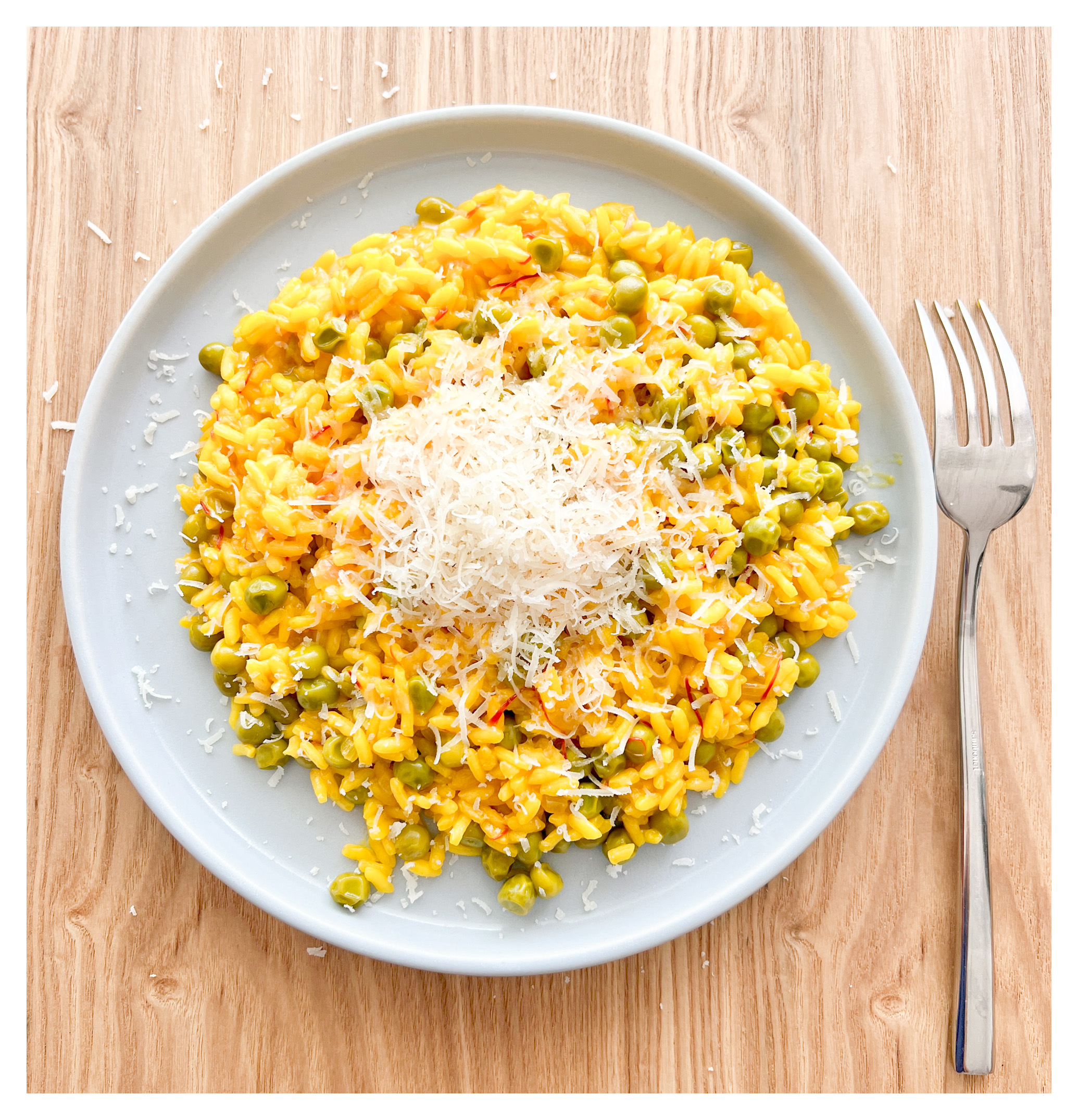
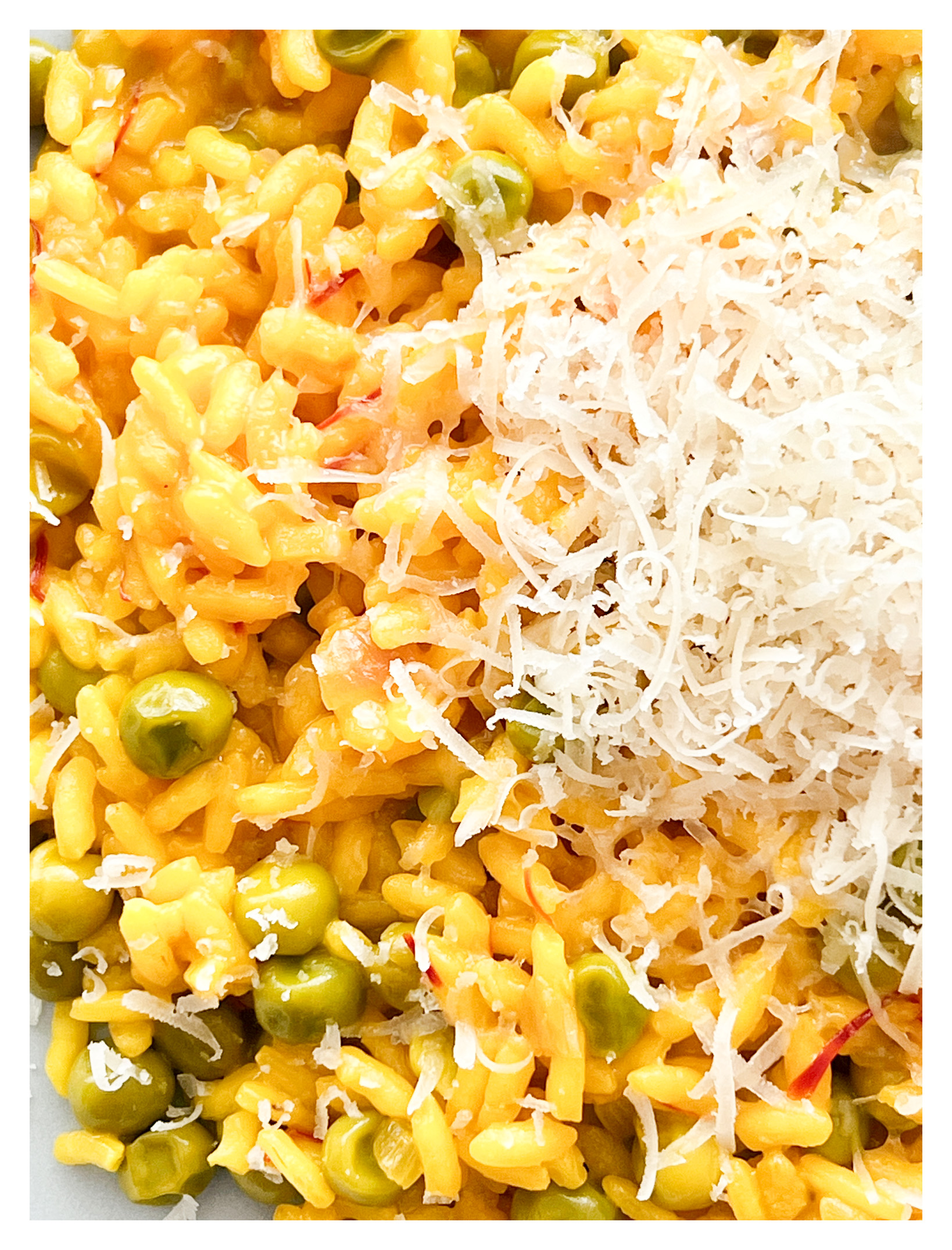
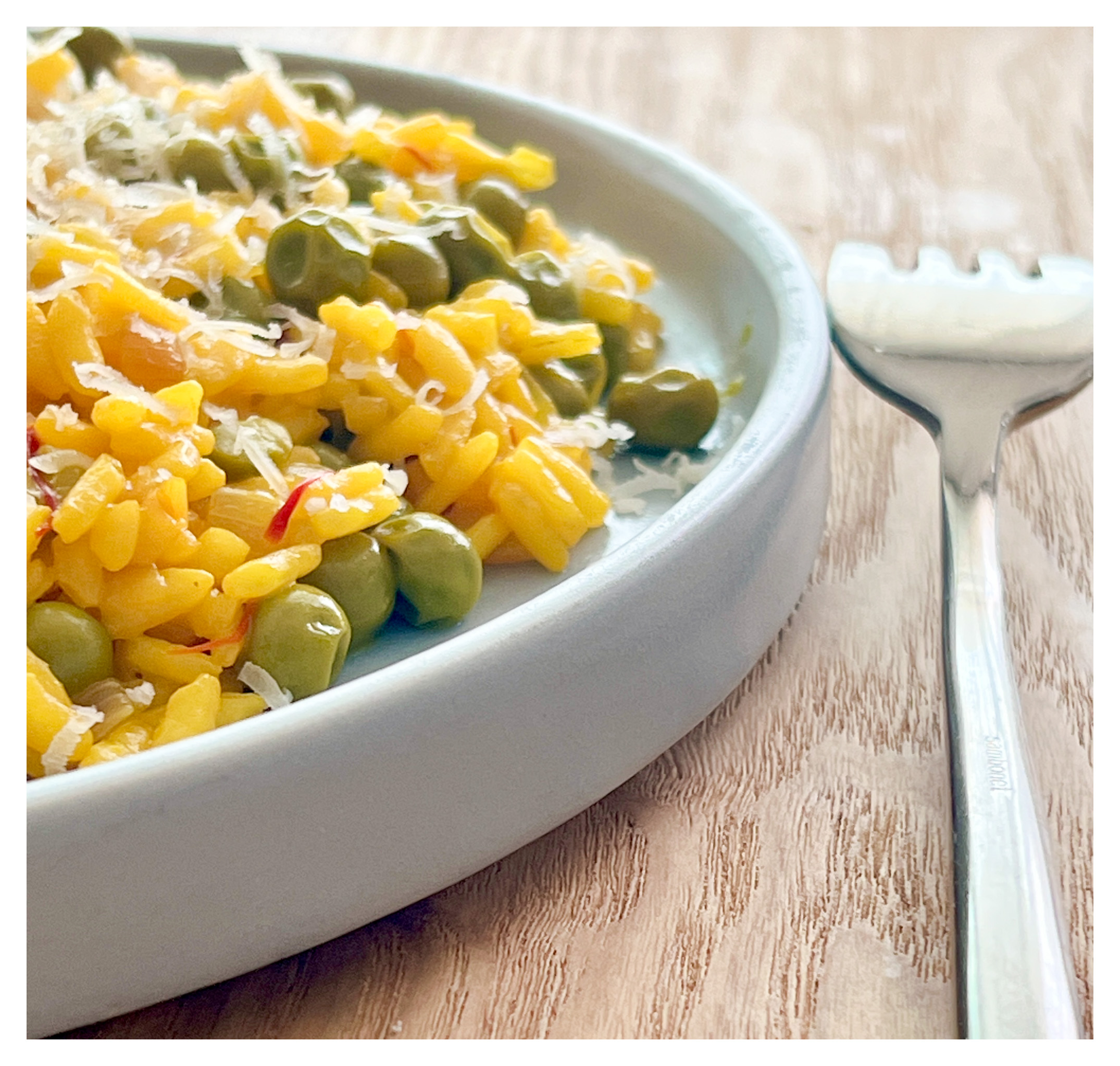
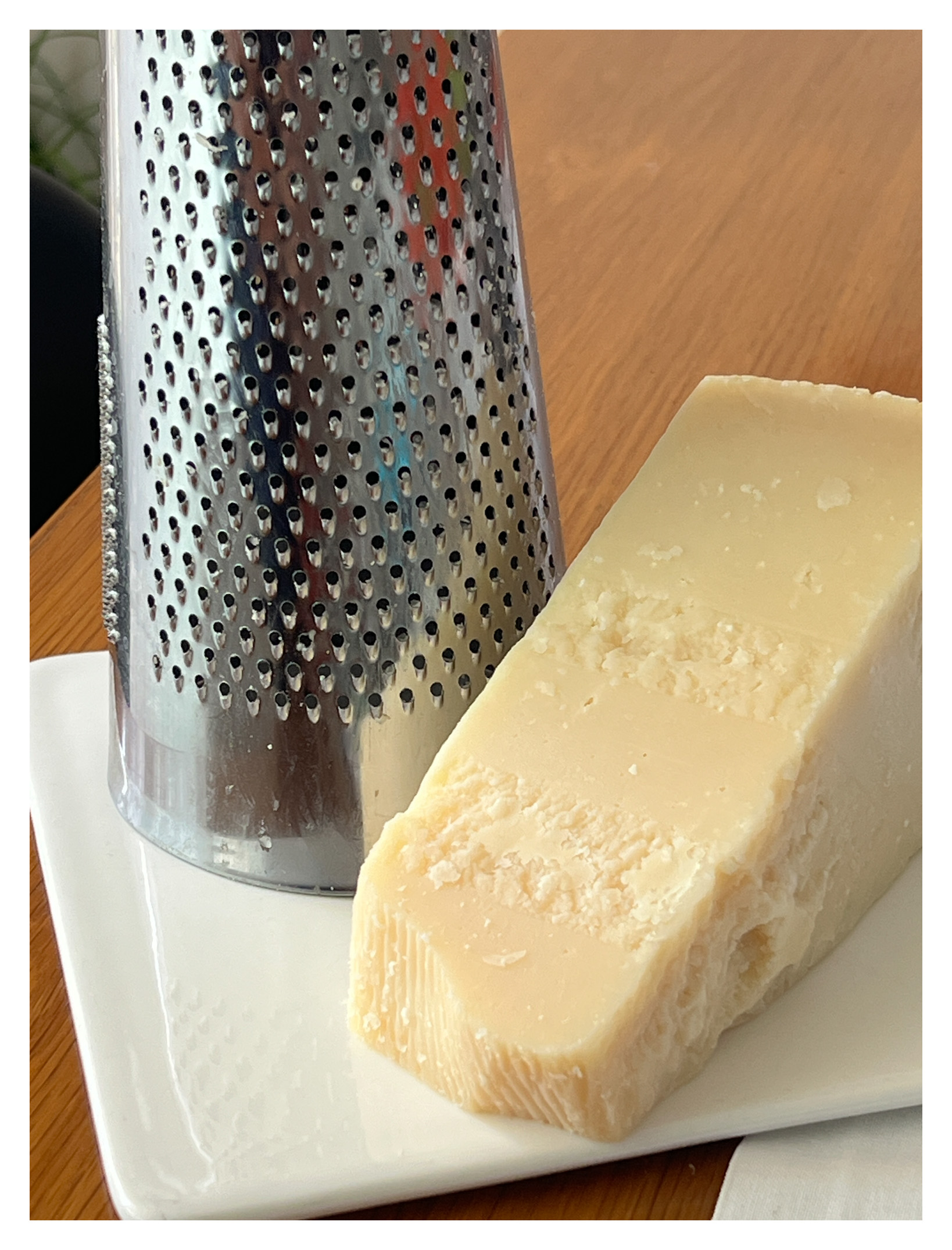
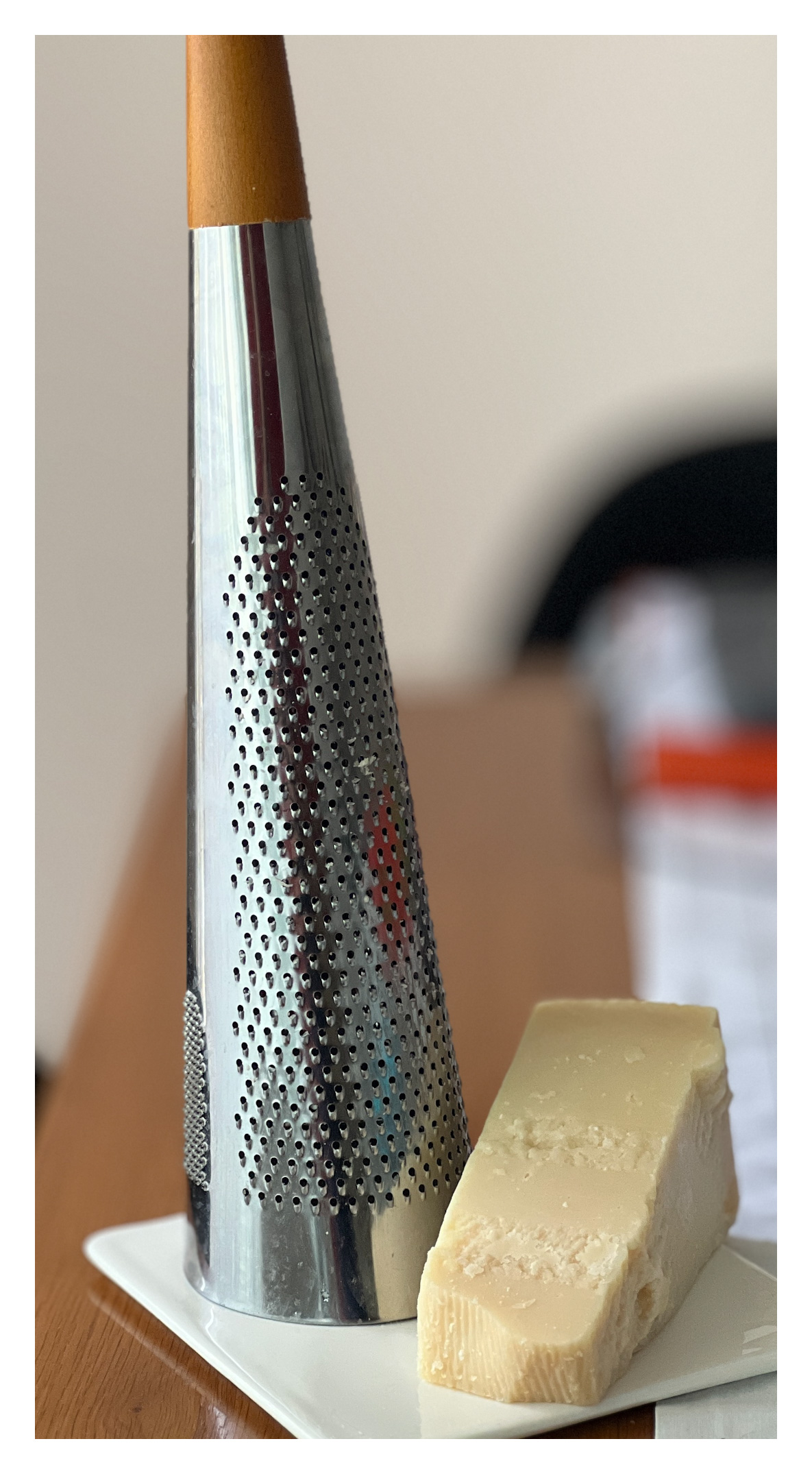
- Plate like a Milanese: flatten the risotto with a couple of quick taps on the dish, scatter a few saffron threads on top, and finish with freshly grated Parmesan—never pre-packaged.
As Julie Powell (Amy Adams) famously said in Julie & Julia:
“Here’s my final word on the subject: you can never have too much butter.”
And with that, buon appetito—eat like you’re gilding your life.
 Between the Lines
Leave a comment