
In the current age, a subtle erosion is underway—not only of the capacity to concentrate on complex written language, but of a deeper attachment to meaning itself. Words and sentences, once bridges to insight and connection, now risk becoming hollow vessels, skimmed but not absorbed. The act of reading, like that of writing, demands effort—an engagement of mind, memory, and empathy. Without that effort, society inches toward a state of fragmentation, disorientation, and diminished freedom—toward a kind of inarticulate darkness.
The act of reading, like that of writing, demands effort—an engagement of mind, memory, and empathy.
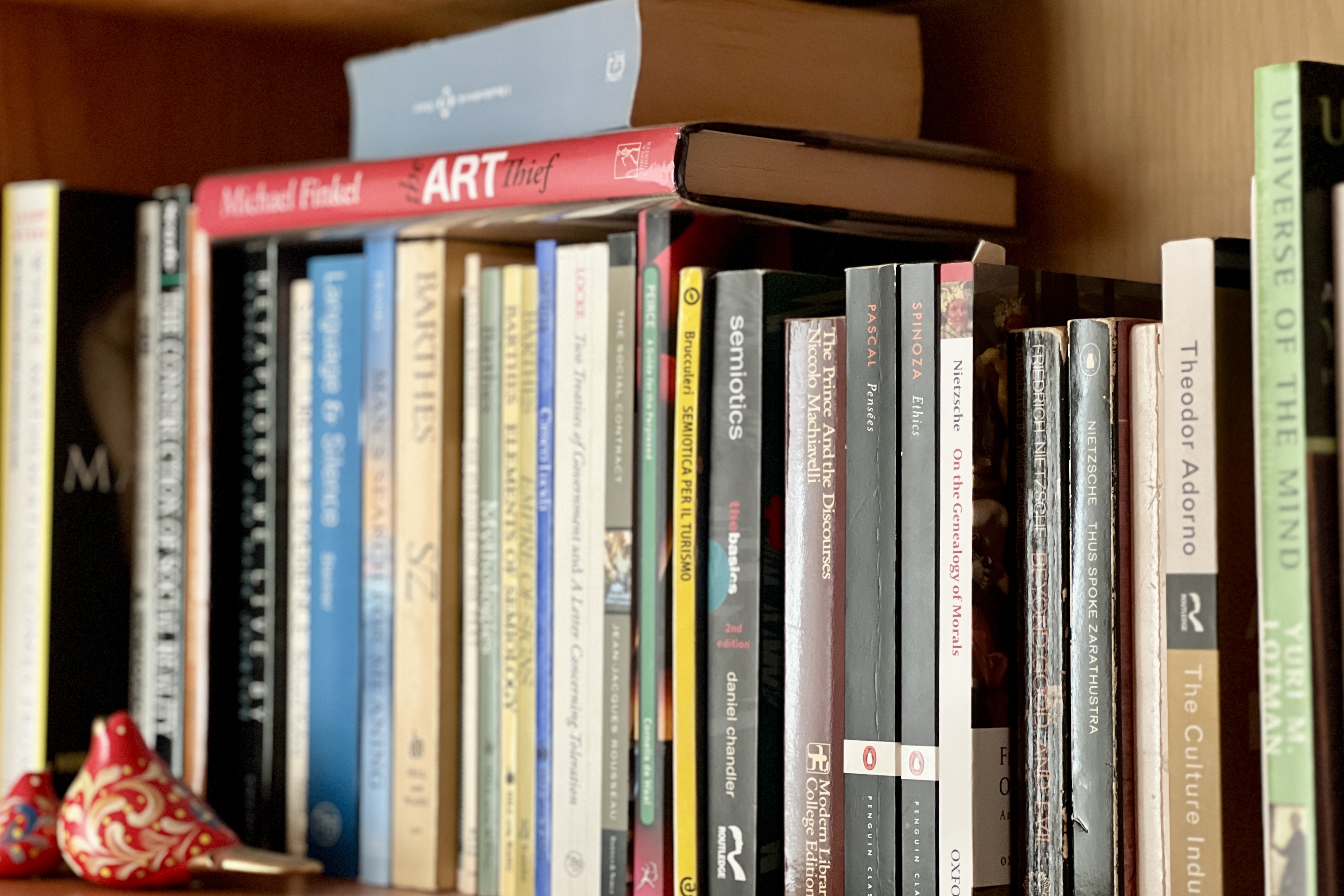



Literature, across cultures and centuries, has always offered a unique realm of liberation. It allows human beings to transcend the boundaries of time and space, to inhabit minds not their own, to imagine what has not yet been, and to feel the full stretch of their humanity. No other medium so intimately opens the interior lives of others, offering an expansion of self into the vast terrain of mutual understanding.
This is the democratic promise of literature.
But access to its freedoms is not automatic. It depends on the deliberate teaching and valuing of reading—not just as a skill, but as a way of being in the world.
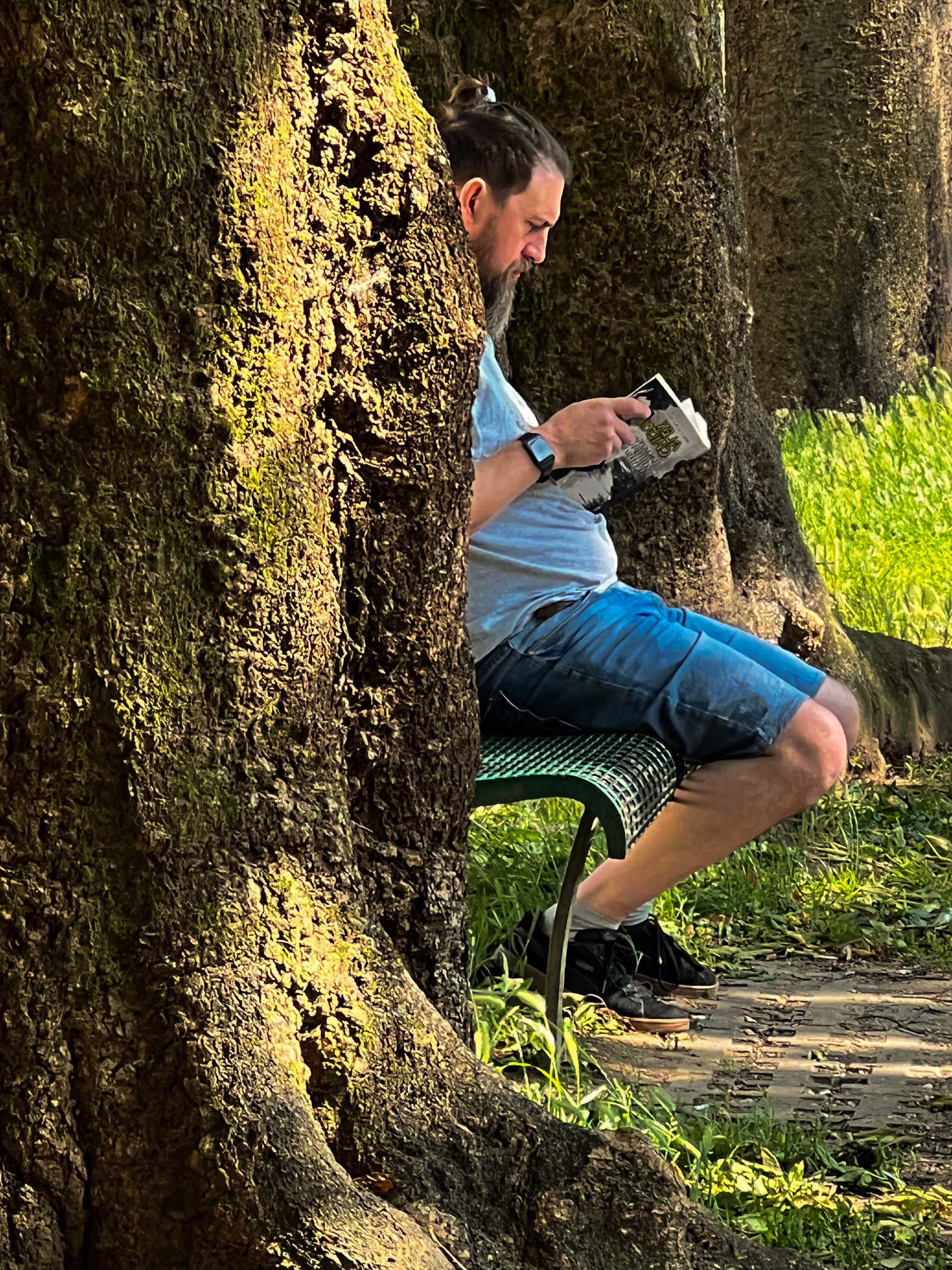

Now, at a cultural crossroads, the future of reading and literature stands uncertain. What is at stake is not merely an art form, but a vital human faculty. The decline is visible not only in younger generations, raised in the relentless glow of screens, but across all age groups. The shared capacity to engage deeply with language—and through it, with one another—is slowly being dismantled.
 Between the Lines
Leave a comment