
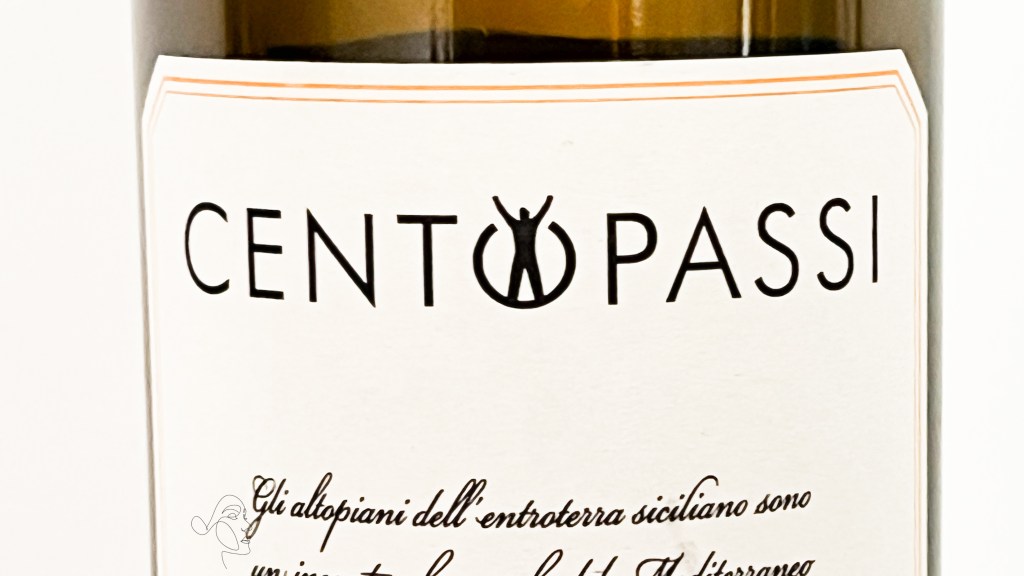
I was surprised to find at the supermarket a wine with such a name: Cento Passi (A hundred steps).
It is the title of a movie about Peppino Impastato killed by the mafia.
The movie title takes its name from the number of steps needed to walk in Cinisi to cover the distance between the Impastato family house and that of the mafia boss Gaetano Badalamenti, known as Tano.
It was a beautiful movie with a tragic story, almost predictable as the story unfolds.
Therefore here is one of the most inspiring chapters in Italy’s fight against organized crime.
“Is this really Mafia? If this is Mafia I will fight it for the rest of my life.”
Peppino Impastato
Under Italy’s anti-mafia law (Legge 109/1996), land and assets confiscated from mafiosi, once used for illicit profits, can now be repurposed for public good. These properties are often farms, olive groves, vineyards, warehouses, and villas. They’re handed over to non-profits, social cooperatives, and local governments who commit to using them for lawful, community-enhancing purposes.
These new entrepreneurs and cooperatives are part of a grassroots movement to reclaim mafia land and give it back to civil society. And yes, many of them are turning that land into organic farms and wineries, creating good wine with a powerful backstory.
Libera Terra
The most famous example is Libera Terra (“Free Land”), part of the larger anti-mafia network. Libera Terra runs organic farms, olive oil production, wine making, and even agritourism on confiscated mafia estates, especially in Sicily, Calabria, Campania, and Puglia.
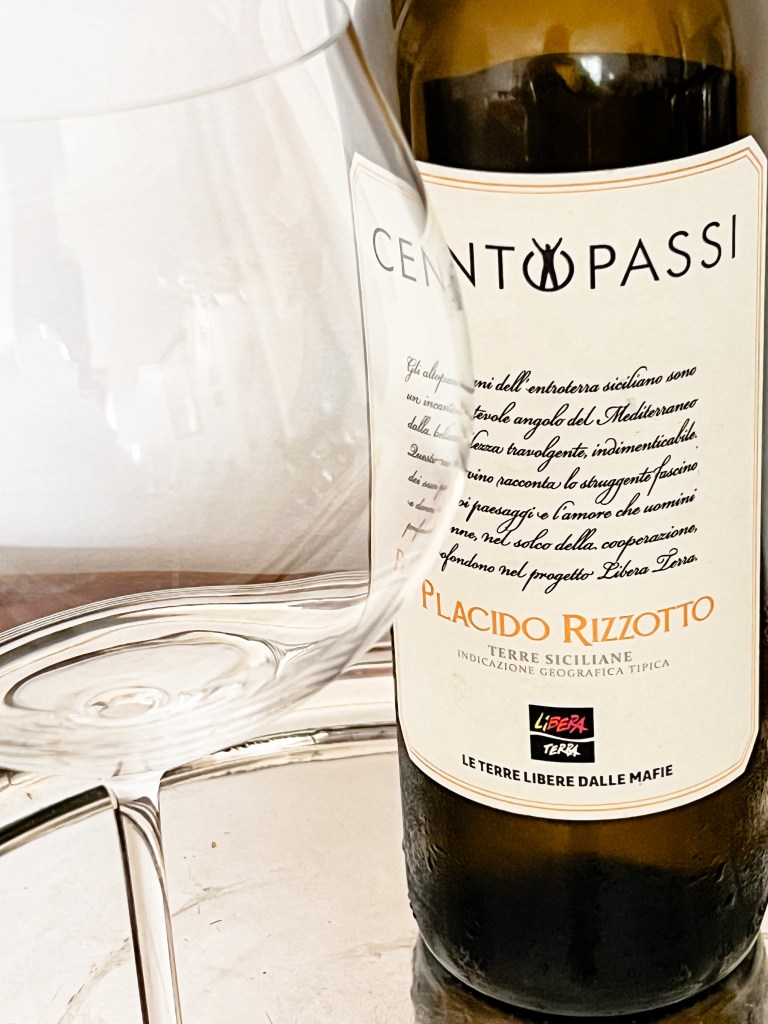
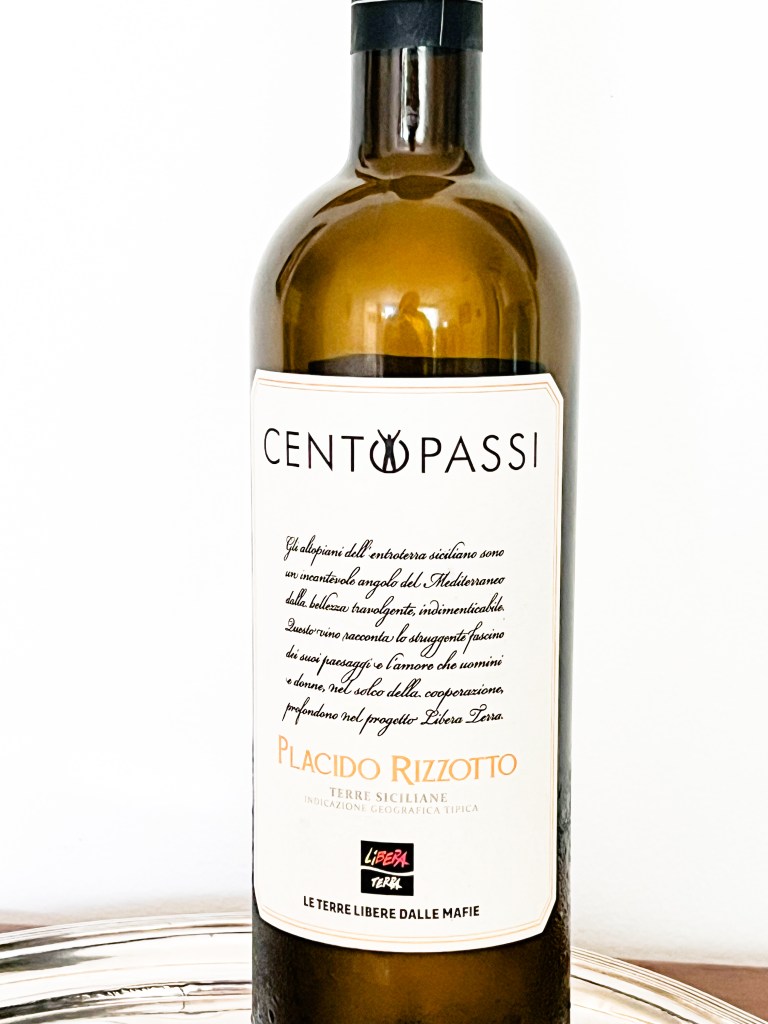
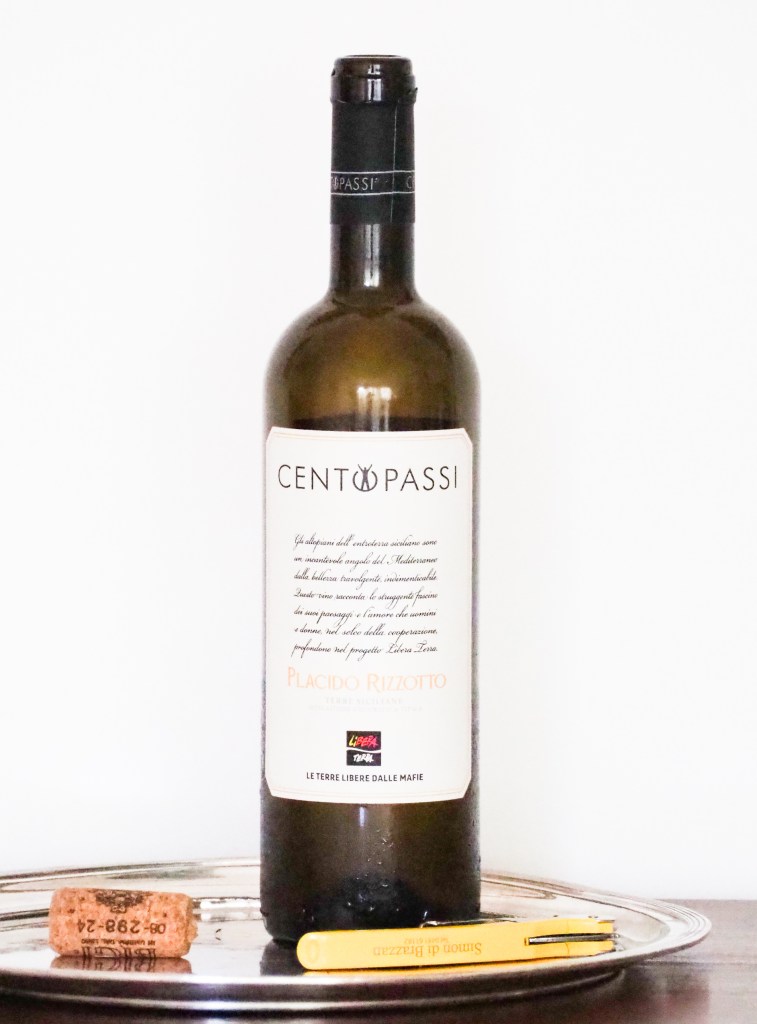
Their wine labels carry names like “Centopassi” (a reference to Peppino Impastato, anti-mafia activist murdered by the mafia) and “Placido Rizzotto” (named after a union leader killed by the mafia in the 1940s).
“This land doesn’t belong to fear anymore.”
Every bottle is both a product and a message
The vineyards are spread across the Alto Belice Corleonese, a region once dominated by the Mafia, now dominated by nature’s overwhelming beauty, with unmistakable horizons and unforgettable sunsets. These wines tell the story of each vineyard’s uniqueness, of the soils that distinguish them, and of the grape varieties that, each in their own way, enhance their character.
Centopassi wines are classified as:
The Crus: The Crus come from specific parcels of vineyards, each with characteristics that bring out the best in the grape variety. They are their way of interpreting the land, tradition, and the vine itself. These are wines that mature slowly and, once bottled, all show great aging potential.
The Blends: Giato wines are made exclusively from the most iconic native grape varieties of western Sicily. Their name comes from the ancient district that once surrounded the magnificent Greek theatre on Mount Jato, a site overlooking the valley of the Jato River, the Belice Plateau, and the most important core of the Centopassi vineyards.
The Placido Rizzotto Wines: The Placido Rizzotto wines embody the very soul of the Centopassi project. They come from nearly all of the available vineyards and best express their approach and style. The producers are proud of them, because they demonstrate how it’s possible to achieve outstanding quality even in larger volumes and, above all, at a remarkably accessible price point.
Nero d’Avola DOC Sicilia 2024: The highlands of Sicily’s interior are a stunning corner of the Mediterranean, powerfully beautiful and unforgettable. This wine conveys the aching charm of these landscapes and the love poured into the Libera Terra project by the men and women who work there in the spirit of cooperation.
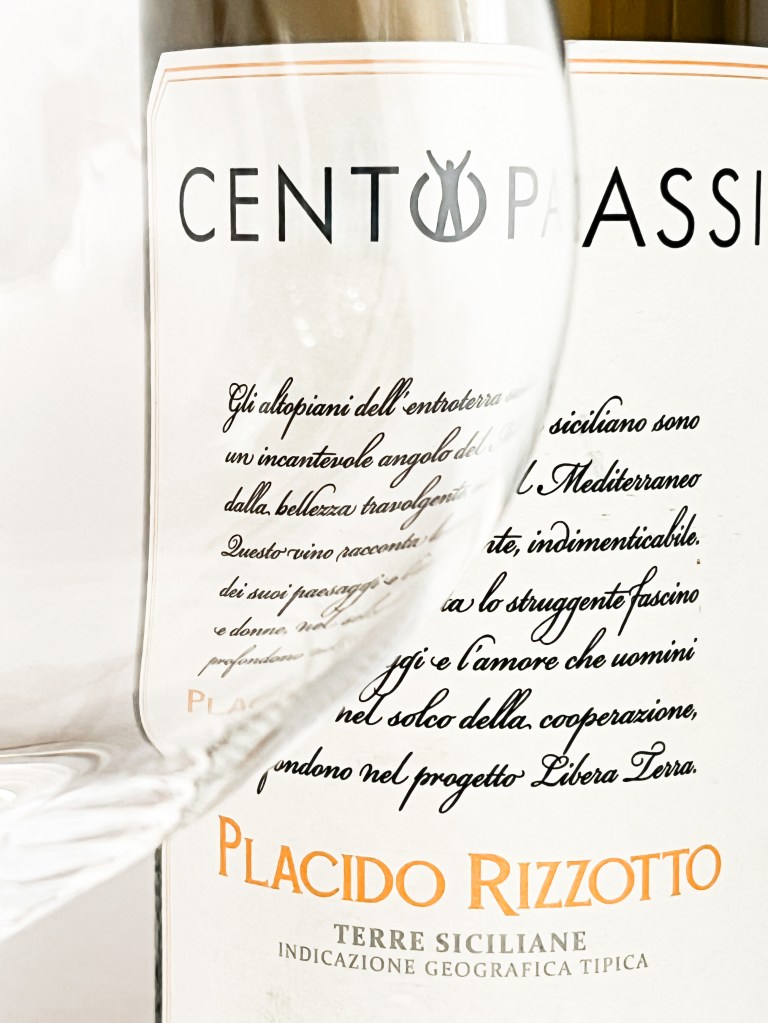
This wine is dedicated to Placido Rizzotto, the union leader from Corleone who gave his life to free his land from mafia oppression, and to Giuseppe Letizia, the young shepherd boy killed for having accidentally witnessed Placido’s murder.
A New Kind of Business Ethic
These entrepreneurs hire locals fairly, educate youth on legality and civic engagement, often work in cooperatives, and bring transparency and sustainability to regions once dominated by omertà (code of silence). It’s difficult work. They face threats, sabotage, and political indifference, but they’re stubborn, idealistic, and often successful.

So yes, you can literally drink a glass of anti-mafia wine. It’s not just delicious, it’s a symbol. A toast to justice, courage, and resilience.
 Between the Lines
Leave a comment