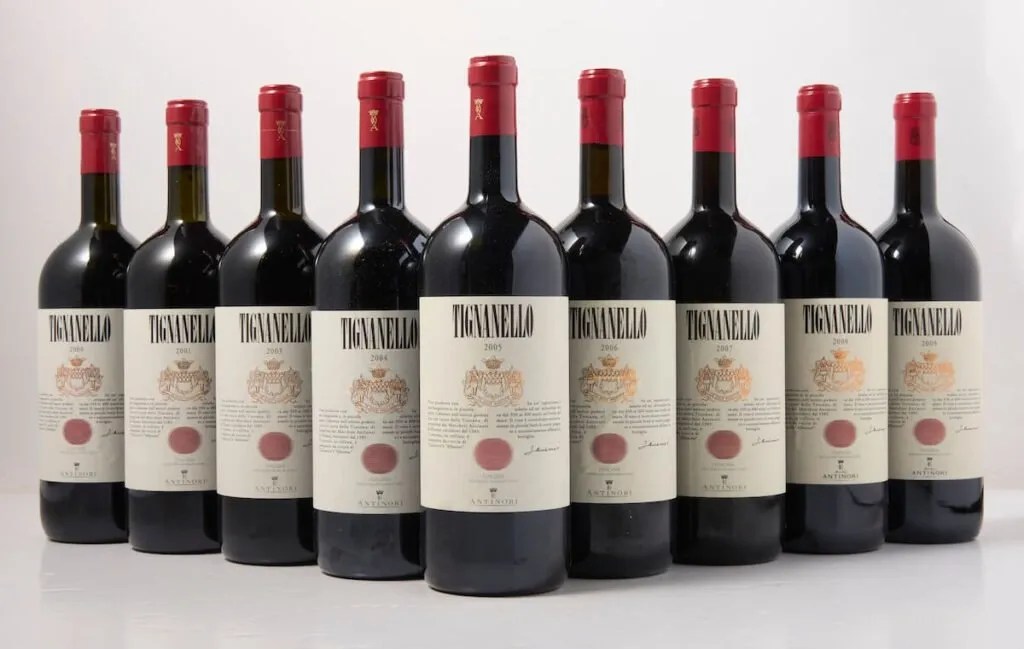
Before the tiaras, before the tabloids, and before the titles, Meghan Markle was simply a young actress trying to find her voice—and sharing her world through a lifestyle blog she called The Tig.
For those who stumbled upon it before it quietly vanished, it offered a glimpse into a curious, thoughtful woman with a sharp eye for style, good food, good books… and very good wine.
The name “The Tig” wasn’t a random invention. It came from Tignanello, Meghan’s favorite wine—an elegant, full-bodied red from Tuscany that commands both attention and price. In her own words, tasting it was a revelation, “like getting it”—a moment of grown-up sophistication, of understanding the artistry behind wine. Long before she became the Duchess of Sussex, Meghan was already fluent in the finer things in life.
The Tig was her homage to that sensibility.

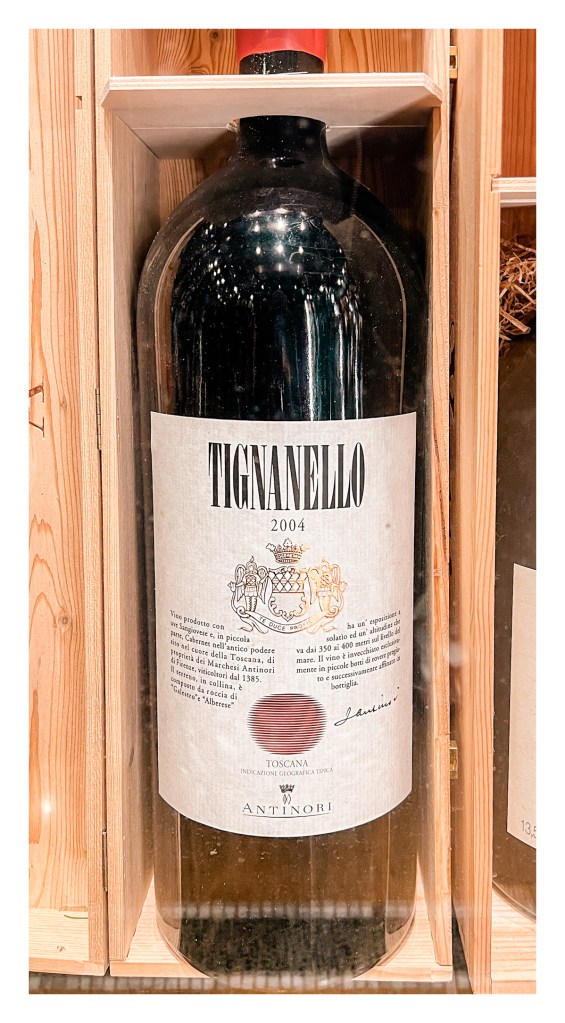
Diana’s Place – Roma – un ristorante della Guida MICHELIN
An original fusion of bistro and wine bar–Selected by the Michelin Guide 2024, Diana’s Place Bistrot Roma is a temple of wine and a venue with a multifaceted personality. A unique blend of bistro and enoteca, set in an elegant, historically flavored atmosphere—a meeting point of cultures, flavors, and knowledge.
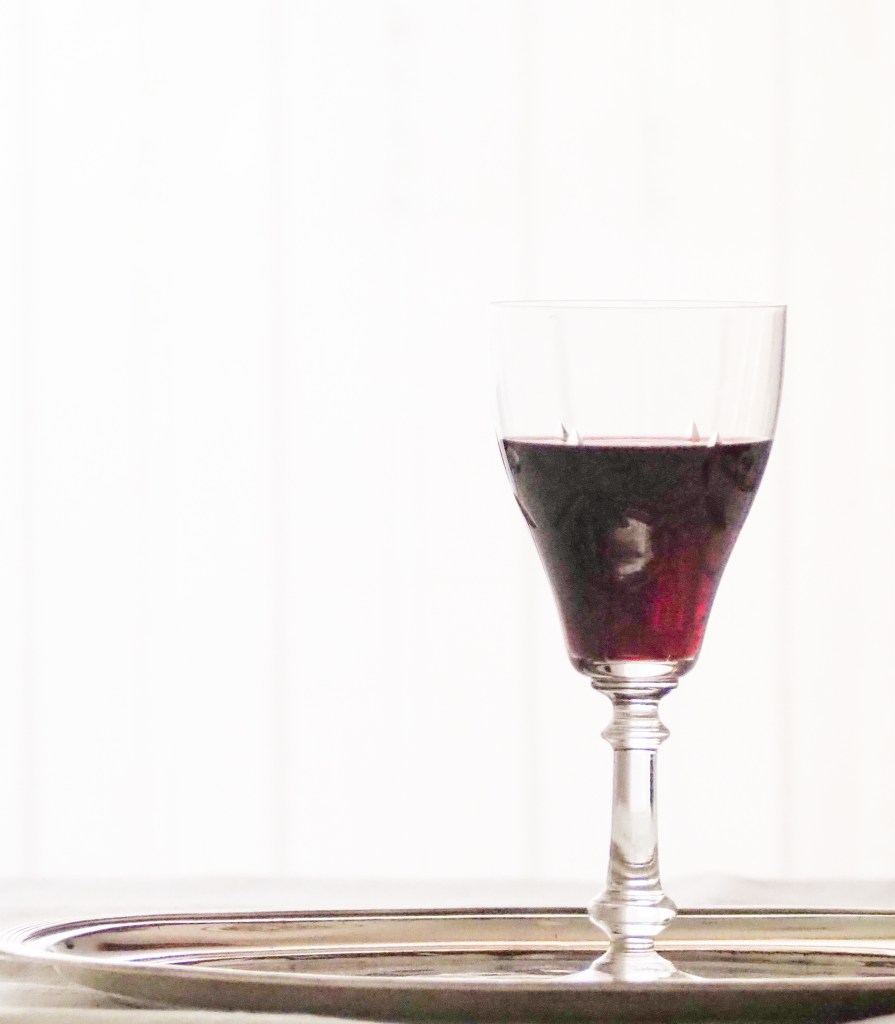
But let’s turn the spotlight now to the wine that inspired it all.
Tignanello: Tuscany’s Modern Classic
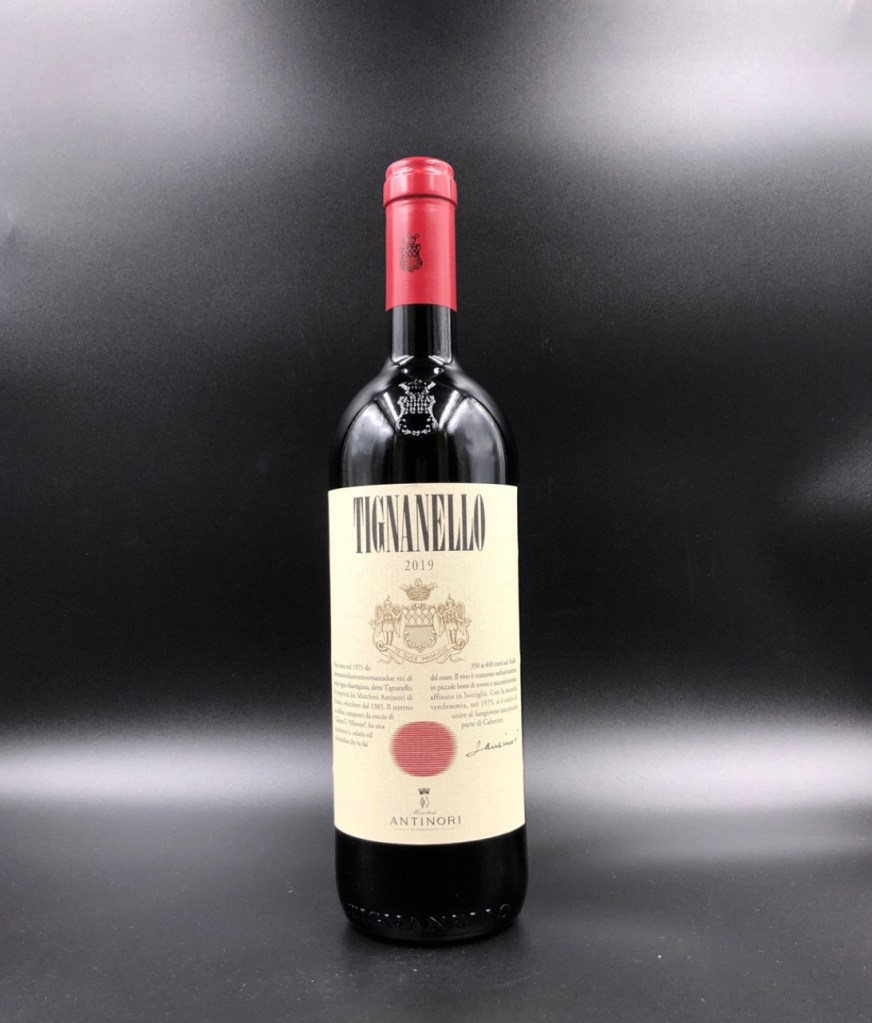
Tignanello isn’t just a wine. It’s a statement. A pioneering force in winemaking, it comes from the famed estate of Marchesi Antinori, a family whose roots in viticulture go back to 1385—a lineage almost regal in its own right. No other Italian wine name carries quite the same gravitas, and few bottles have reshaped the rules with such style.
Created in the early 1970s, Tignanello was one of the first so-called “Super Tuscans”, a label given to wines that rebelled against the restrictive rules of traditional Chianti production. It was the first Sangiovese aged in barriques, the first to blend in non-native grapes like Cabernet Sauvignon and Cabernet Franc, and one of the earliest Chianti-region reds to forgo white grapes entirely. In short, it broke all the rules—and set a new gold standard.
Every vintage is a quiet revolution.
The wine is crafted with care: primarily Sangiovese (about 80–85%), with just enough Cabernet Sauvignon and Cabernet Franc to deepen its complexity. After about a year in oak barrels, it’s bottled and left to refine, emerging as something both bold and graceful.
A Glass of Depth
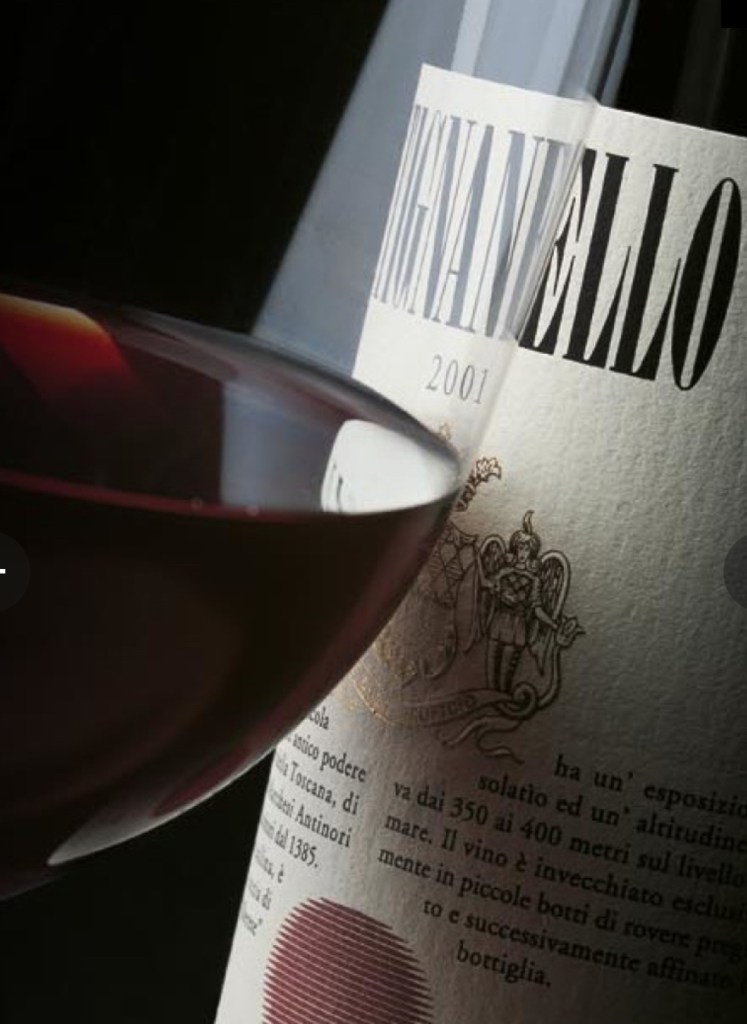
In the glass, Tignanello is a deep ruby red with a flirtatious flicker of violet. On the nose: ripe plum, dark cherry, whispers of licorice and mint. There’s tension here, but also elegance—an unfolding of flavors that feels both measured and magnetic. On the palate, it’s rich, layered, and harmonious. Acidity and tannin play together like seasoned actors, giving it structure without stealing the scene.
The finish? Long, savory, and a little bit unforgettable.
Tignanello doesn’t need a grand occasion to shine, but it deserves one. It pairs beautifully with roasted meats, game, and other hearty fare. Still, for many, sipping it alone, in good company or deep in thought, is part of its quiet magic.
A Few Things to Know
Tignanello hails from the Tenuta Tignanello estate, nestled in the Chianti Classico region of Tuscany. The first vintage was 1971, and since then, it’s become one of the most coveted Italian reds on the market, with prices ranging from $100–150+ depending on vintage and scarcity.
And if you’re wondering what else drinks like Tignanello, its cousins in the Super Tuscan family are your best bet. Think Solaia (also from Antinori, richer and more Cabernet-driven), Ornellaia, or Sassicaia—wines that carry a similarly international polish with unmistakable Tuscan soul.
For a more wallet-friendly taste of the same style, wines like Il Bruciato, Le Serre Nuove dell’Ornellaia, or Brancaia Il Blu can be wonderful alternatives. They may not have Meghan’s stamp of approval, but they speak the same language.
In the End
When Meghan Markle chose The Tig as her blog’s name, she wasn’t just picking a wine—she was choosing a symbol of taste, elegance, and confidence. She didn’t know then where life would take her. But she knew a great wine when she tasted one.
And really, isn’t that the kind of intuition we all wish we had?
 Between the Lines
Leave a comment