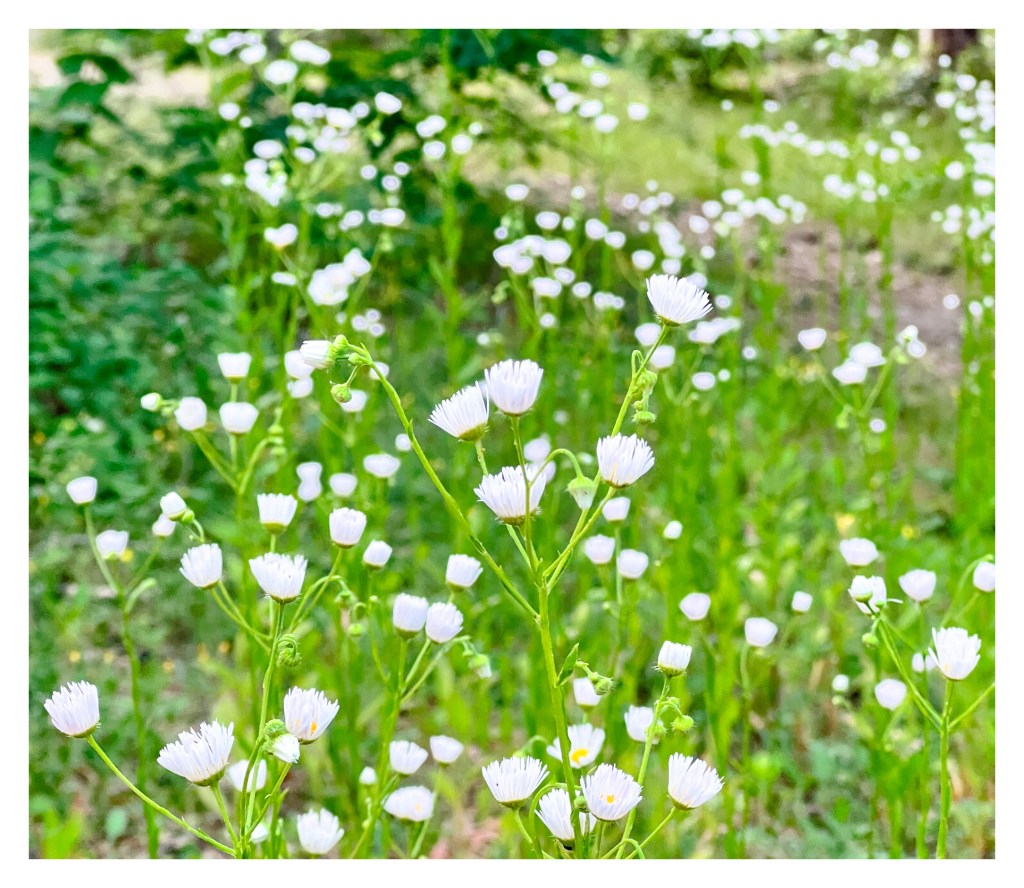
There exists a peculiar irony in the relationship between humans and the natural world: the very thing that promises to restore energy and enthusiasm becomes increasingly difficult to pursue as life’s demands accumulate. The early morning walk, that simple act of stepping into dawn’s embrace, transforms from daily ritual to occasional luxury, victim to the tyranny of commitments, fatigue, and the gradual erosion of motivation.
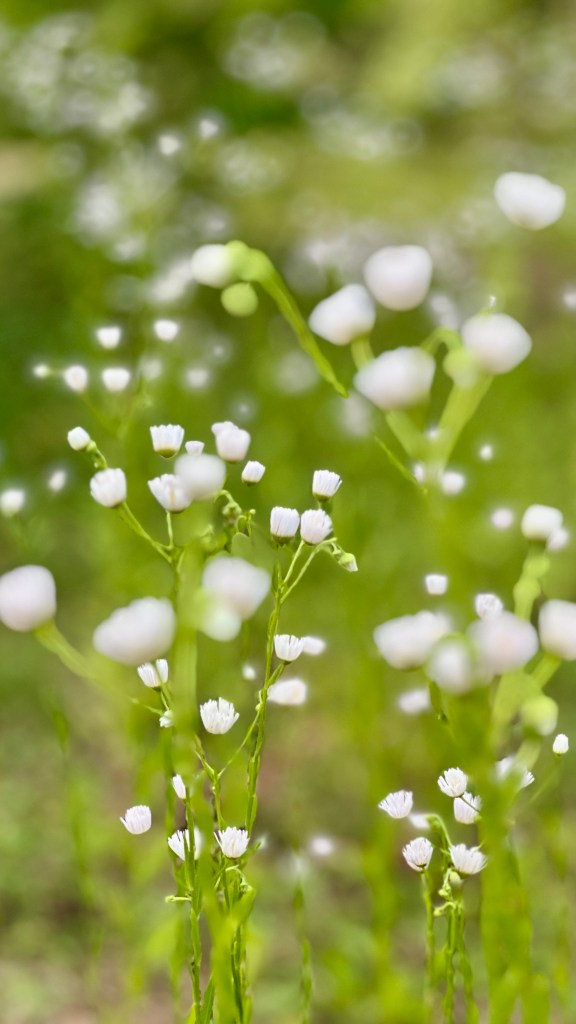
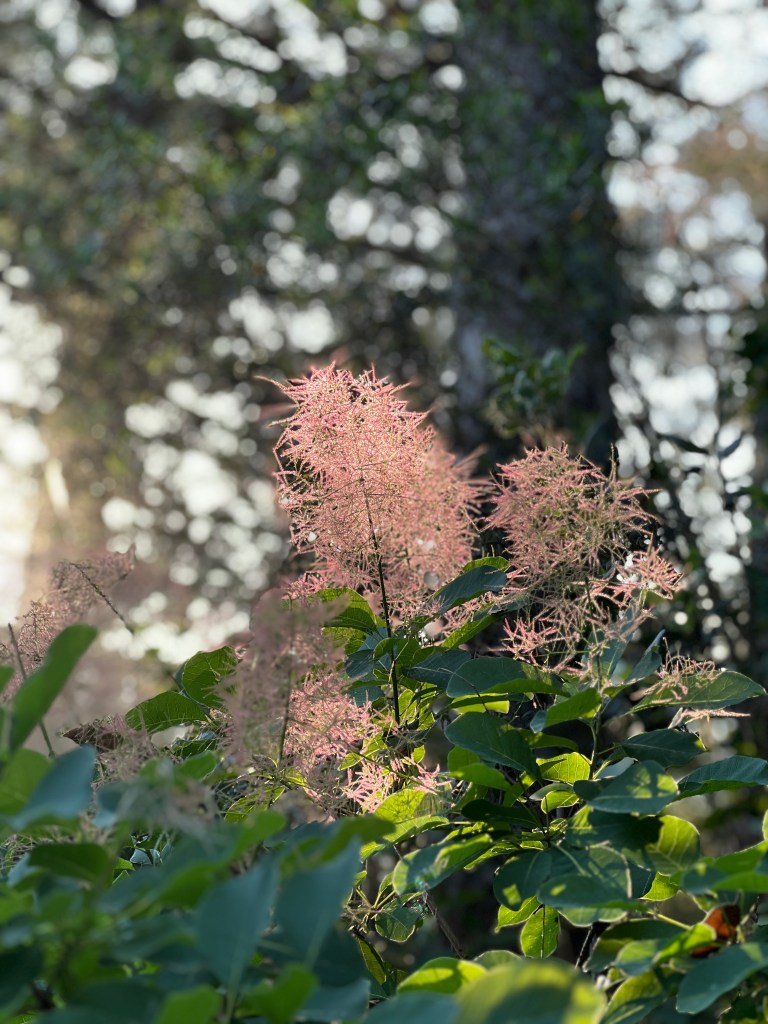
This creates a feedback loop worthy of philosophical consideration—the less one ventures into nature, the less inclined one becomes to do so. It’s as if the natural world operates on a subscription model: miss too many payments of attention, and access to wonder becomes mysteriously restricted.
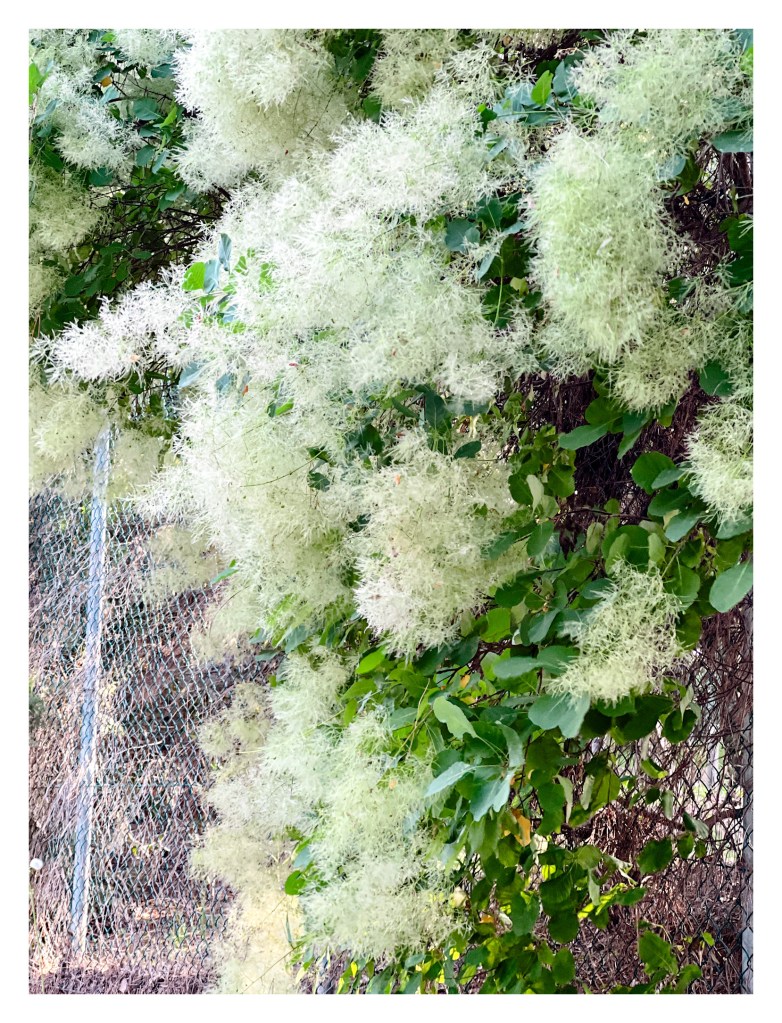
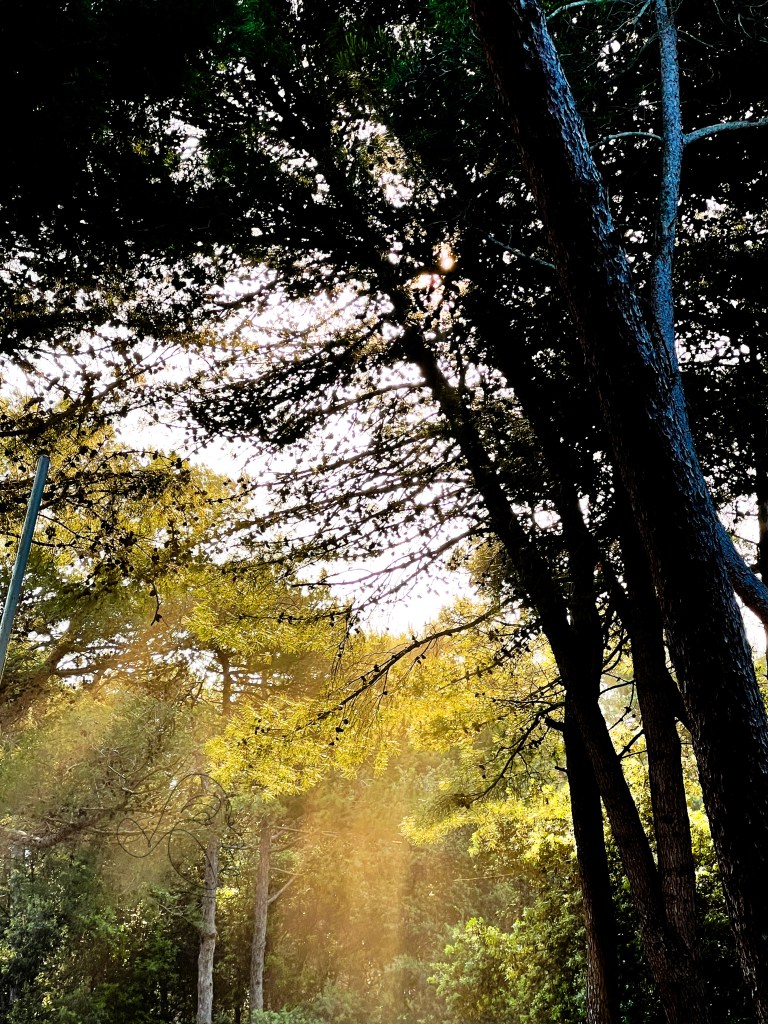
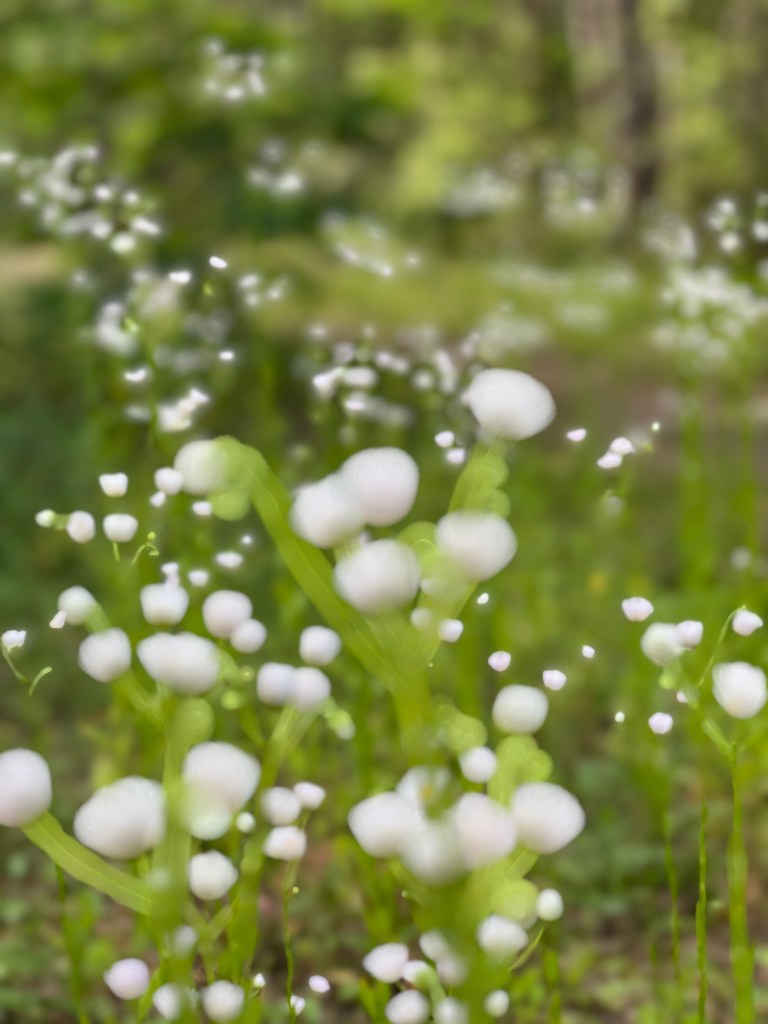
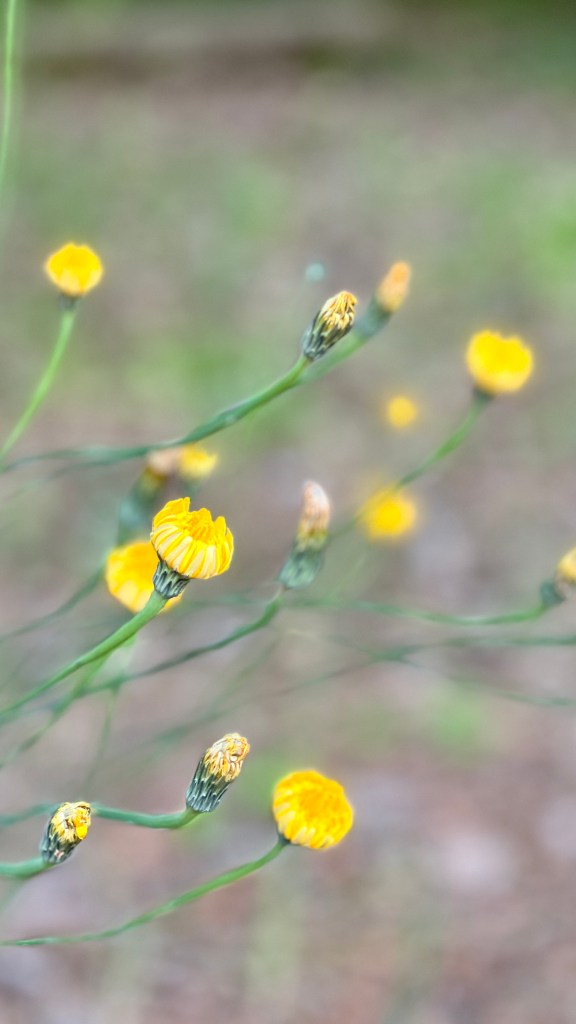
Yet those who manage to breach this cycle discover that the morning hours offer dividends that would make any investment advisor weep with envy. The photographer emerges with a portfolio of light that no studio could replicate. The botanically curious find themselves face-to-face with the brave early bloomers—those audacious plants that dare to flower before the world has properly awakened, as if nature enjoys keeping secrets from late risers.
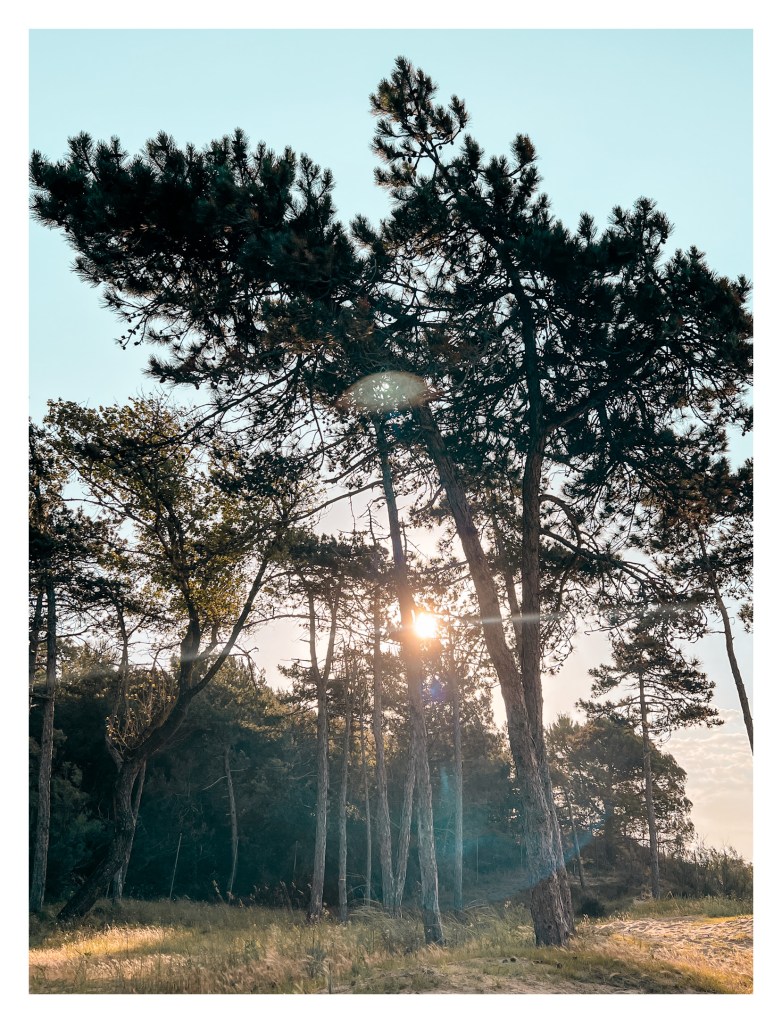
Then there are the musicians of the morning: the Song Thrush (Turdus philomelos) typically pairs with the Blackcap (Sylvia atricapilla) in acoustic collaboration, their melodies weaving through the crisp air like an impromptu chamber concert. When fortune smiles, the European Serin (Serinus serinus) and the Nightingale (Luscinia megarhynchos) join this avian ensemble, transforming the dawn chorus into a symphony.
These early hours belong entirely to those who, despite the gravitational pull of warm beds and mounting obligations, choose to claim their stake in the day’s first peaceful moments. It’s a decision that rewards the participant with a form of restoration that no amount of caffeine or social media scrolling can provide—a reminder that sometimes the most radical act is simply stepping outside to listen.
 Between the Lines
Leave a comment