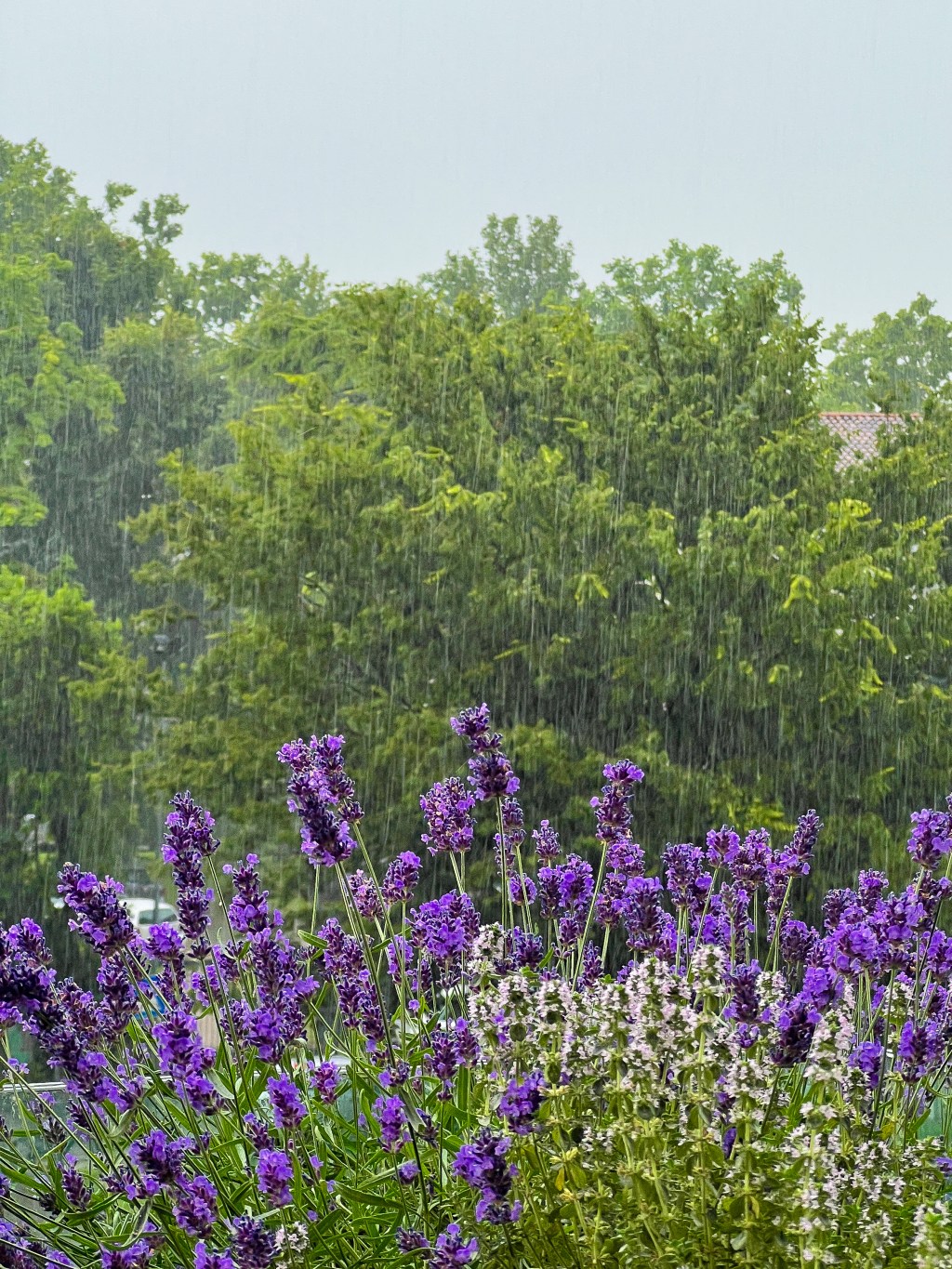
When Gray Skies Tell a Different Story
Not everyone will agree that a rainy day qualifies as beautiful. The verdict often depends on mood, plans, or whether you’ve just washed your car. But spring rain? That’s nature writing poetry with water droplets, and those who pause to read it discover something extraordinary.
The Magic of a Spring Downpour
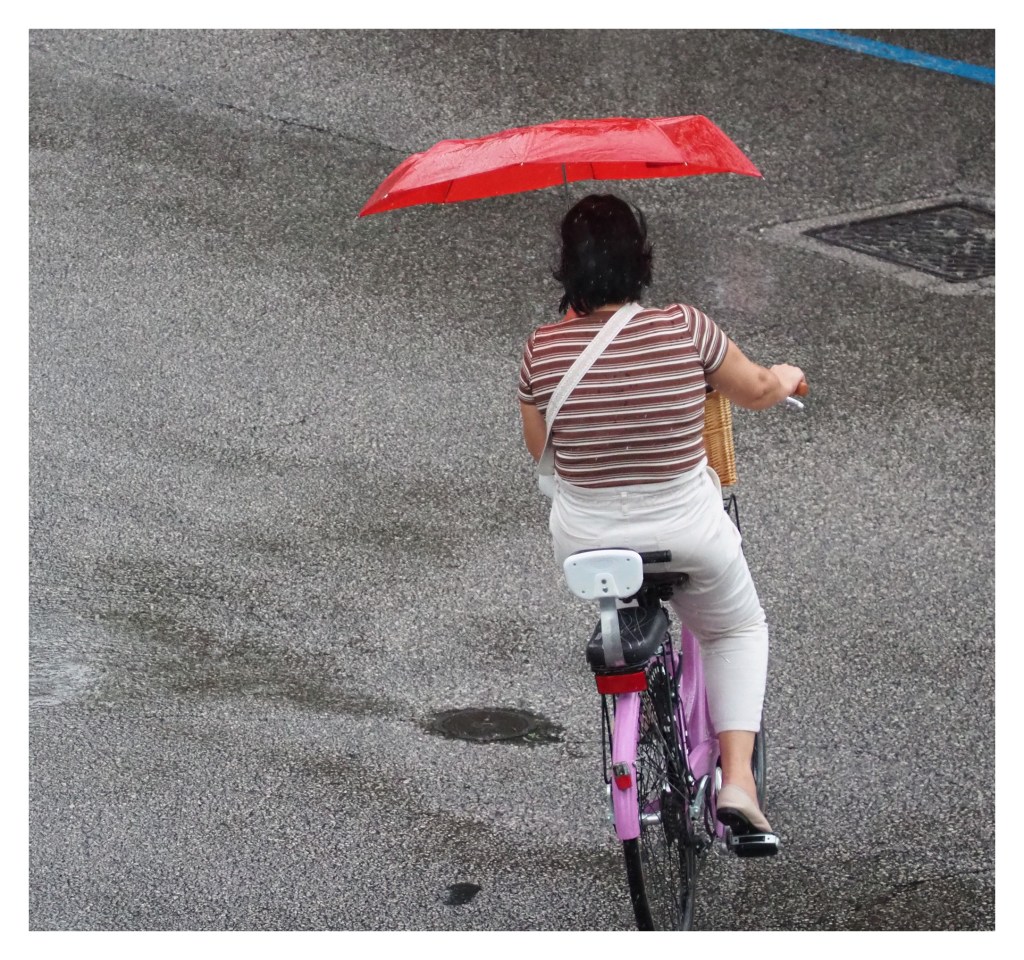
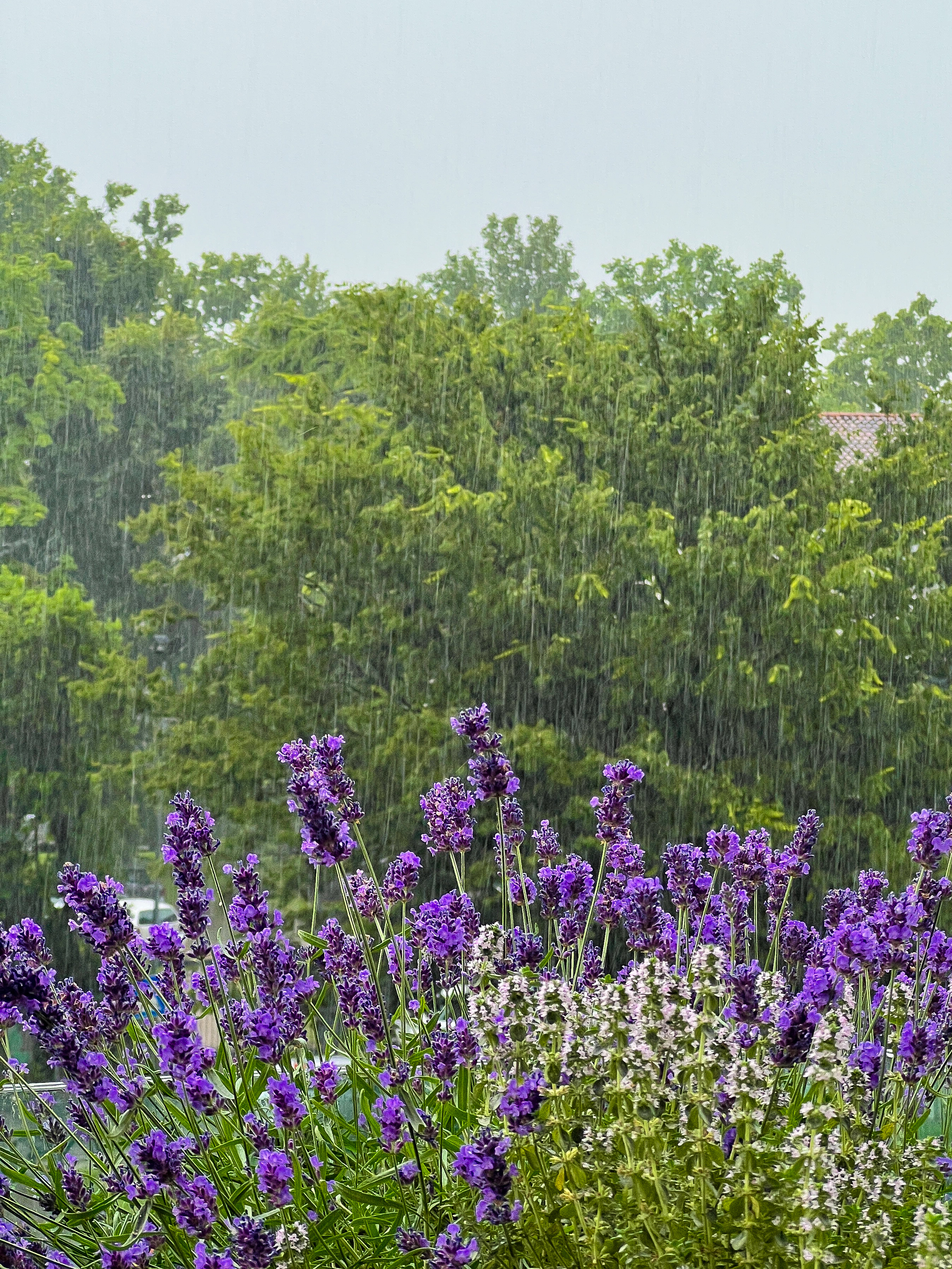
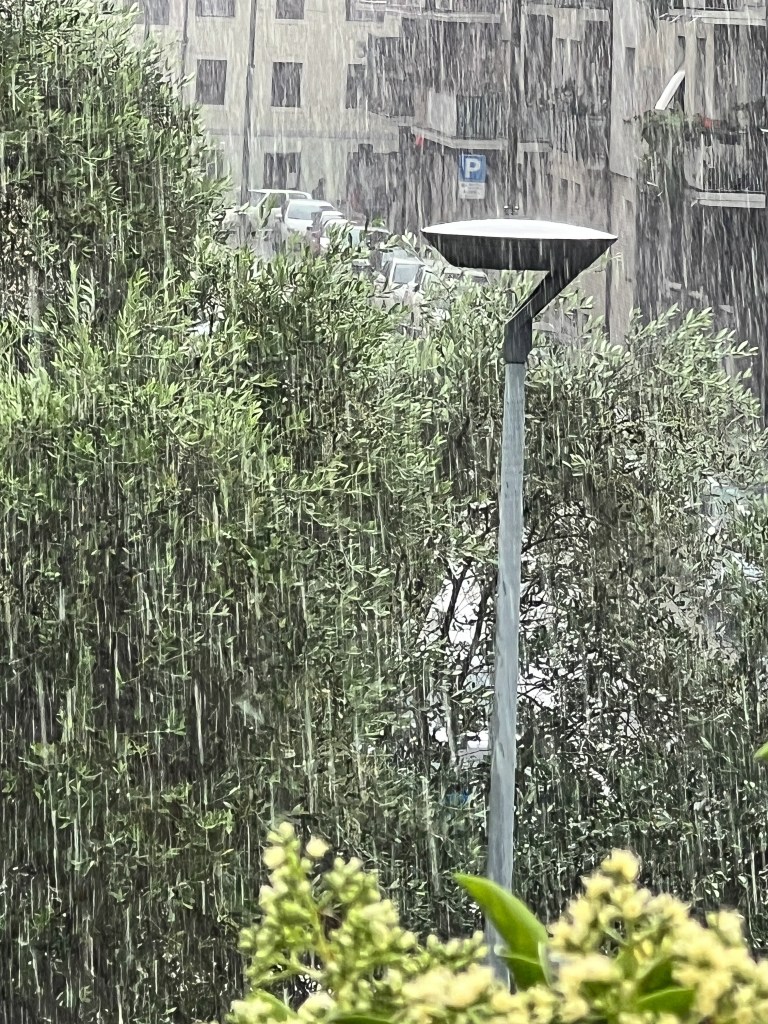
Watch what happens when rain begins to fall on a spring day. The air transforms instantly—that sudden coolness brings a freshness that no air conditioning can replicate. Humidity drops, and suddenly breathing feels like a luxury rather than a chore.
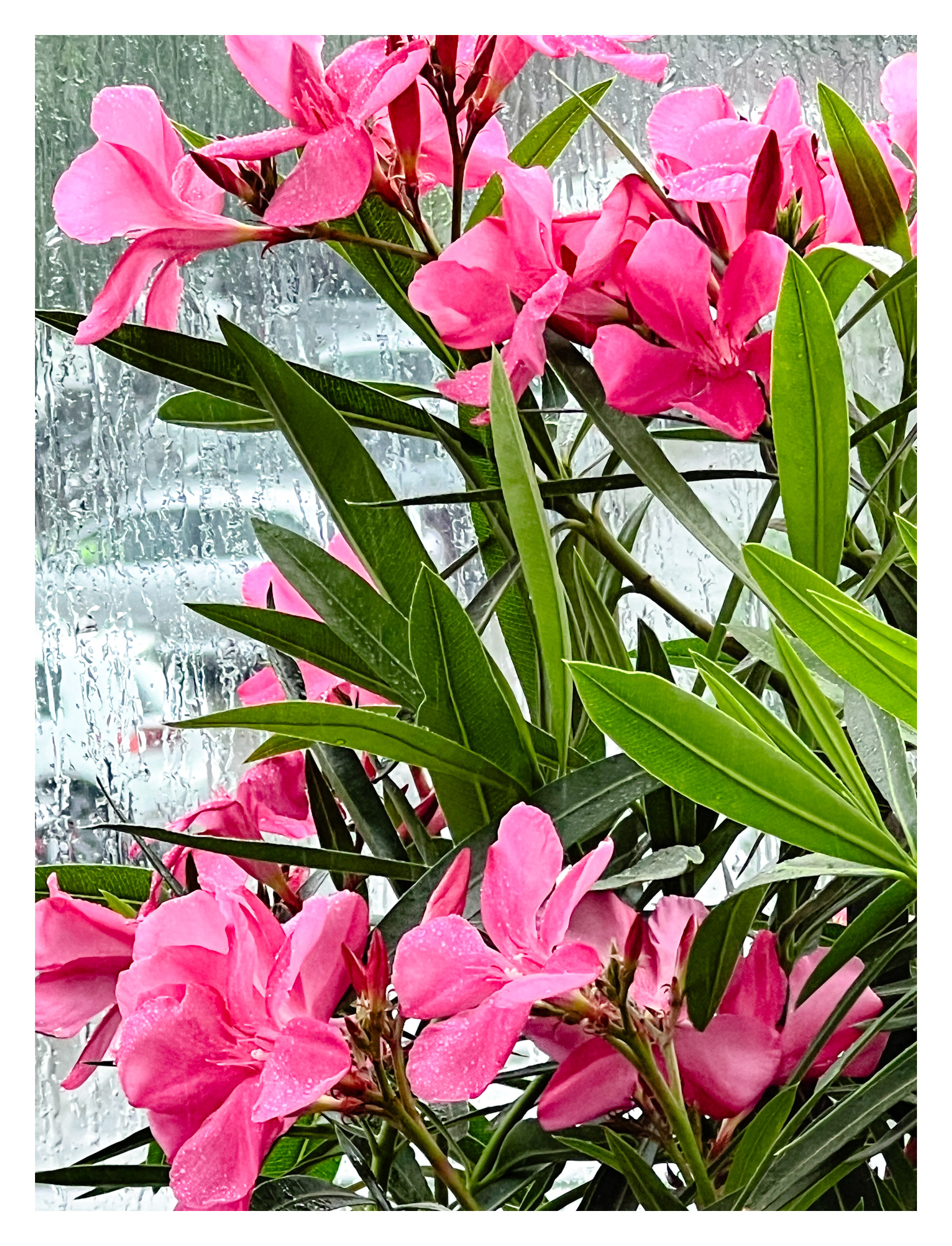
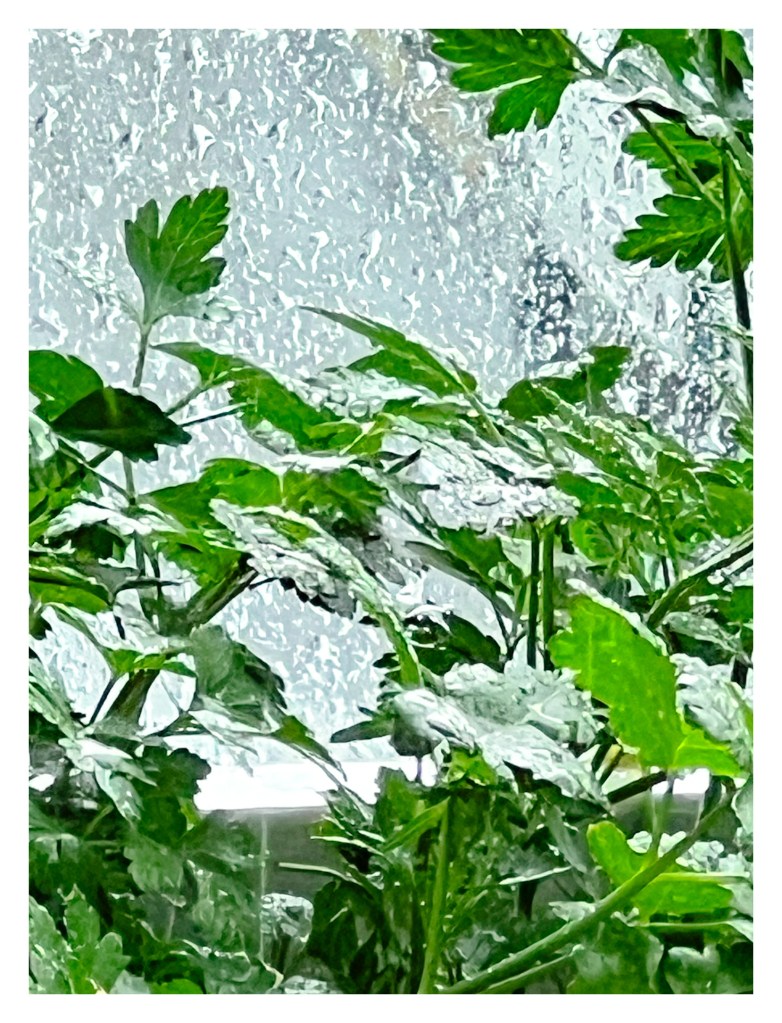
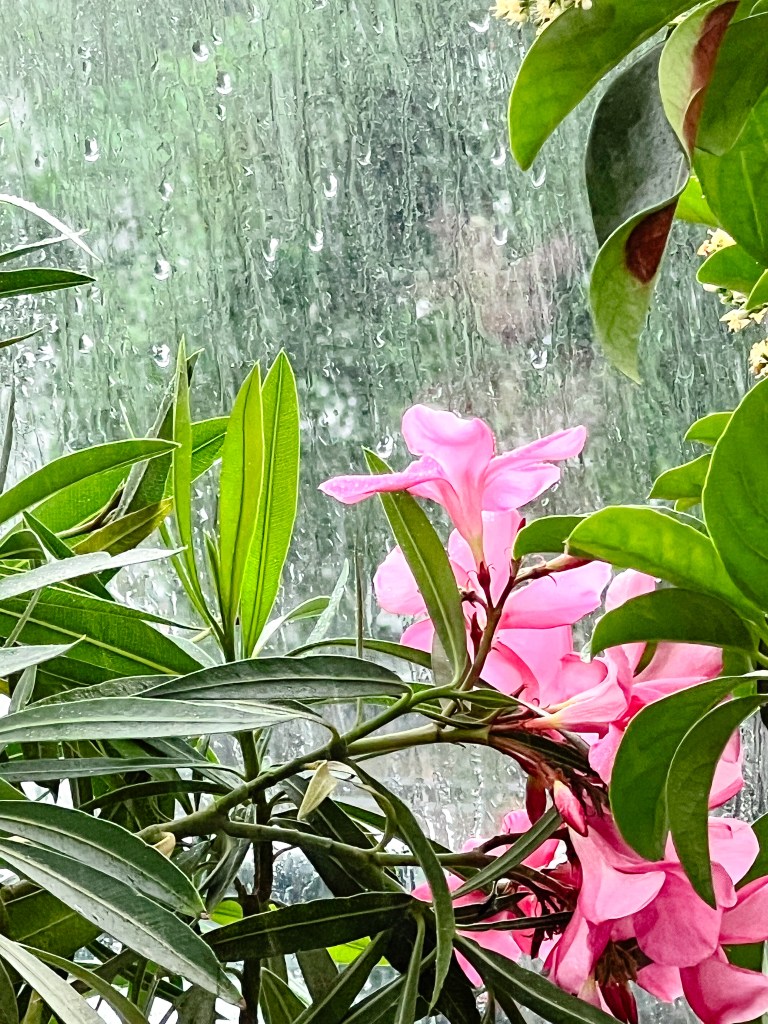
But here’s where it gets interesting: plants don’t just tolerate the rain; they practically throw a celebration. Leaves seem to stretch upward, as if trying to catch every precious drop. Flowers that looked demure moments before now stand tall, opening themselves to the sky like green-thumbed optimists who’ve been waiting all week for this moment.

The Great Avian Intermission
During the storm itself, something curious happens in the bird world—silence. Our feathered neighbors, normally the neighborhood’s most reliable chatterboxes, suddenly go quiet. They’re not being dramatic; they’re being smart. Energy conservation during rough weather is serious business when you weigh less than a smartphone.
But then comes the moment every nature lover lives for: the aftermath.


Nature’s Standing Ovation
As soon as the last raindrops fall and safety returns, something magical erupts—a sudden, almost explosive burst of birdsong that fills the air like nature’s own standing ovation. This isn’t just poetic metaphor; there’s fascinating science behind this aerial concert.
Territory Reclamation: After weathering the storm, birds quickly reassert their presence. Each song is essentially a feathered declaration: “Still here! Still in charge of this particular patch of paradise!”
Acoustic Advantage: Here’s where physics meets biology beautifully. Post-rain air is often still and humid, creating perfect conditions for sound travel. Birds, being far more practical than we give them credit for, recognize this acoustic advantage and belt out their songs with extra enthusiasm, knowing their voices will carry farther than usual.

From Vienna Woods to Your Backyard
This phenomenon clearly captivated more than just casual nature observers. Beethoven, during his time in Vienna, must have witnessed exactly this sequence—the drama of the storm followed by nature’s triumphant return to song. His Pastoral Symphony captures this progression so perfectly that you can almost feel the raindrops and hear that post-storm celebration in the music.
The final movement of the Pastoral doesn’t just describe a thunderstorm; it celebrates the joy that follows it, complete with what sounds remarkably like our avian friends’ exuberant return to their regular programming.
 Between the Lines
Leave a comment