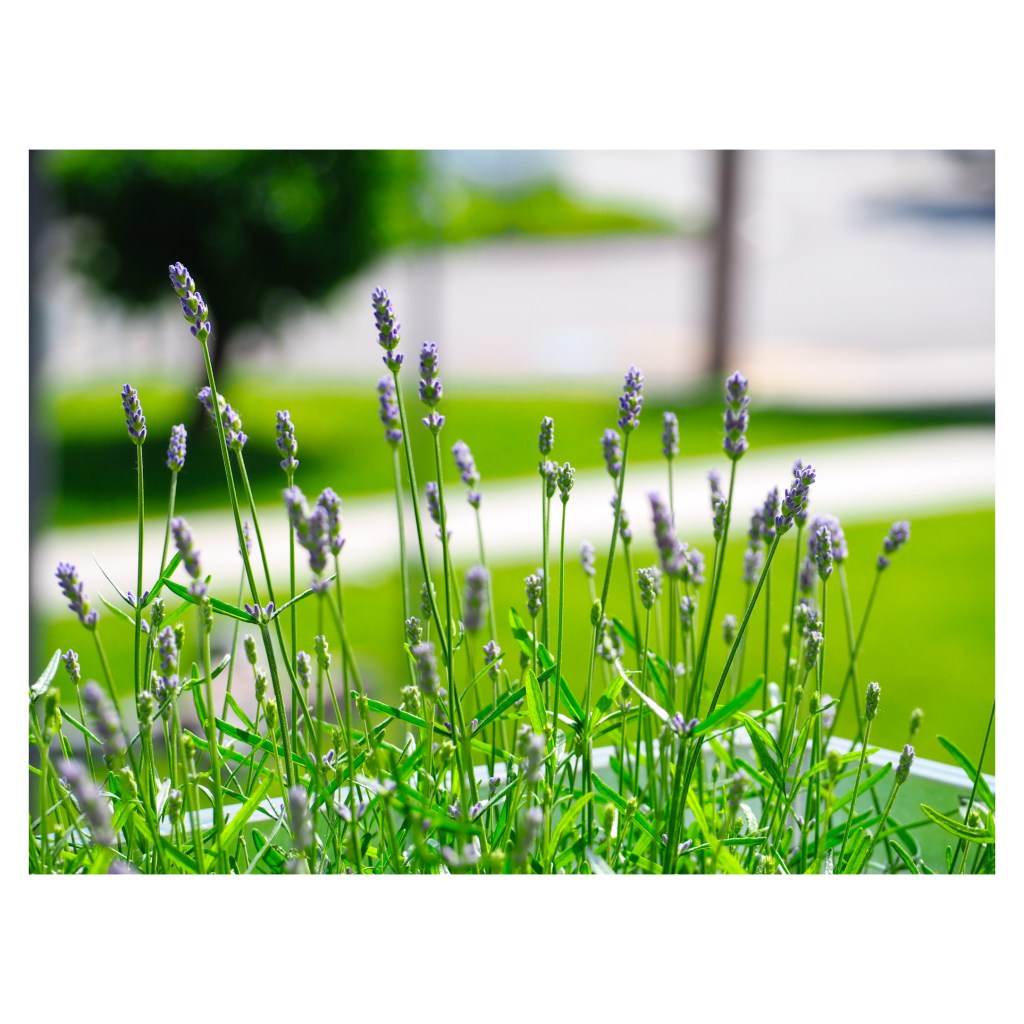
In the quiet geometry of a city balcony, nature waits for an invitation. Not the clipped order of manicured lawns or imported blooms, but something wilder, messier—something alive. A birdgarden, even in the smallest space, follows a different rhythm. It doesn’t aim to impress with symmetry or sterile perfection. It listens to the patterns of native life, echoing thickets and hedgerows lost to plows and pavement.
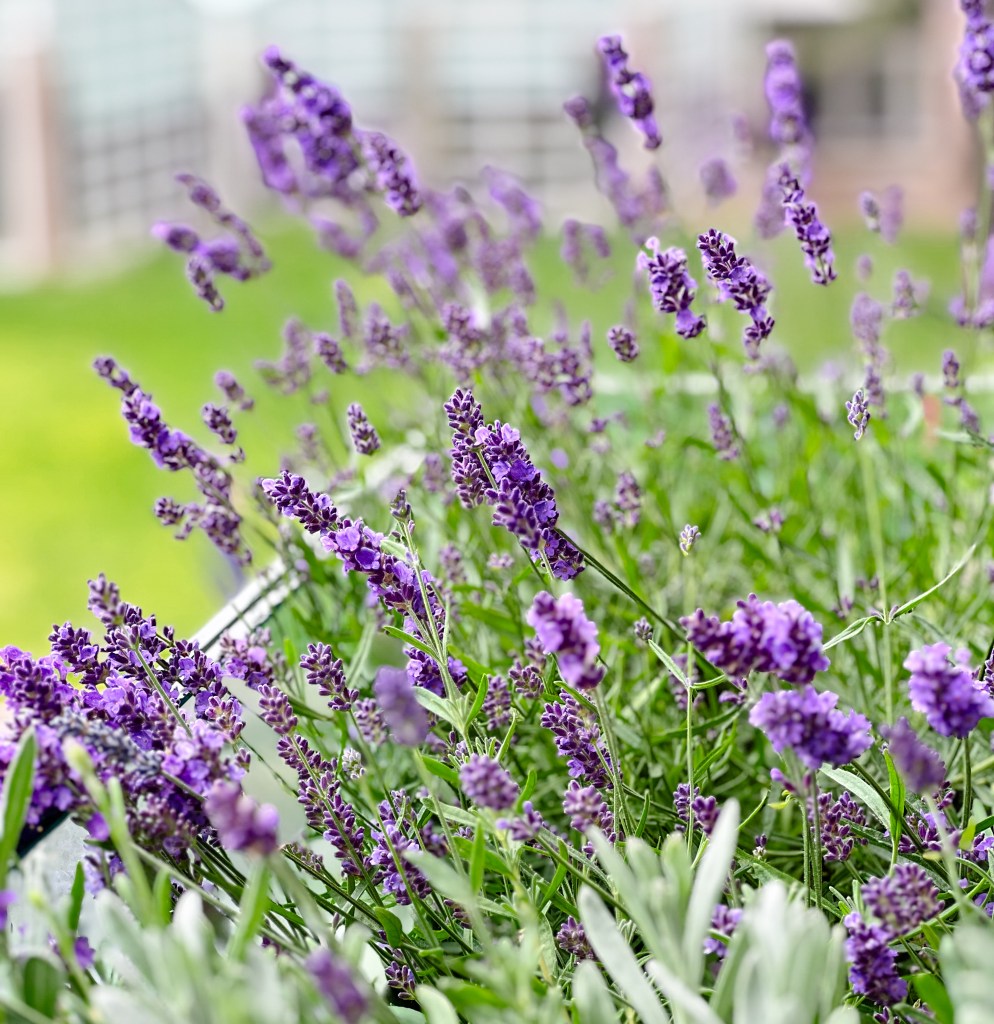
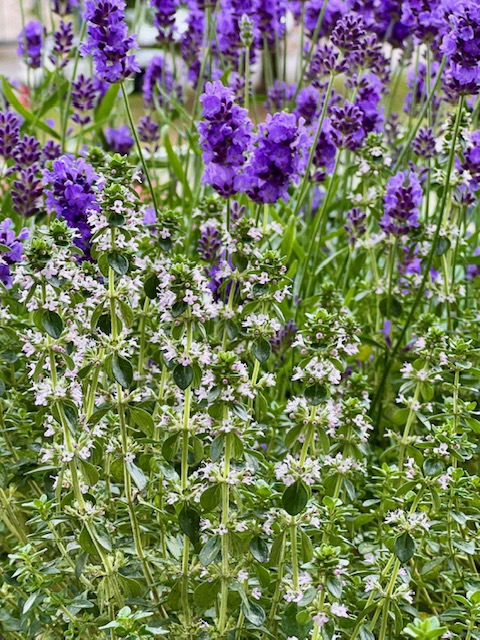
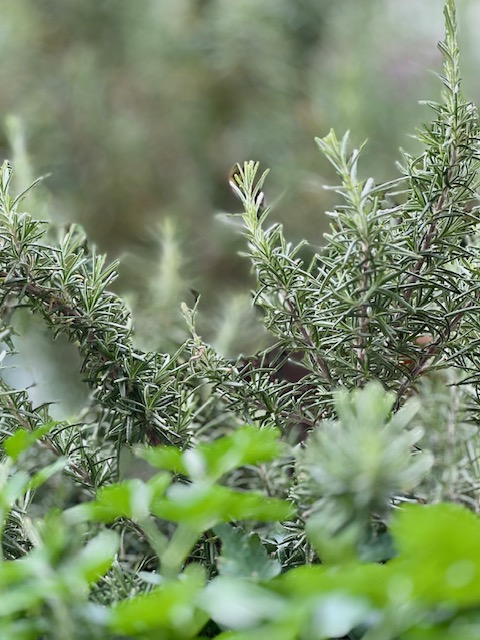
Native plants are the heart of it. They are resilient companions, thriving in their home climate with minimal coaxing. They ask for little and give much: they survive the heavy rains and the dry spells, settle in with little watering after a few seasons, and withstand the shifting moods of climate better than birches or pines imported from elsewhere. They cost less too, though their value cannot be measured in euros alone.
Some think the city is too harsh, too noisy for wildlife. But it is the opposite. The countryside, stripped of hedges and trees, offers less and less to wild creatures. So they come to us. Peregrine falcons nest atop Milan’s Pirellone skyscraper; starlings roost in city trees, having lost their rural ones. With fewer predators and no hunters, the city has become an accidental refuge.
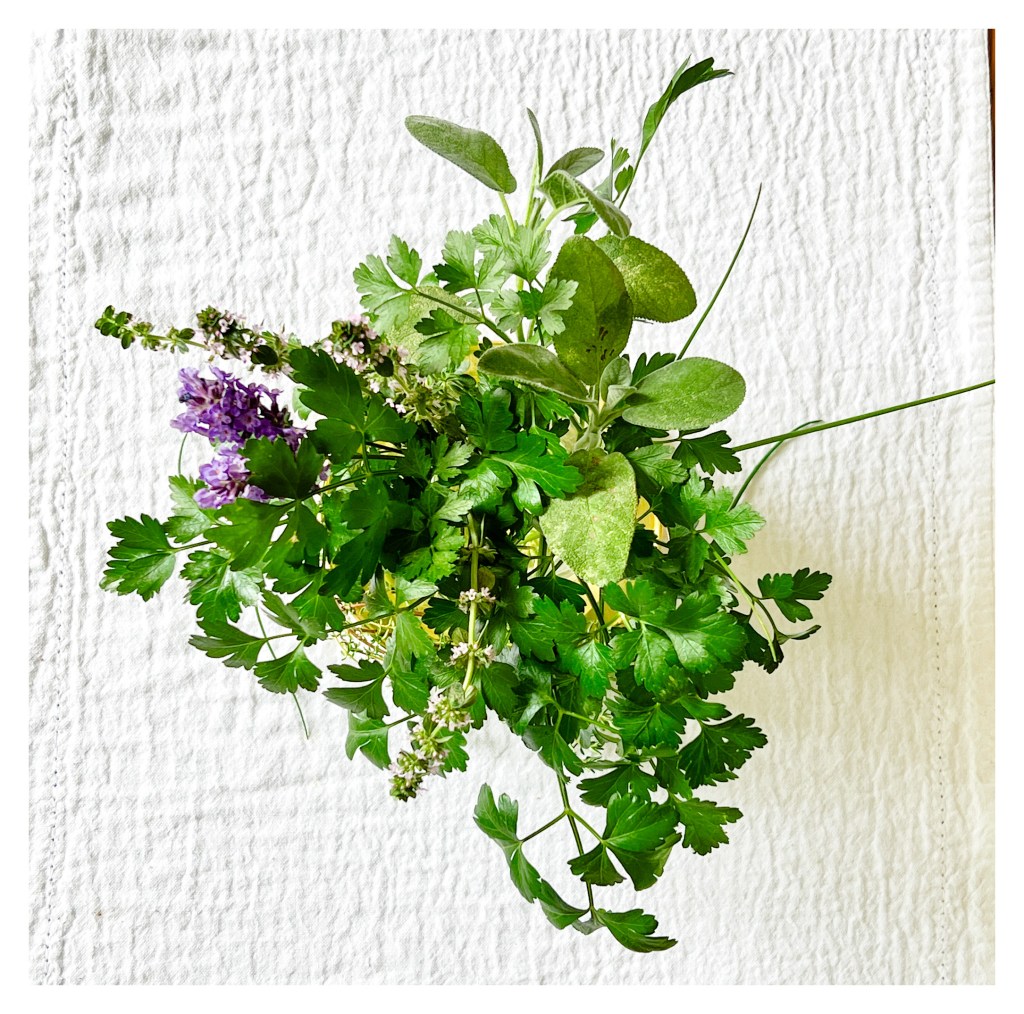
And so, on a balcony just wide enough for a chair and a dream, we begin to build. We choose not to use chemicals. We welcome berry-bearing shrubs in deep pots—lavender and scented Mediterranean herbs, useful in the kitchen too—offering food through the lean months of winter. We let insects live, for they are pollinators and bird-food alike. A tall viburnum becomes more than a plant—it’s a lookout, a resting place, a nursery.
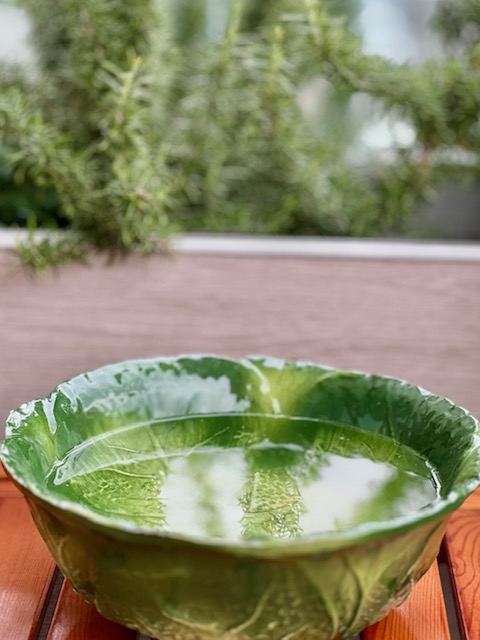
A water bowl catches the light and draws visitors: robins come to drink, wrens to bathe. Aromatic herbs like rosemary, lavender, and thyme hum with bees and butterflies—and lend their fragrance to both soup and summer air.
In winter, a feeder sways near the window. Filled with seeds and soft crumbs, it becomes a café for the neighborhood blackbirds and sparrows. In early spring, we remove it—gently encouraging birds to find their own way, to feed as they were meant to, among the buds and branches.
By summer, the terrace pulses with life. Herbs flower. Butterflies dance among the blossoms. A Buddleja—purple, if you want a crowd—blooms from June to October, visited daily by wings on the wind. Come September, Sedum spectabile and St. John’s Wort keep the season glowing and the pollinators fed.
A birdgarden is not a display—it is a gesture. It’s a recognition of the wild, not as something “out there,” but as something we are part of. Even in a pot, even between concrete walls, we can offer a pause, a perch, a drink, a home.
And just like that, a balcony becomes a thread in the great green web of the world.
 Between the Lines
Leave a comment